
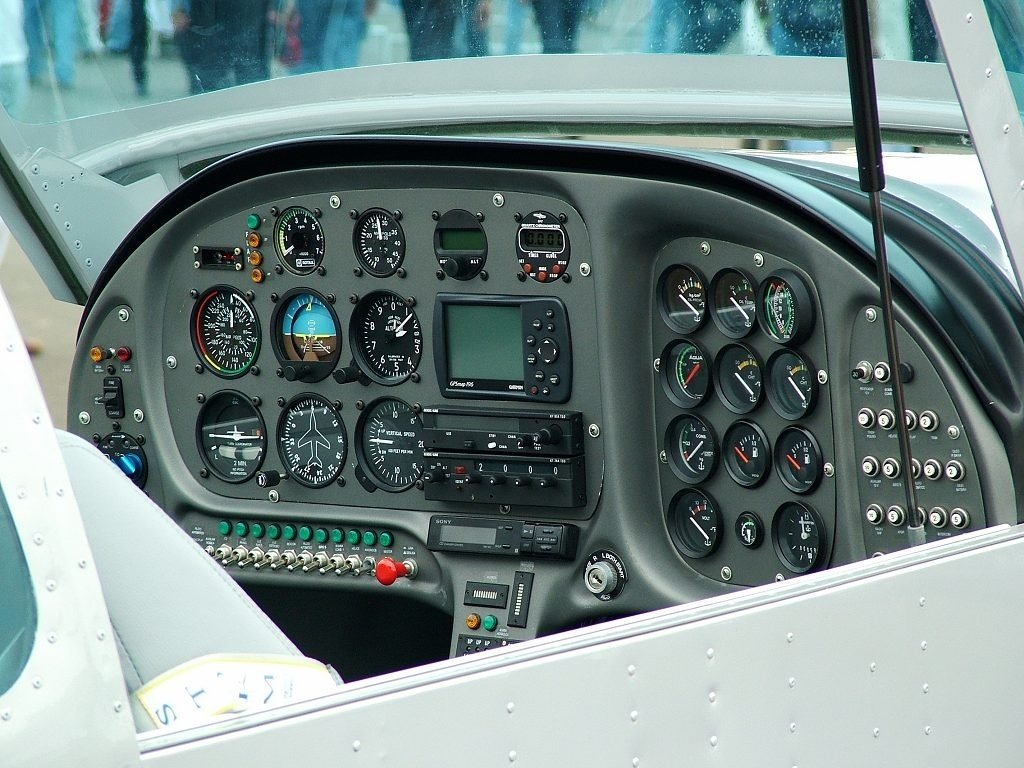
Manufacturing Heritage
Storm Aircraft originated in 1981 when a consortium of French and Italian aeronautical engineers established SG Aviation srl in Sabaudia, Italy. The company initially focused on subcontract manufacturing for major aerospace firms, producing empennage components for the Aermacchi MB-339 military trainer and mechanical assemblies for Martin-Baker ejection seats. This industrial foundation provided the engineering expertise that would later translate into their successful homebuilt aircraft program.
The company underwent significant changes when Avionav, a Tunisian aircraft manufacturer, acquired Storm Aircraft on November 3, 2021. Despite the ownership change, operations continue under the Storm Aircraft banner as part of the expanded StormAircraft Group, maintaining production of both kit and complete aircraft.
Aircraft Development and Models
The Storm family encompasses multiple configurations designed for different market segments. The Storm 300 emerged as the company's primary homebuilt offering, with 20 kits sold and 12 completed aircraft flying by 1998. This two-seat design features a low-wing configuration with retractable landing gear, constructed using aluminum sheet and fiberglass methods.
Expanding their product line, SG Aviation developed the Storm 400 and 500 series, marking a significant departure from their Rotax-powered aircraft. The Storm 400 accommodated two adults and two children with a 160-horsepower Lycoming O-320 engine, while the Storm 500 seated four passengers using a 180-horsepower Lycoming O-360 powerplant. These larger variants gained particular popularity in the United States and Australasia, where numerous examples were imported and constructed under recreational aviation regulations.
The Sea Storm represented the company's venture into amphibious aircraft, featuring a flying boat configuration capable of seating two to four occupants. With a 30.3-foot wingspan and 125-centimeter cabin width, this variant sold 25 kits with 12 completed aircraft by 1998.
Technical Excellence
The Storm 300 demonstrates impressive performance specifications that rival certified aircraft. Powered by a turbocharged Rotax 914 four-stroke engine, the aircraft achieves a maximum speed of 200 mph and cruises at 171 mph. The three-bladed ground-adjustable composite propeller efficiently converts the engine's 115 horsepower into thrust.
With a service ceiling of 12,000 feet and range of 1,650 miles from its 38-gallon fuel capacity, the Storm 300 provides genuine cross-country capability. The aircraft's short-field performance proves equally impressive, requiring only 449 feet for takeoff and 361 feet for landing. At maximum gross weight of 1,155 pounds, the design maintains a healthy climb rate of 1,500 feet per minute.
The Sea Storm's adaptability accommodates engines ranging from 100 to 260 horsepower, though most examples utilize the 115-horsepower Lycoming O-235. This flexibility allows builders to optimize performance based on intended use and budget constraints.
Construction and Builder Experience
Storm aircraft kits require between 350 and 500 hours of construction time, depending on the specific model and builder experience. The combination of aluminum sheet metal and fiberglass construction techniques provides durability while remaining within amateur builder capabilities. The company's extensive documentation and support network has enabled successful completions across diverse international markets.
By February 2014, one Storm 300 achieved registration with the Federal Aviation Administration and another with Transport Canada, demonstrating the design's compliance with international amateur-built regulations. The Sea Storm similarly gained FAA acceptance, though registration numbers have fluctuated as aircraft change hands or undergo modifications.
Global Impact
The Storm series has established a significant presence in the experimental aircraft community, with examples operating across Europe, North America, and Australia. The company's achievement of selling over 1,200 aircraft across 20 countries represents substantial success in the competitive homebuilt market.
The Storm 400 and 500 series particularly resonated with American builders seeking four-seat capability with proven Lycoming powerplants. This acceptance in the world's largest homebuilt aircraft market validated the Italian company's design philosophy and manufacturing quality.
Today, Storm aircraft continue serving recreational pilots worldwide, their proven reliability and performance characteristics maintaining strong resale values in the used aircraft market. The company's transition to Tunisian ownership has preserved this aviation heritage while potentially opening new markets in Africa and the Middle East.