
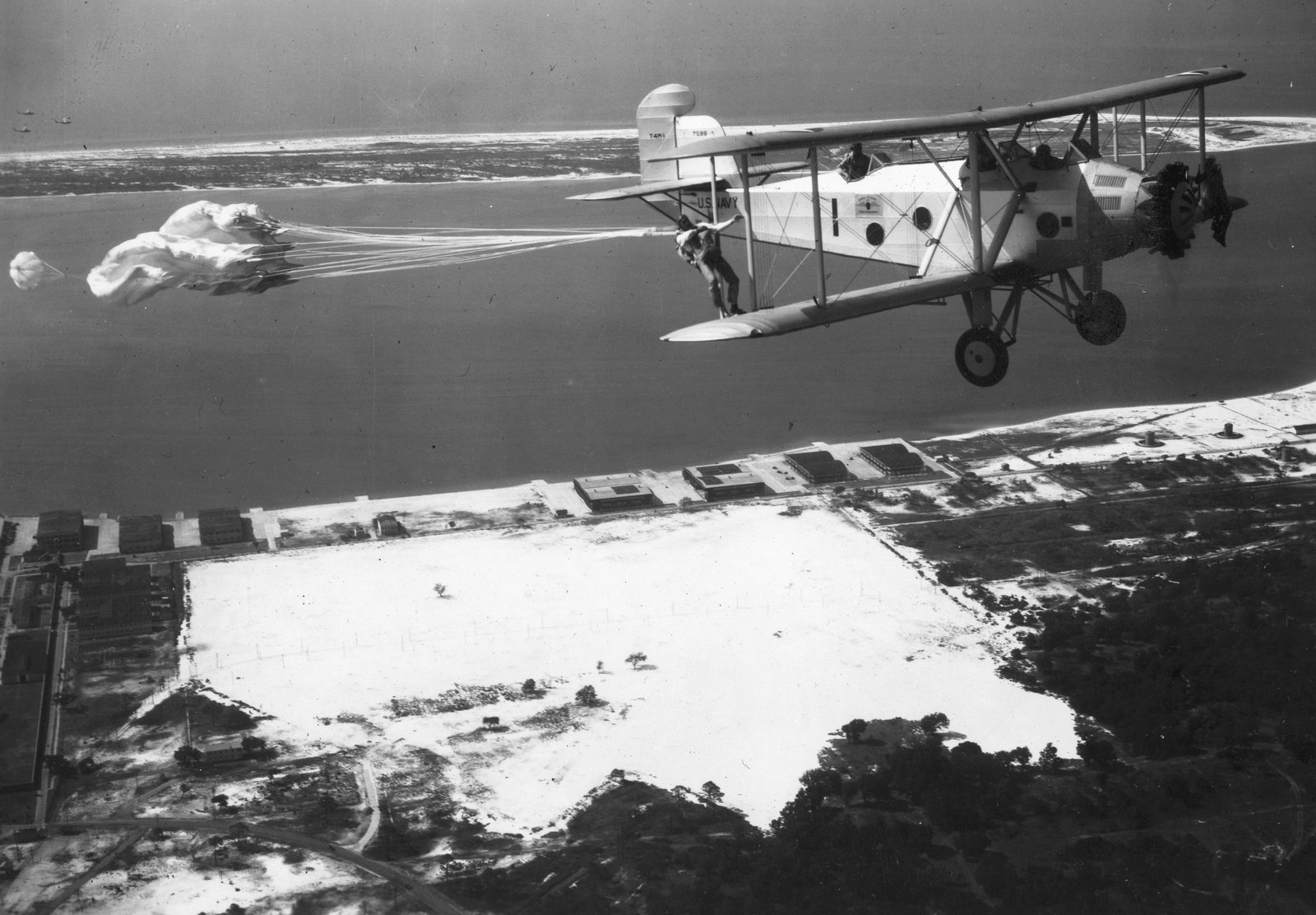
The Martin T4M was a carrier-based torpedo bomber developed by the Glenn L. Martin Company in the late 1920s as an evolution of the earlier Martin T3M. While the T3M was frequently operated as a floatplane, the T4M was designed to leverage the growing versatility of aircraft carriers, utilizing a wheeled undercarriage for deck operations. Deliveries to the U.S. Navy began in August 1928, and the aircraft quickly became the backbone of carrier-based torpedo aviation.
Production of the T4M was split between two entities due to a corporate relocation. The Glenn L. Martin Company initially produced the aircraft in Cleveland, Ohio, but moved its main operations to Baltimore, Maryland, in October 1928. Upon leaving Cleveland, Martin sold the factory and the T4M production jigs to the newly formed Great Lakes Aircraft Company. Consequently, Great Lakes produced the Navy's follow-on TG-series (including the TG-1 and TG-2), which were direct developments of the T4M design. The Great Lakes Aircraft Company remained active from January 2, 1929, until it ceased operations in 1935.
Technically, the T4M-1 was powered by a single 525 hp Pratt & Whitney R-1690 Hornet nine-cylinder air-cooled radial engine. The aircraft featured a crew of three, consisting of a pilot, an observer/bombardier, and a rear gunner. It had a wingspan of 53 feet and a length of 35 feet 7 inches, with a gross weight of 9,503 lb. For offensive capabilities, it could carry either bombs or a single airborne torpedo under the fuselage, while defensive protection was provided by one flexible 0.30 inch machine gun in the rear cockpit. Performance figures included a maximum speed of 114 mph and a service ceiling of 10,150 feet.
In operational service, the T4M and Great Lakes TG variants were deployed aboard the USS Saratoga (CV-3) and USS Lexington (CV-2). A defining moment in its service history occurred in January 1929 during fleet exercises, where T4Ms from the USS Saratoga participated in a mock air attack on the Panama Canal. The operation was deemed a success, with the attacking force judged to have destroyed airfields and canal locks. Admiral William V. Pratt described the exercise as the most effectively executed naval operation in U.S. history. The T4M/TG series remained in front-line service until 1938, when it was finally replaced by the all-metal Douglas TBD Devastator monoplane.