
Design Philosophy and Development
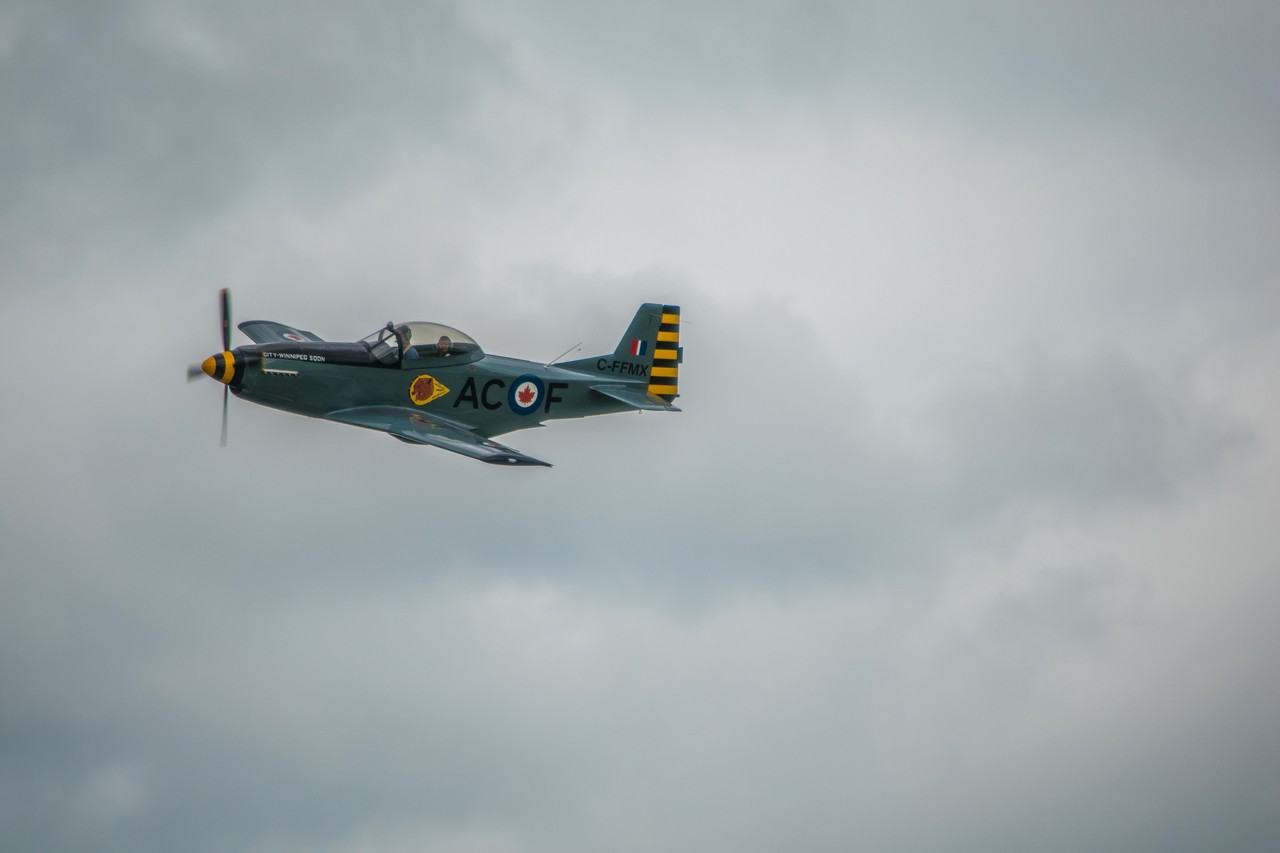
John Williams, owner and chief designer of Titan Aircraft Company, conceived the T-51 Mustang in 2001 with a singular vision: to democratize the warbird flying experience by creating an affordable replica that ordinary pilots could build and maintain. Drawing from his experience with the company's earlier Tornado ultralight, Williams incorporated innovative aluminum-wrapped foam core construction techniques that reduced both weight and cost while maintaining structural integrity. The aircraft achieved its maiden flight in June 2002, followed by Light Sport Aircraft certification in November 2005.
The design philosophy centered on accessibility without compromising the P-51's legendary aesthetics and performance envelope. Williams specified a stall speed of just 39 mph to meet LSA requirements while achieving a maximum speed of 197 mph – remarkable performance for a homebuilt aircraft. Construction time averaged 1,400 to 1,600 hours without jigs, using blind rivets and structural adhesives that simplified assembly for amateur builders.
Engine Options and Performance
The T-51's adaptability to various powerplants became one of its defining characteristics. The most common installation featured the Austrian-built Rotax 912ULS, a 100-horsepower four-cylinder engine with electronic ignition and dual carburetors. This configuration enabled impressive short-field performance with takeoff and landing rolls of just 300 feet, while providing a cruise speed of 150 mph and a service ceiling between 16,000 and 18,000 feet.
For builders seeking additional performance, Williams offered installations of automotive V6 engines, including a 185-horsepower Suzuki H27A and a 245-horsepower Honda V6 variant. By 2006, approximately 15 Honda-powered T-51s were flying, with the highest-time example accumulating 350 hours of reliable operation. These installations required custom Autoflight-modified Suzuki reduction gearboxes and added roughly 100 pounds to the aircraft's empty weight, but delivered significantly enhanced climb performance of 1,200 feet per minute.
To support the automotive engine installations, Williams co-founded Whirl Wind Aviation to manufacture custom four-blade propellers specifically designed for the T-51. These powerplants also featured redundant dual engine computers providing backup ignition for each cylinder – a safety innovation addressing the single-ignition limitation of automotive engines in aviation applications.
Manufacturing and Global Reach
Titan Aircraft Company, established in South Austinburg, Ohio, built upon Williams' earlier success with the Tornado ultralight, which had grown from three sales in its first year to 120 units over the following three years. The company's approach emphasized kit manufacturing rather than completed aircraft sales, allowing builders worldwide to assemble their own T-51s while maintaining quality control through standardized components and comprehensive documentation.
International deliveries included notable examples such as the T-51B Razorback variant delivered to a United Kingdom customer in July 2009, registered as G-MUZY. This aircraft later experienced a notable incident on October 30, 2012, at Wellesbourne Mountford Airfield in Warwickshire, when an exhaust weld failure led to throttle and landing gear malfunctions, resulting in a wheels-up landing that highlighted both the aircraft's structural robustness and the challenges of maintaining homebuilt aircraft.
Operational History and Legacy
The T-51 found its primary role in the recreational aviation market, appealing to pilots seeking an authentic warbird experience at a fraction of the cost of owning an original P-51. Its aerobatic capabilities and striking visual similarity to the original Mustang made it popular at airshows, including appearances at EAA AirVenture in 2009. The aircraft's dual controls and tandem seating arrangement enabled both training applications and shared flying experiences.
Dozens of T-51s entered service worldwide, though exact production numbers remain unavailable. The aircraft gained recognition in aviation publications, including comprehensive reviews in KITPLANES magazine in June 2006 and multiple features in EAA publications between 2002 and 2003. These articles praised the aircraft's construction simplicity and authentic flight characteristics while noting the challenges of forward center-of-gravity management with more powerful engine installations.
Tragic End of an Era
The T-51 program suffered a devastating blow on July 21, 2024, when John Williams was killed in a T-51 crash near Germack Airport in Geneva, Ohio. The accident, attributed to propeller hub failure according to ongoing NTSB investigation reports as of August 2024, claimed the life of the aircraft's visionary designer at age 68. The incident underscored both the inherent risks of experimental aviation and the personal dedication of designers like Williams who continued flying their creations throughout their careers.
The T-51 Mustang represents a significant achievement in making high-performance replica aircraft accessible to homebuilders. By combining innovative construction techniques with flexible engine options and maintaining the visual appeal of its legendary inspiration, Williams created an aircraft that successfully bridged the gap between affordable sport flying and warbird nostalgia, influencing subsequent kitplane designs and inspiring a new generation of builders to pursue their aviation dreams.