
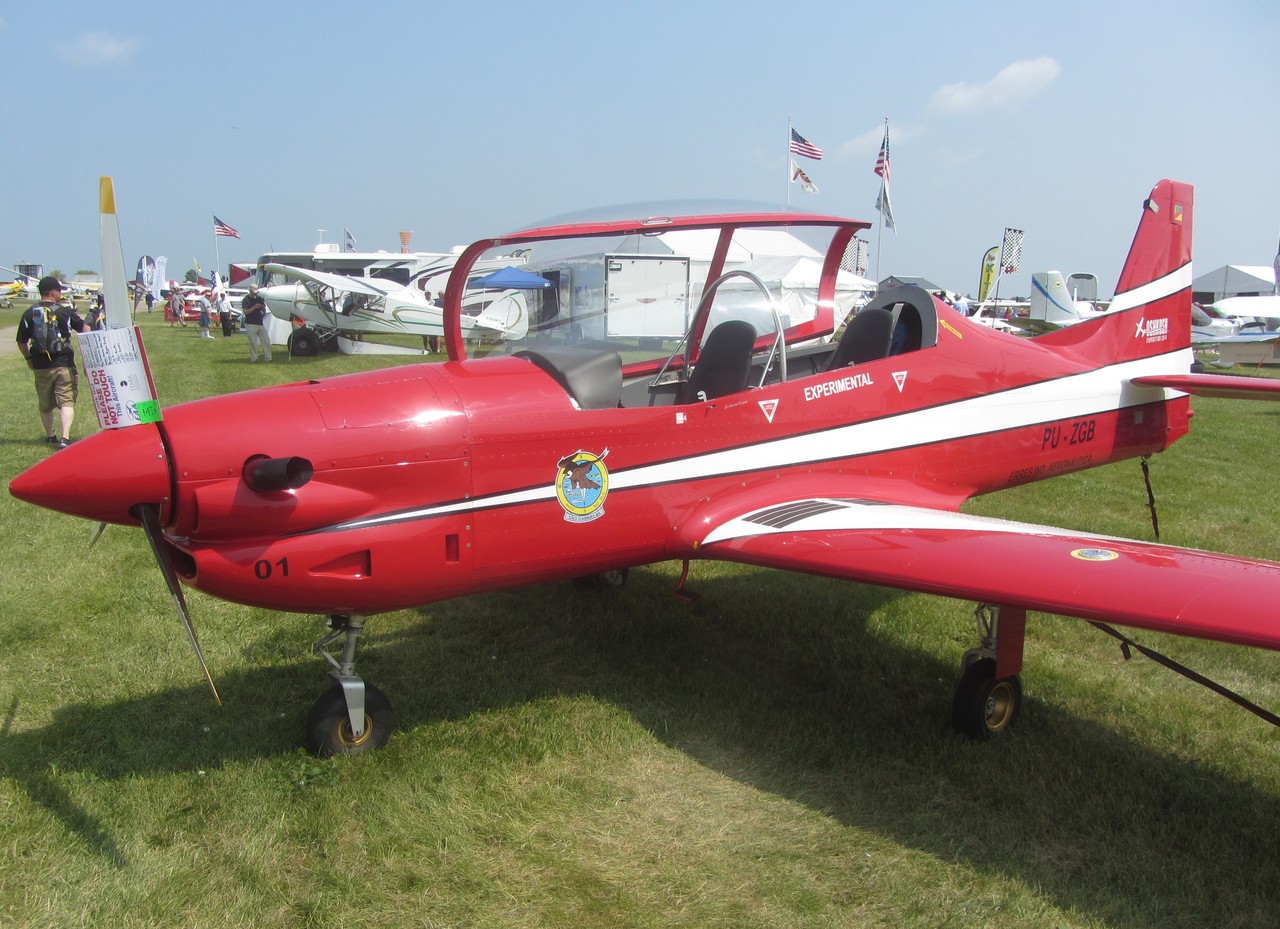
The Mystery Aircraft
The Valter E Della Nebbia TUCANO REPLICA stands as one of aviation's more enigmatic entries, with virtually no comprehensive documentation surviving in public aviation records. Unlike well-documented replica projects that have gained recognition in experimental aircraft circles, this particular aircraft exists primarily as an ICAO designation without the typical supporting historical framework that characterizes most aircraft types.
Connection to Texas Aviation
The name Valter Della Nebbia appears in connection with aviation activities in Archer City, Texas, where records indicate involvement in developing Pegasus Flight School at a remodeled airstrip during the early 1980s. This Texas connection provides the only substantive link between the individual and aviation operations, though specific details about aircraft construction or replica projects remain undocumented in available sources.
The Tucano Connection
The aircraft's designation as a "TUCANO REPLICA" suggests an attempt to recreate or emulate the successful Brazilian Embraer EMB-312 Tucano, which first flew in 1980 and became a widely-exported military trainer. The original Tucano featured a single Pratt & Whitney Canada PT6A turboprop engine and served air forces in over a dozen countries. More than 600 Tucanos were produced between 1983 and 1997, making it one of Brazil's most successful aircraft exports.
Documentation Challenges
Unlike established experimental aircraft or replica projects that maintain detailed build logs, performance specifications, and construction photographs, the Della Nebbia TUCANO REPLICA lacks these typical documentation elements. No production numbers, manufacturing locations, or technical specifications appear in conventional aviation databases. The assigned ICAO code TUCR does not correspond to recognized aircraft types in standard aviation reference materials.
Experimental Aviation Context
The 1980s witnessed significant growth in experimental aircraft construction and replica projects throughout the United States. Builders during this period often created replicas of famous military trainers and fighters, with varying degrees of historical accuracy and technical sophistication. Projects ranged from highly detailed museum-quality reproductions to simplified interpretations suitable for sport flying.
Limited Historical Footprint
The absence of comprehensive records distinguishes this project from other replica aircraft that have gained recognition in aviation communities. Successful replica projects typically generate documentation through experimental aircraft associations, aviation magazines, airshow appearances, or museum displays. The Della Nebbia project appears to have avoided these conventional channels of aviation documentation.
Research Limitations
Available sources provide insufficient detail to establish basic facts about the aircraft's development timeline, construction methods, or operational history. Standard aviation research channels, including manufacturer records, certification documents, and experimental aircraft databases, contain no substantial entries for this particular project. This documentation gap suggests either extremely limited production or private construction that remained outside conventional aviation reporting structures.
Contemporary Aviation Environment
During the period when Della Nebbia was active in Texas aviation, the state hosted numerous experimental aircraft projects and small aviation enterprises. Texas provided favorable conditions for aviation experimentation, including suitable weather, available airstrip facilities, and a supportive regulatory environment for experimental aircraft operations.
Legacy Questions
The current status of any aircraft constructed under this designation remains unknown. No museums report examples in their collections, and no airworthy examples appear in current aircraft registries under the TUCANO REPLICA designation. This absence from contemporary aviation records suggests either limited construction or aircraft that no longer exist in recognizable form.