
Development and Design
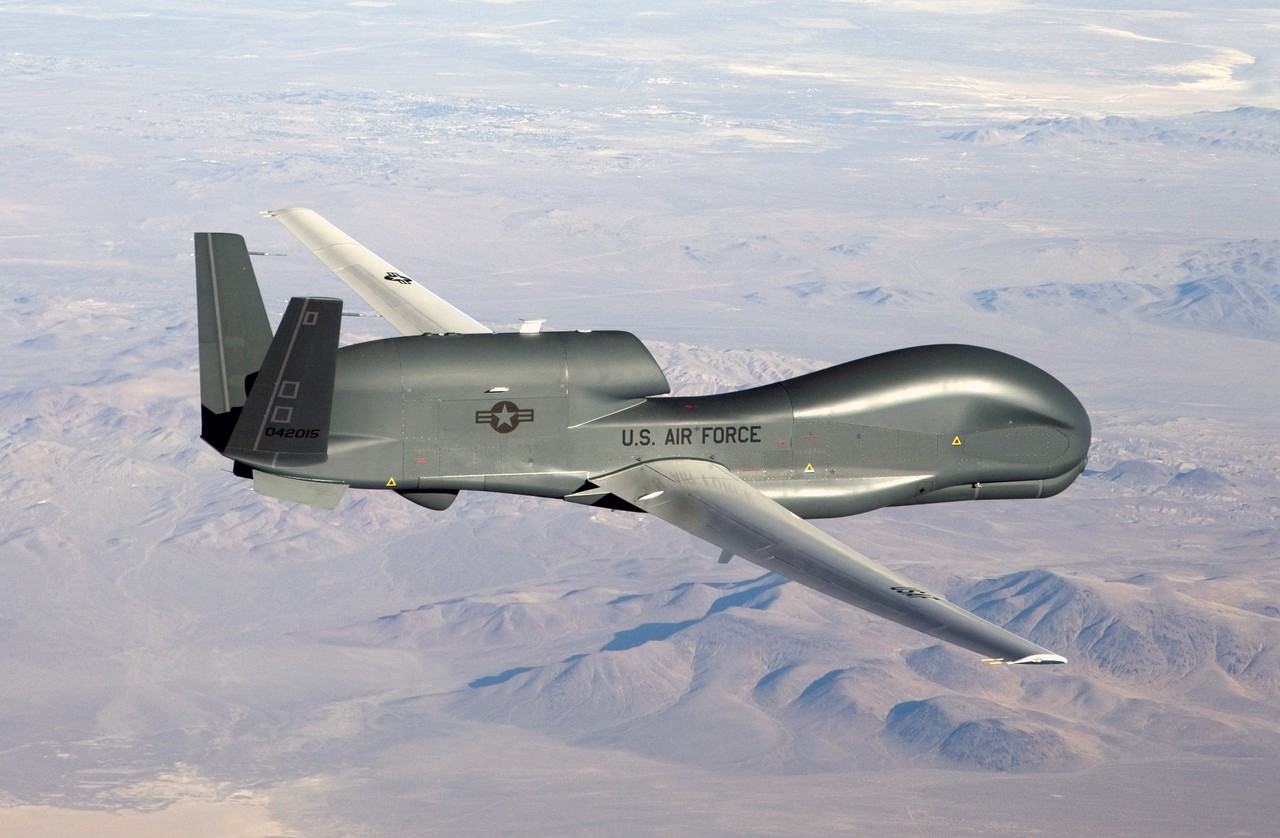
The EuroHawk RQ-4B emerged from NATO's growing need for European-compatible surveillance capabilities in the early 2000s. Built upon Northrop Grumman's proven Global Hawk platform, the EuroHawk incorporated specialized modifications to meet European aviation standards and interoperability requirements. The aircraft featured European-standard communication systems, navigation equipment compatible with European air traffic control, and sensor packages tailored for continental surveillance missions.
The basic airframe retained the Global Hawk's distinctive high-aspect-ratio wings and V-tail configuration, optimized for sustained high-altitude flight. At 44 feet in length with its remarkable 130-foot wingspan, the EuroHawk achieved exceptional fuel efficiency during extended surveillance missions. The aircraft's composite construction and aerodynamic design enabled it to maintain station at altitudes where commercial aircraft could not operate.
Technical Specifications
Powered by a single Rolls-Royce AE 3007H turbofan engine producing 7,050 pounds of thrust, the EuroHawk achieved cruise speeds of approximately 350 knots at operational altitudes. The aircraft's service ceiling exceeded 60,000 feet, placing it well above commercial air traffic and most weather systems. With an operational range extending beyond 12,000 nautical miles, the EuroHawk could conduct surveillance missions lasting more than 30 hours without refueling.
The aircraft's sensor suite represented the pinnacle of European surveillance technology, featuring synthetic aperture radar, electro-optical cameras, and infrared imaging systems. These sensors provided real-time intelligence gathering capabilities across vast geographic areas, making the EuroHawk invaluable for border security, maritime surveillance, and reconnaissance missions.
Northrop Grumman Corporation
Northrop Grumman Corporation, formed through the merger of Northrop Corporation and Grumman Aerospace in 1994, became one of America's premier defense contractors specializing in advanced aircraft systems. The company's expertise in unmanned systems traced back to early drone development programs in the 1960s. Through strategic acquisitions, including the purchase of TRW in 2002, Northrop Grumman expanded its capabilities in advanced sensors and space systems.
The Global Hawk program represented Northrop Grumman's successful transition from traditional manned aircraft to sophisticated unmanned systems. The company's other notable aircraft include the B-2 Spirit stealth bomber, the F-14 Tomcat fighter, and various naval aircraft developed during Grumman's independent years.
Operational Challenges
Despite its advanced capabilities, the EuroHawk program faced significant regulatory and operational hurdles. European aviation authorities required extensive modifications to meet civilian airspace integration standards, particularly regarding sense-and-avoid systems for unmanned aircraft operations. These requirements proved more stringent than initially anticipated, leading to substantial development costs and program delays.
The aircraft's large size and unique flight characteristics presented challenges for European air traffic control systems not originally designed to accommodate such specialized unmanned platforms. Integration with existing NATO command and control systems required additional modifications to communication protocols and data-sharing capabilities.
Program Outcome
The EuroHawk program ultimately demonstrated both the potential and limitations of adapting American unmanned systems for European operations. While the aircraft successfully validated many advanced surveillance technologies, regulatory compliance costs and integration challenges affected program viability. The experience provided valuable lessons for future trans-Atlantic cooperation on unmanned aerial systems.
The program's technical achievements contributed to broader developments in unmanned aircraft certification standards and international airspace integration procedures. These advances benefited subsequent unmanned aerial vehicle programs on both sides of the Atlantic.
Legacy and Impact
The EuroHawk RQ-4B program influenced European approaches to unmanned aerial system development and international defense cooperation. Its advanced sensor technologies and high-altitude capabilities demonstrated the potential for persistent surveillance over continental areas. The program's experiences with regulatory compliance helped establish frameworks for future unmanned aircraft certification in European airspace.
Today, the EuroHawk's technological contributions continue to influence unmanned aircraft development, particularly in areas of sensor integration, high-altitude operations, and international airspace compatibility standards.