
Design Revolution
The Kitfox Vixen emerged from a complete redesign effort that began when SkyStar Aircraft Corporation acquired the Kitfox rights from original designer Dan Denney in June 1992. Under Phil Reed's direction, SkyStar immediately commenced work on an entirely new aircraft that would address the growing demand for a larger Kitfox capable of utilizing contemporary certified engines. Despite appearing similar to the earlier Classic 4 model, the Series 5 was engineered from the ground up as a completely new design.
The aircraft incorporated several key innovations that distinguished it from its predecessors. Most significantly, the Series 5 could accept certified Continental and Lycoming engines in addition to the traditional Rotax powerplants that had defined earlier Kitfox models. This capability required increasing the original gross weight from 1,400 pounds to 1,550 pounds in mid-1995, accommodating the heavier certified engines while maintaining the aircraft's renowned short takeoff and landing performance.
The Vixen Configuration
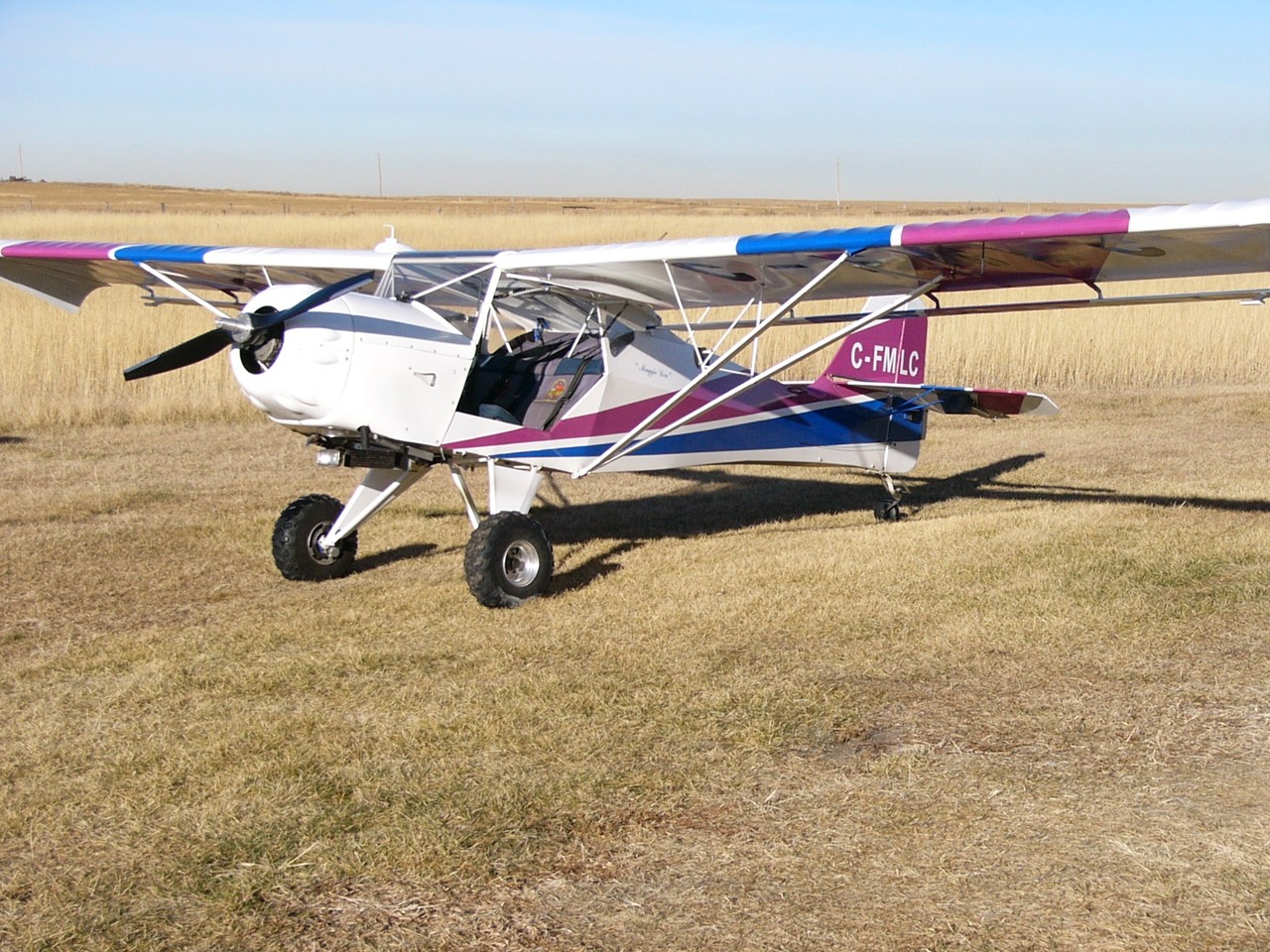
SkyStar marketed the Series 5 under different names based on landing gear configuration, with the Vixen designation reserved for the tricycle-gear version featuring a swept tail. This cosmetic tail modification did not affect performance but gave the Vixen a more contemporary appearance compared to its tailwheel sibling, initially called the Safari and later renamed the Outback in 1998. The tricycle configuration appealed to pilots transitioning from certified aircraft who preferred nosewheel handling characteristics.
The Vixen retained the folding wing feature that had become synonymous with the Kitfox brand, allowing owners to store the aircraft in standard automobile garages and trailer it on public roads. This practical consideration significantly expanded the aircraft's appeal to recreational pilots lacking access to traditional hangar facilities.
Market Dominance
The Series 5, including the Vixen variant, became one of the most successful introductions in kit aircraft history. The design's ability to bridge the gap between ultralight Rotax-powered models and larger aircraft using certified engines made it accessible to a broader range of builders and pilots. The aircraft offered handling characteristics much more like those of contemporary certified aircraft while retaining the agility that had made earlier Kitfox models famous.
By the time SkyStar ceased operations in 2005, the broader Kitfox family had achieved remarkable market penetration. More than 4,500 Kitfox kits had been delivered across all models since Dan Denney's original 1984 introduction, with aircraft distributed throughout the United States, Canada, and over 42 foreign countries. The Series 5's success contributed significantly to these numbers during its production run through the 1990s and 2000s.
The Original Vision
Dan Denney had founded Denney Aerocraft in Boise, Idaho, producing the first Kitfox kit in November 1984. Operating from a small factory in Boise, the company delivered six Model 1 Kitfoxes that inaugural year. Denney's original vision focused on creating an affordable, capable aircraft that ordinary pilots could build and fly, emphasizing short field performance and bush flying capabilities.
When SkyStar acquired the design rights, they preserved these core characteristics while expanding the aircraft's capabilities. The Series 5 maintained the sport flying and bush operations focus that had defined the Kitfox lineage, with STOL performance remaining a key selling point for pilots operating from short and unimproved airfields.
Corporate Transitions
SkyStar Aircraft Corporation underwent significant changes during the Vixen's production years. In January 2000, an employee group acquired the company, beginning a new chapter in Kitfox development. However, SkyStar ultimately went out of business in 2005, ending the Vixen's production run.
The Kitfox design legacy continued under new ownership as Kitfox Aircraft LLC, operated by John McBean, though subsequent models evolved beyond the original Series 5 configuration. The design has progressed through multiple iterations, including Series 6 and 7 variants, while maintaining the folding wing feature and sport flying focus that characterized the Vixen.
Lasting Impact
More than 5,000 Kitfox aircraft of all models remain flying today, testament to the design's durability and continued relevance in general aviation. The Vixen's contribution to this fleet represents a crucial evolutionary step that demonstrated how kit aircraft could successfully incorporate certified engine technology while maintaining the affordability and buildability that defined the homebuilt movement.
The tricycle-gear configuration pioneered by the Vixen influenced subsequent Kitfox designs and competing kit aircraft manufacturers, proving that homebuilt aircraft could offer handling characteristics comparable to certified aircraft without sacrificing the performance advantages that made them attractive to recreational pilots.