
Design Philosophy and Innovation
Volmer Jensen approached the VJ-22 Sportsman with clear objectives: create an affordable amphibian that ordinary builders could construct for personal recreation, including diving excursions and island-hopping adventures. Initially called the Chubasco, the design began in 1957 with Jensen leveraging his sailplane expertise to develop what would become his first amphibious aircraft.
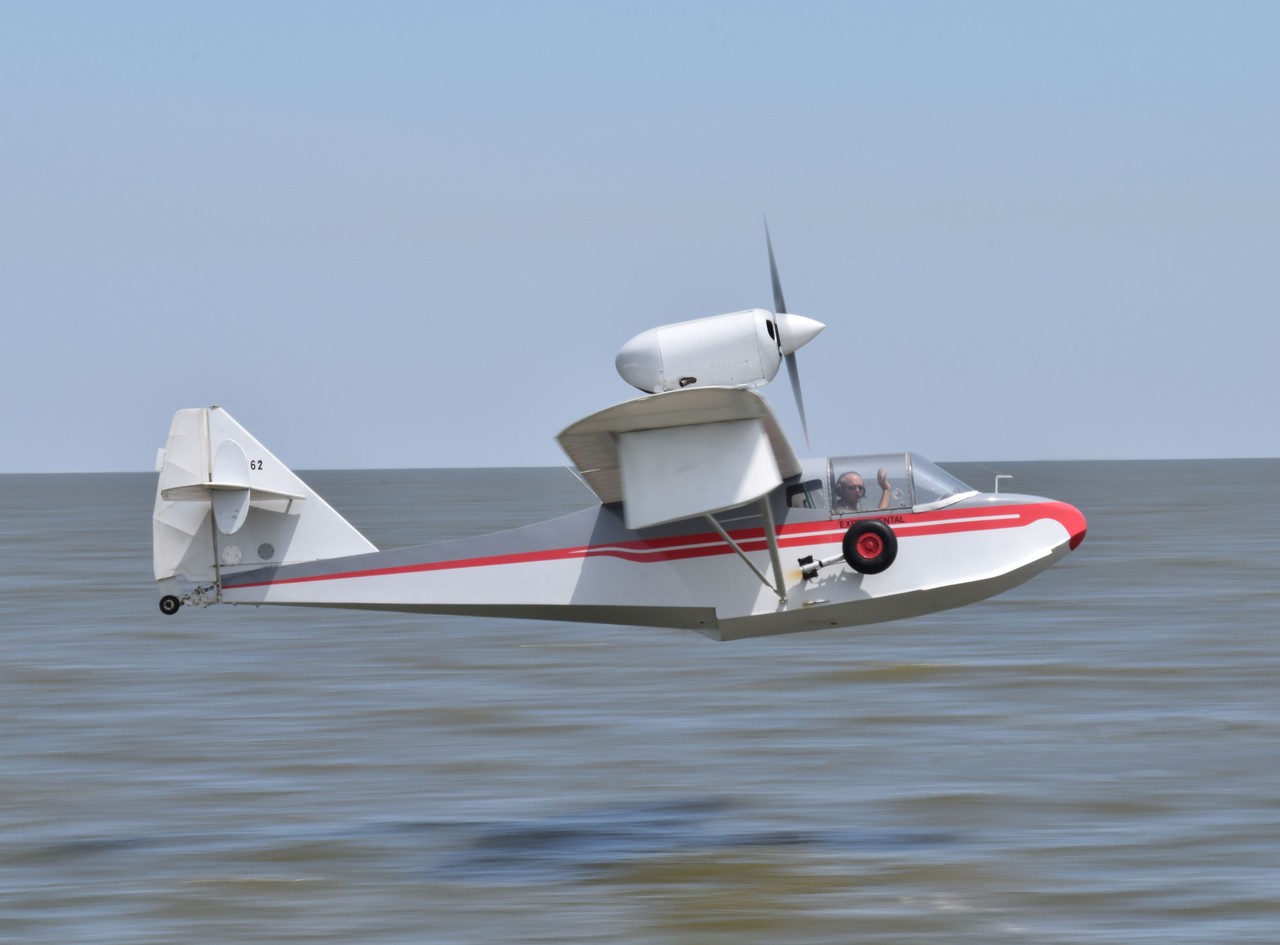
The VJ-22's innovative features distinguished it from contemporary designs. Jensen positioned the engine in pusher configuration, typically mounted on pylons above the wing center section, which kept the propeller clear of spray during water operations. The main landing gear retracted by swinging forward 90 degrees using rubber bungee shock absorption, while a water rudder provided directional control during marine operations. The enclosed canopy housed dual controls, making the aircraft suitable for instruction.
Construction and Materials
Jensen specified a wooden-box fuselage constructed from mahogany plywood, waterproofed with fiberglass for marine durability. The high-wing configuration utilized wings adapted from Aeronca Champion or Chief aircraft, though builders in regions like Australia fabricated custom wings when original components proved unavailable. This adaptability became a hallmark of the design, with builders modifying specifications to suit local conditions and parts availability.
The prototype's successful first flight on December 22, 1958, validated Jensen's approach. The aircraft demonstrated that amateur builders could achieve professional results using traditional wood-and-fabric construction techniques, proving amphibious capability didn't require complex manufacturing processes.
Engine Options and Performance
The VJ-22 accommodated various powerplants ranging from 85 to 135 horsepower. Popular choices included the Continental C85 producing 90 horsepower, the Continental O-200 delivering 100 horsepower, and the Franklin Sport 4 generating 130 horsepower. Modern builders have adapted automotive Corvair engines, demonstrating the design's flexibility.
With typical 85-90 horsepower installations, the VJ-22 achieved maximum speeds of 95 mph and cruising speeds between 80-85 mph. The aircraft's 600-foot-per-minute climb rate and 13,000-foot service ceiling provided respectable performance for recreational operations. Range varied from 300 to 377 miles depending on fuel capacity and engine selection.
Global Construction Program
Volmer Aircraft's decision to market plans rather than completed aircraft proved remarkably successful. By 1993, the company had sold 889 sets worldwide, with builders completing over 100 aircraft across multiple continents. Construction occurred in the United States, Australia, New Zealand, and other nations, with individual builders adapting the design to local regulations and materials.
Notable examples include VH-TUB (construction number V38) registered in Australia in March 1979, and ZK-EDB (construction number AACA/151-1) completed in New Zealand in October 1974. Construction typically required nearly three years, reflecting the aircraft's complexity and the dedication of amateur builders.
The Manufacturer's Legacy
Volmer Aircraft operated from Burbank, California, with Jensen's design and marketing activities spanning from the late 1950s through the 1990s. While the original company ceased operations, the Volmer Club of America, established as a 501(c)4 organization by Robert Albrecht of Louisiana, continues making plans and specifications available to modern builders.
This transition ensured the VJ-22's continued availability despite the original manufacturer's closure, reflecting the enduring appeal of Jensen's design philosophy.
Operational History and Current Status
The VJ-22 served exclusively in private hands, with no military or commercial applications. Owners used their aircraft for recreational flying, accessing remote waterways, and supporting diving operations. The type's amphibious capability opened destinations unavailable to conventional aircraft, making it popular among adventurous pilots.
Several examples remain airworthy as of 2020, including VH-DYP registered in Queensland, Australia. New Zealand maintains multiple active examples, with ZK-EDB and ZK-FGL current as of 2015. The Australian Aviation Museum in Bankstown, New South Wales, displayed VH-AQO before transferring it to the Wanaka museum in New Zealand.
Technical Impact
The VJ-22 demonstrated that amphibious aircraft construction remained viable for amateur builders in the post-World War II era. Jensen's wooden construction techniques, combined with modern materials like fiberglass waterproofing, created a durable platform suitable for marine operations. The aircraft's success influenced subsequent homebuilt amphibian designs and proved market demand for accessible seaplane construction.
The type's 24-foot length, 36-foot 6-inch wingspan, and 8-foot height created manageable dimensions for private hangars, while the 1,500-pound maximum takeoff weight kept licensing requirements reasonable for recreational pilots. These proportions, combined with proven reliability, established the VJ-22 as a benchmark for homebuilt amphibian design.