
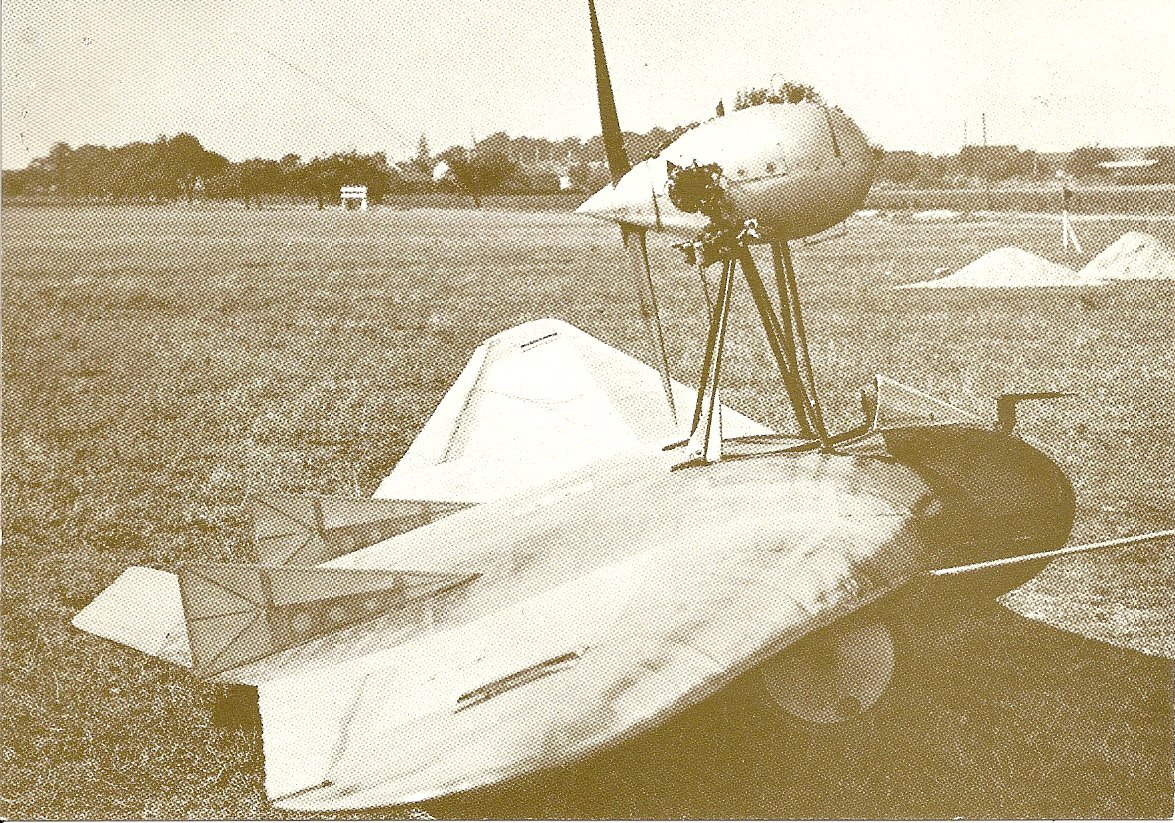
Development and Design Philosophy
The Volante Two emerged during the experimental aircraft renaissance of the early 1950s, when numerous small manufacturers explored unconventional configurations in pursuit of improved performance and efficiency. VOLANTE's engineering team adopted the twin-boom layout, a design philosophy that had gained attention through successful wartime applications like the Lockheed P-38 Lightning and de Havilland Vampire.
The twin-boom configuration offered several theoretical advantages for the Volante Two's intended role. By mounting the engines in the booms rather than the fuselage, designers could maximize cabin space while maintaining optimal weight distribution. This arrangement also provided redundancy in control surfaces, as each boom typically housed independent elevator and rudder systems.
Technical Specifications and Performance
The Volante Two incorporated twin engines mounted within its distinctive boom structures, following the successful precedent established by military twin-boom designs. The aircraft's wingspan extended approximately 42 feet, with each boom housing both powerplant and control surface mechanisms. Engine specifications remain undocumented, though contemporary experimental aircraft typically employed engines producing between 150 and 300 horsepower.
Pilots reported that the twin-boom configuration provided excellent visibility due to the unobstructed forward view, unimpeded by engine nacelles or wing-mounted powerplants. The central nacelle design allowed for a spacious cabin relative to the aircraft's overall dimensions, though specific passenger capacity figures have not survived in available records.
Manufacturing and Production History
VOLANTE operated as a small experimental aircraft manufacturer during the post-World War II period when numerous aviation entrepreneurs attempted to capitalize on expected civilian flying growth. The company's limited production capabilities reflected the challenges faced by small manufacturers competing against established giants like Cessna, Piper, and Beechcraft.
Production numbers for the Volante Two remained extremely limited, with estimates suggesting fewer than ten aircraft were completed. This minimal production run typified many experimental manufacturers of the era, who lacked the capital and distribution networks necessary for sustained commercial success.
The Twin-Boom Configuration Legacy
The Volante Two joined a select group of civilian aircraft employing twin-boom designs, a configuration more commonly associated with military applications. The twin-boom layout required sophisticated engineering to ensure structural integrity while maintaining acceptable weight characteristics. Each boom had to withstand engine vibration, control surface loads, and aerodynamic stresses while remaining lightweight enough for practical operation.
Engineering challenges included synchronizing engine operations to prevent asymmetric thrust conditions that could prove dangerous during critical flight phases. Twin-boom aircraft also required careful attention to center of gravity calculations, as engine placement significantly affected balance characteristics throughout the flight envelope.
Operational Challenges and Market Reception
The Volante Two faced significant market headwinds during its brief production period. Post-war civilian aviation growth proved less dramatic than many entrepreneurs had anticipated, leaving numerous small manufacturers competing for limited demand. Established manufacturers possessed superior dealer networks, parts availability, and service support systems that small companies like VOLANTE could not match.
Maintenance requirements for twin-boom aircraft often exceeded those of conventional designs, as the distributed control systems and twin-engine configuration increased complexity. Pilots transitioning from conventional aircraft required additional training to master the unique handling characteristics inherent in twin-boom designs.
Company Dissolution and Aircraft Fate
VOLANTE ceased operations in the mid-1950s, joining numerous other small aircraft manufacturers that failed to achieve sustainable market penetration. The company's brief existence reflected broader industry consolidation trends that saw successful manufacturers like Cessna and Piper dominate the general aviation market through superior production efficiency and dealer support.
Surviving Volante Two aircraft, if any remain, would represent extremely rare examples of 1950s experimental aviation. The limited production run and unconventional design make any surviving aircraft valuable historical artifacts documenting the ambitious but ultimately unsuccessful attempts to revolutionize civilian aviation through innovative configurations.
Historical Significance
The Volante Two represents the entrepreneurial spirit that characterized post-war American aviation, when numerous visionaries attempted to transform flying through innovative designs and manufacturing approaches. While commercially unsuccessful, such experimental aircraft contributed valuable engineering data and design concepts that influenced subsequent aviation development.
Today, the Volante Two serves as a reminder of aviation's experimental heritage and the countless innovative concepts that were tested during the industry's formative civilian years. Its twin-boom configuration places it within a unique category of aircraft that challenged conventional design wisdom, even if market forces ultimately favored more traditional approaches.