
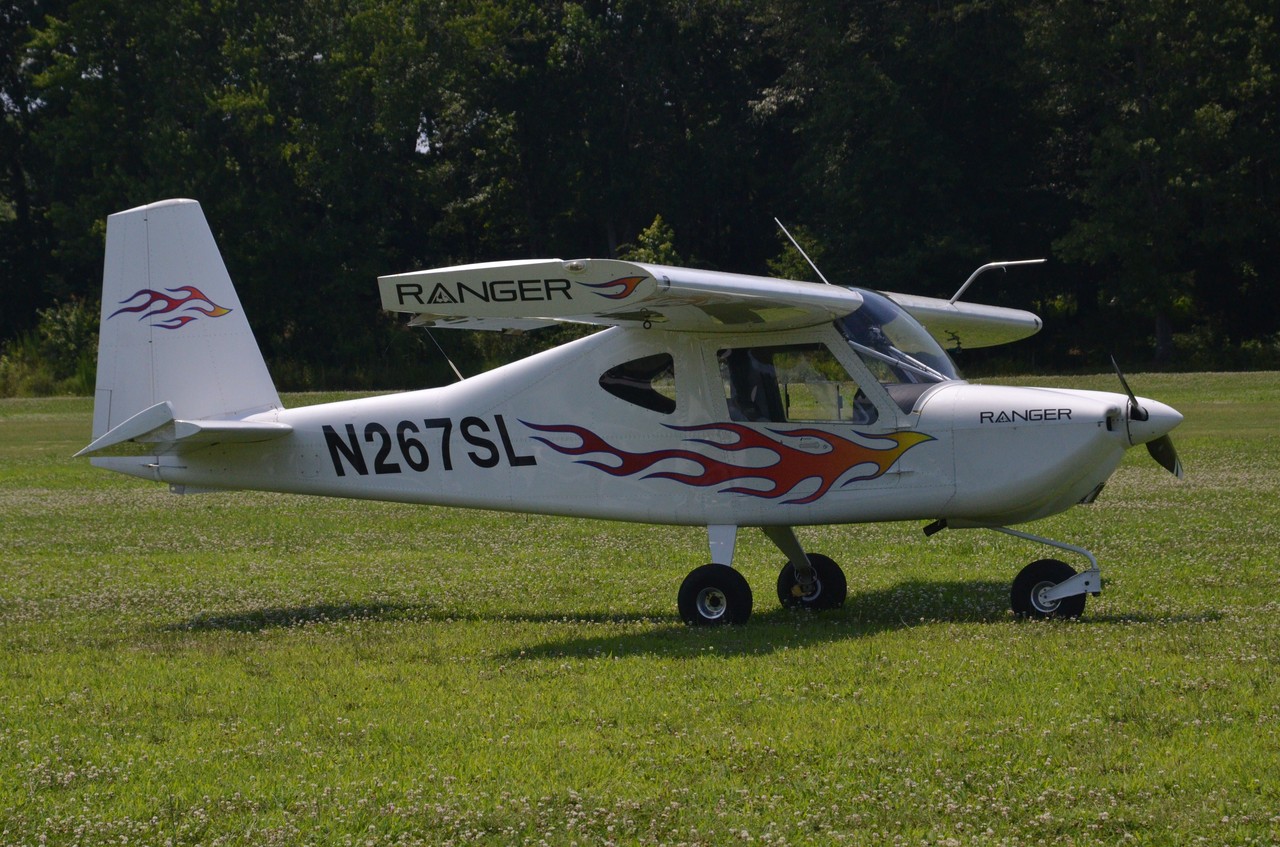
Design Philosophy and Development
The Ranger R7 emerged from a specific market need identified by Vashon Aircraft founder John Torode in the early 2010s. Torode, who also founded Dynon Avionics, recognized that flight training operators faced a difficult choice between worn-out older certificated aircraft and expensive modern Light Sport Aircraft that often proved too delicate for intensive training use. The solution came through aeronautical engineer Ken Krueger, who spent approximately five years developing an aircraft specifically engineered for rugged training operations and backcountry capability.
The aircraft made its public debut in July 2018 at EAA AirVenture in Oshkosh, where Vashon displayed two flying prototypes while four additional aircraft awaited delivery from their assembly line. This introduction marked the culmination of Vashon's goal to create what they termed a "learner-pilot friendly" aircraft capable of operating from unimproved airstrips.
Manufacturing Innovation
Vashon Aircraft established manufacturing operations near Seattle, Washington, with final assembly occurring at their Paine Field facility adjacent to Boeing's wide-body aircraft plant. The company pursued an unusual degree of vertical integration for a small aircraft manufacturer, producing the majority of their own components to reduce supply chain dependencies and manufacturing costs.
One of the Ranger's most distinctive manufacturing innovations involves its use of pre-painted aluminum panels, making it among the first small aircraft to employ this technique extensively. This process eliminates traditional post-assembly painting, reducing manufacturing time, cost, and aircraft weight. All aircraft begin with white panels, with customers able to specify vinyl wraps for customization. The company invested heavily in manufacturing tooling and systems to support efficient production while maintaining quality standards.
Engine Selection and Maintenance Philosophy
The decision to power the Ranger R7 with the Continental O-200-D engine reflected Vashon's commitment to widespread serviceability rather than maximum performance. While many competing Light Sport Aircraft utilize Rotax powerplants, Vashon deliberately chose the heavier Continental engine based on its 70-year service history and universal parts availability across the United States.
Torode explained this philosophy succinctly: the design objective ensured that "if it has to land in Podunk, USA, any A&P can pull up in a pickup truck and fix everything on the aircraft." The Continental O-200-D, manufactured in Mobile, Alabama, weighs 60 pounds more than comparable Rotax engines, but customers consistently accept this penalty in exchange for familiar technology and reliable field support, particularly in western regions where Rotax service remains limited.
Operational Characteristics
The Ranger R7 delivers performance specifications optimized for training and recreational flying rather than maximum speed. With a maximum cruise speed of 117 knots and top speed of 119 knots, the aircraft prioritizes stability and forgiving handling over raw performance. The aircraft achieves a maximum range of 501 nautical miles with its 25.5-gallon main fuel capacity plus 2.5-gallon reserve tank.
Operational capabilities include a takeoff distance of just 475 feet and a useful load between 445-475 pounds, depending on equipment configuration. The aircraft features carbon fiber landing gear legs similar to those used in Cirrus aircraft, providing strength and flexibility for rough-field operations. Full-size 600-6 tires further enhance the aircraft's suitability for unimproved strips.
Avionics Integration
Vashon leveraged Torode's Dynon Avionics expertise to create an integrated avionics package standard across all Ranger variants. The base Yellowstone model includes a complete Dynon SkyView panel with two-axis autopilot and 2020-compliant ADS-B capabilities. The electrical system utilizes Dynon's Advanced Control Module with EFIS-controlled electronic circuit breakers, representing a modern approach to aircraft systems management.
Standard equipment includes electric flaps and trim, LED position and taxi lights, and what the company claims is one of the most spacious cockpits in the Light Sport category. Both seats fold forward 90 degrees, transforming the cabin into a camping configuration for backcountry operations.
Service Record and Current Operations
Since entering service, the Ranger R7 has found acceptance among both private owners and flight training organizations across the United States, with deliveries spanning from Florida to California. Flight schools have particularly embraced the type for its durability under intensive training use. In The Pattern, a Texas-based flight school, has operated two Rangers for approximately three years, accumulating around 400 hours annually per airframe across private pilot, commercial, and light sport instruction programs.
The aircraft underwent extensive destructive testing during development, leading to design improvements particularly in the main landing gear attachment structure. This testing program validated the aircraft's suitability for the demanding training environment while maintaining the structural integrity required for long-term operations.
American Manufacturing Heritage
The Ranger R7 represents a fully American manufacturing effort, with major components sourced domestically. Vashon Aircraft assembles the airframes in Washington state using domestically-produced aluminum, Dynon manufactures the avionics in Woodinville, Washington, and Continental produces the engines in Mobile, Alabama. This supply chain approach supports Vashon's maintenance philosophy while contributing to American aerospace manufacturing capabilities.
With a base price of $99,500 for the Yellowstone configuration, the Ranger R7 occupies a unique position in the Light Sport Aircraft market, offering modern systems and construction quality while maintaining the serviceability and operational characteristics demanded by training operators and recreational pilots seeking reliable, long-term aircraft ownership.