
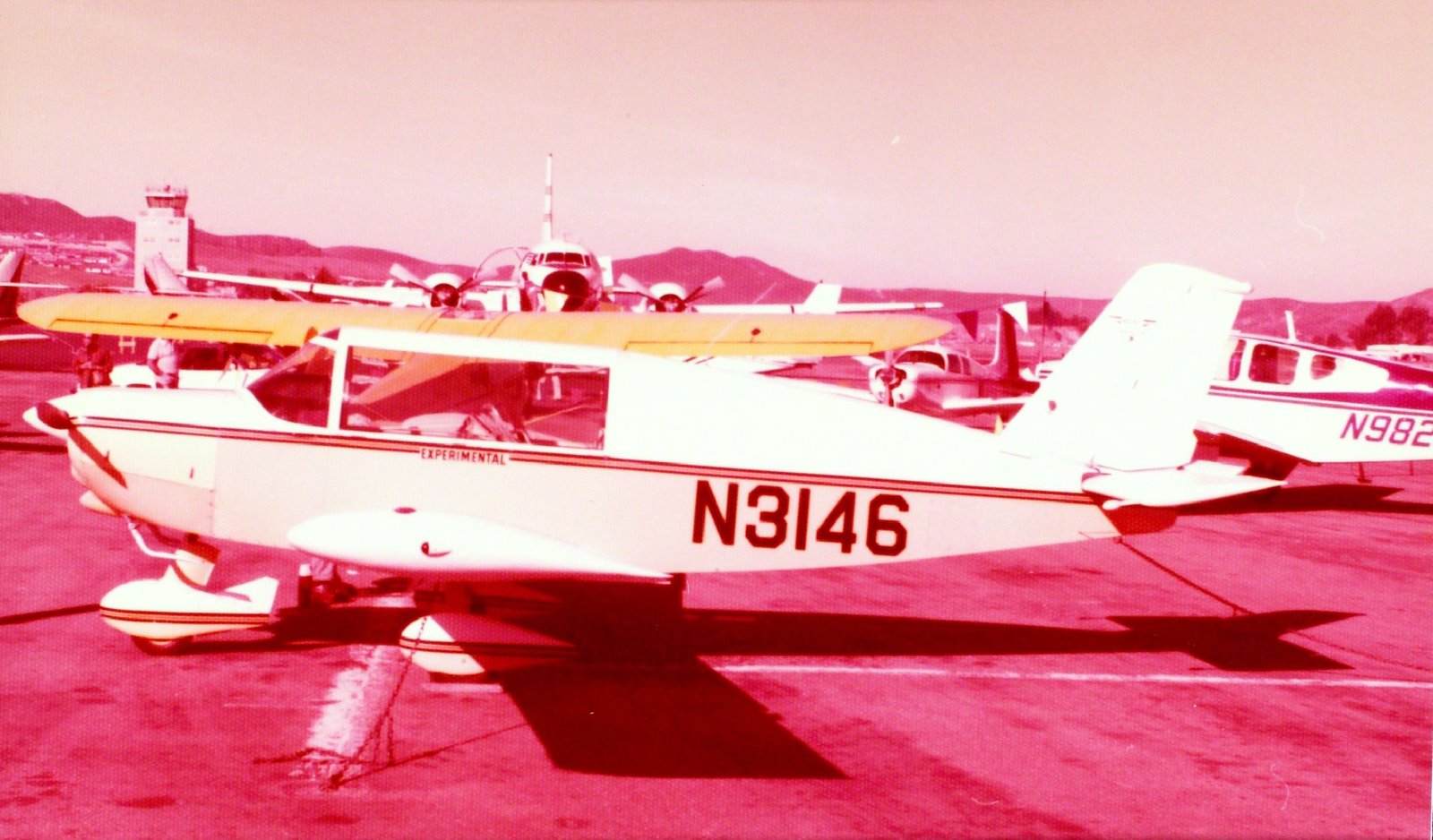
Design Philosophy and Development
Harold Wendt conceived the WH-1 Traveler during the early 1970s homebuilt aircraft renaissance, targeting pilots who demanded both speed and range in a two-seat configuration. Unlike many homebuilt designs that prioritized simplicity over performance, Wendt engineered his aircraft specifically for long-distance cross-country travel, incorporating aerodynamic refinements typically found in certified aircraft.
The prototype's maiden flight in 1972 validated Wendt's design approach, demonstrating that amateur-built aircraft could achieve airline-like cruise speeds while maintaining reasonable construction complexity. The aircraft featured a constant-chord two-spar wing structure mounted in a cantilever configuration, eliminating drag-inducing wing struts common on contemporary homebuilts.
Construction and Technical Innovation
Wendt Aircraft Engineering designed the WH-1 around conventional wooden construction methods familiar to amateur builders, while incorporating advanced features like fiberglass wheel fairings and a sophisticated canopy design. The fuselage utilized traditional techniques, but the wing structure employed modern stress analysis to achieve the cantilever configuration without excessive weight penalties.
The aircraft's 118 square feet of wing area supported a maximum gross weight of 1,400 pounds, resulting in a wing loading of 11.9 pounds per square foot—relatively high for homebuilt aircraft of the era. This design choice enabled the impressive cruise speeds that distinguished the Traveler from its competitors, though it required more pilot skill during approach and landing phases.
Powerplant and Performance
The prototype WH-1 utilized a 75-horsepower Continental A-75 engine, a proven four-cylinder horizontally opposed powerplant that had established reliability records in thousands of light aircraft. Wendt's plans accommodated Continental engines ranging from 65 to 85 horsepower, allowing builders to optimize their aircraft for either economy or performance based on individual preferences.
With the standard 75-hp engine installation, the Traveler achieved a maximum speed of 131 mph and cruised efficiently at 123 mph—performance figures that rivaled certified aircraft costing significantly more than homebuilt alternatives. The aircraft's 750 feet per minute rate of climb and 13,000-foot service ceiling provided operational flexibility for mountain flying and weather avoidance.
Practical Design Features
The enclosed cockpit featured a port-hinged canopy with transparent side panels, providing excellent visibility for both occupants during cross-country flights. Behind the rear seat, designers incorporated 50 pounds of baggage capacity, acknowledging that serious traveling aircraft required meaningful luggage space.
The tricycle landing gear configuration with steerable nosewheel made the aircraft accessible to pilots transitioning from typical training aircraft, while the fiberglass wheel fairings reduced drag without significantly complicating construction. The 22-gallon fuel capacity, combined with efficient cruise consumption, enabled the advertised 368-mile range with reasonable reserves.
The Homebuilt Market Context
During the early 1970s, the homebuilt aircraft movement was gaining momentum as certified aircraft prices escalated beyond many private pilots' budgets. The WH-1 Traveler represented a sophisticated option for builders willing to invest additional time and skill in exchange for near-commercial aircraft performance.
Wendt Aircraft Engineering's business model focused on selling detailed construction plans rather than kit components, requiring builders to source materials independently. This approach kept initial costs low while allowing experienced craftsmen to substitute preferred materials or modify details to suit individual requirements.
Regulatory Recognition and Legacy
The Federal Aviation Administration recognized the WH-1 design's significance by referencing it in Advisory Circular AC 90-89A, which established flight testing procedures for homebuilt aircraft. This regulatory acknowledgment confirmed that Wendt's design met professional engineering standards despite its amateur-built classification.
The aircraft's stall speed of 65 mph, while higher than ultralight aircraft, remained within reasonable limits for pilots with standard private pilot training. The design struck an effective balance between performance and safety that influenced subsequent homebuilt aircraft development.
While comprehensive production records remain unavailable, the WH-1 Traveler established important precedents for high-performance homebuilt aircraft design. Its emphasis on cross-country capability over aerobatic performance helped define a market segment that manufacturers like Lancair and Glasair would later dominate with composite construction techniques.