
Service History
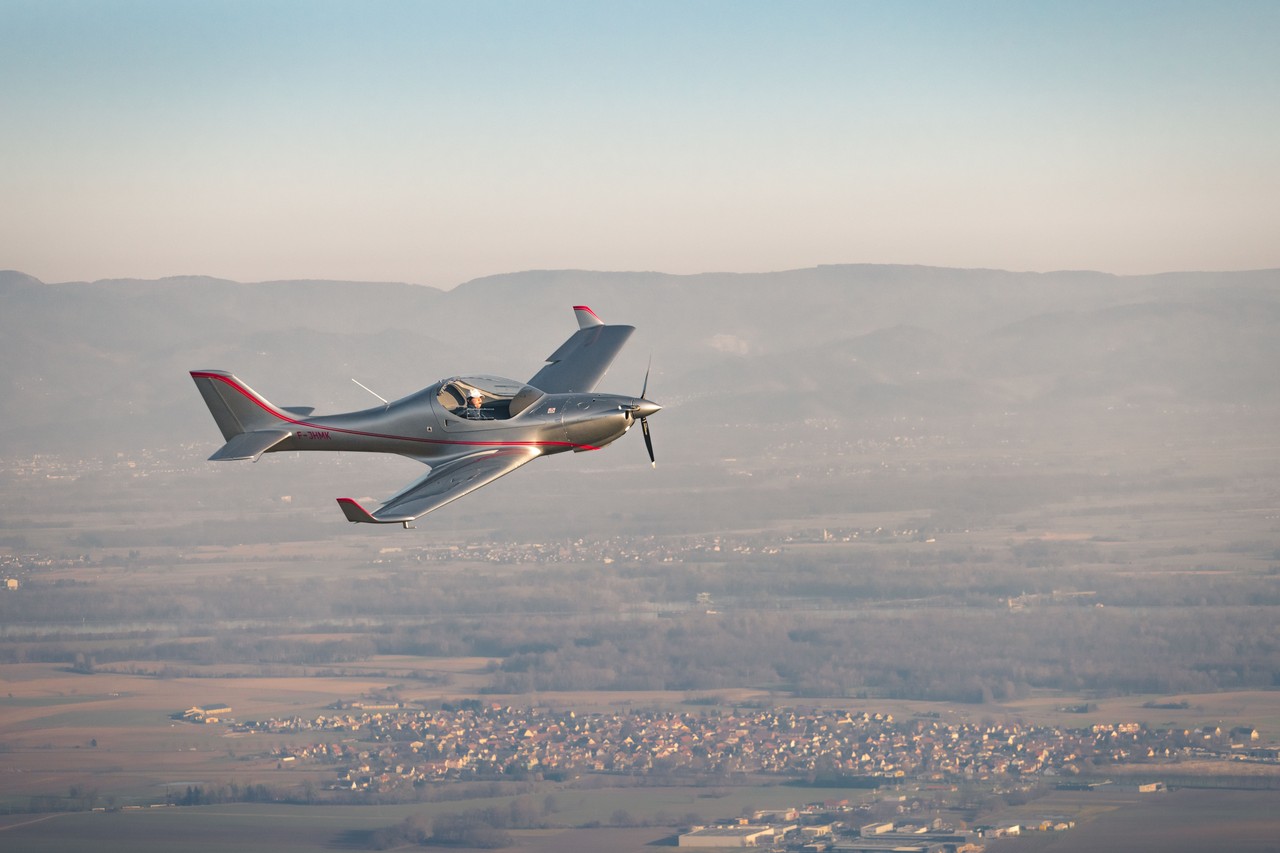
The WT9 Dynamic transformed the light-sport aircraft market through exceptional performance and structural integrity that surpassed traditional ultralight capabilities. Since entering serial production in 2001, over 1,000 aircraft have been delivered worldwide, with more than 900 complete aircraft manufactured by 2023. The type gained prominence among private pilots and flight training organizations across all continents except Antarctica, where its combination of high cruise speeds and docile handling characteristics made it ideal for both recreational flying and glider towing operations.
Flight schools particularly embraced the Dynamic for its safety record and robust construction, often replacing older training aircraft like the EuroFOX in their fleets. The aircraft's ability to comply simultaneously with FAI microlight rules, US light-sport aircraft regulations, and UK BCAR Section S requirements gave operators unprecedented flexibility in certification categories.
The Manufacturer
Aerospool s.r.o. emerged from the post-Soviet aerospace landscape when founder Ján Hrabovský established the company in Prievidza, Slovakia, in 1991. Initially gaining recognition as a subcontractor producing carbon fiber and composite components for a major German glider manufacturer, Aerospool leveraged this expertise to enter powered aircraft manufacturing by 1996.
The company's transition from component supplier to aircraft manufacturer proved prescient, as their composite manufacturing experience provided crucial advantages in developing the Dynamic's revolutionary carbon fiber sandwich structure. Under Hrabovský's continued leadership as CEO, Aerospool has evolved the WT9 through seven major iterations, culminating in the current WT9.15 "Super Dynamic," while expanding their product line to include the four-seat WT10 Advantic.
Manufacturing operations remain centered at the original Prievidza facilities, utilizing the historic "Glider Hall" for painting and initial assembly stages, with dedicated production areas for fuselage lamination, wing construction, and final integration of powerplant and avionics systems.
Engine & Technical Innovation
The Dynamic's powerplant options center on the proven Rotax 912 series, with the 912 ULS serving as the standard configuration. This four-cylinder, four-stroke engine delivers 100 horsepower through a combination of air and liquid cooling, providing smooth power delivery across the aircraft's operating envelope. Advanced variants include the fuel-injected 912iS, the turbocharged 914 producing 115 horsepower, and the more recent 915iS generating 141 horsepower.
Aerospool's engineering team achieved remarkable structural efficiency through their carbon fiber sandwich construction, enabling wings to withstand 3,600 kilograms of loading while maintaining ultralight category weights. The spacious 1.15-meter-wide cockpit provides exceptional comfort for a two-seat aircraft, addressing common complaints about cramped ultralight accommodations.
Development challenges required substantial design evolution between the initial 1999 prototype and production aircraft, with only 20 percent of components remaining unchanged through regulatory compliance modifications to wings, empennage, and interior systems.
Performance Characteristics
Pilots consistently praise the Dynamic's exceptional speed-to-weight ratio and predictable handling characteristics. With a cruise speed of 155 mph and stall speed of just 40 mph, the aircraft provides an unusually wide performance envelope for its category. Maximum range extends to 1,600 kilometers on internal fuel capacity ranging from 75 to 126 liters, depending on configuration.
Climb performance reaches 2,000 feet per minute, exceptional for an aircraft with 450-kilogram maximum takeoff weight in microlight configuration or 600 kilograms in light-sport category. Takeoff and landing distances of approximately 600 feet enable operation from shorter airstrips while maintaining safety margins.
The never-exceed speed of 174 mph provides substantial margin above cruise speeds, contributing to the aircraft's reputation for structural integrity and pilot confidence during turbulent conditions.
Production Legacy
Continuous production spanning over two decades demonstrates sustained market demand for the Dynamic's unique combination of performance, safety, and aesthetic appeal. The aircraft established new standards for composite light-sport aircraft construction, influencing competitor designs throughout the industry.
Current examples remain actively tracked through databases like FlightAware, indicating strong ongoing utilization rates among the global fleet. Manufacturing continues at Prievidza with new orders being fulfilled as of 2025, suggesting the design's enduring relevance in an increasingly competitive market segment.
The Dynamic's cultural significance extends beyond mere production numbers, representing Slovakia's successful entry into modern aircraft manufacturing and demonstrating how specialized composite expertise could create globally competitive aviation products in the post-Cold War era.