
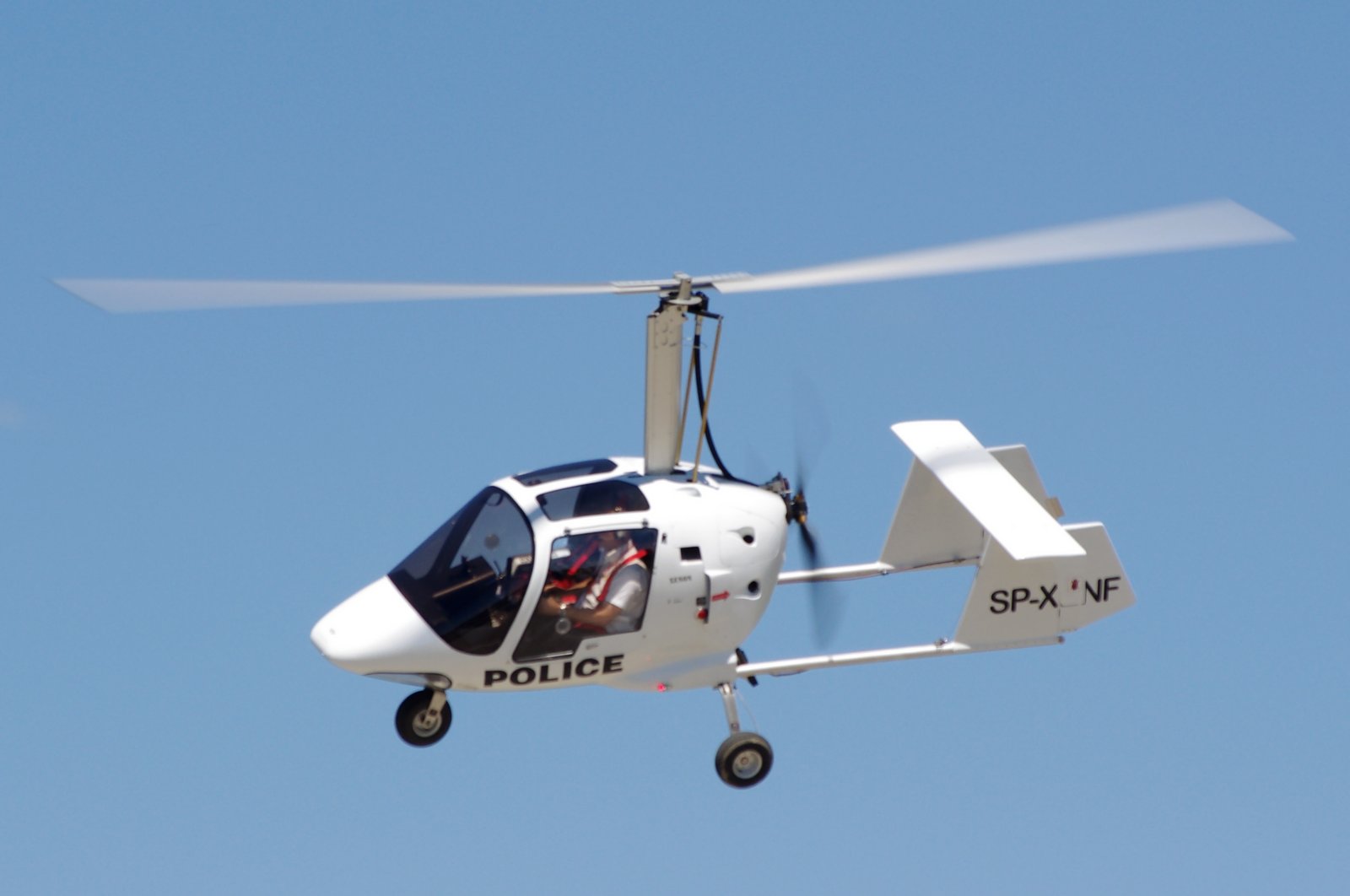
Development and Design Philosophy
The ABS Aerolight Xenon emerged from the French ultralight manufacturer's vision to create a gyrocopter that combined the vertical takeoff capabilities of rotorcraft with the comfort and weather protection of conventional aircraft. ABS Aerolight, operating from Sérignan-du-Comtat in southern France, had established expertise in ultralight aviation since 1993, producing paramotors, powered parachutes, and experimental aircraft including roadable designs like the ATE and Navigathor.
The Xenon's design prioritized pilot and passenger comfort through its fully enclosed composite cabin, a departure from traditional open-cockpit gyrocopters. Engineers incorporated panoramic visibility features including upper and lower windows plus a wraparound windshield, creating an almost greenhouse-like flying experience. The 50-inch cabin width provided generous space for two occupants while maintaining the aircraft's ultralight classification.
Technical Innovation
Powering the early Xenon models was the German-built Hirth F30 engine, a two-stroke, two-cylinder powerplant producing 102 horsepower with forced cooling. This engine drove a sophisticated 68.5-inch diameter propeller constructed from Kevlar and carbon fiber by Ivoprop, optimized for the gyrocopter's unique aerodynamic requirements. The all-aluminum extruded rotor system was engineered to eliminate vibration, a common complaint in earlier gyrocopter designs.
The aircraft's composite self-supporting fuselage incorporated strategic reinforcements while maintaining light weight essential for ultralight operations. Landing gear consisted of aluminum blade-style main gear at the rear and a welded yoke assembly forward, designed to handle the unique ground handling characteristics of gyrocopters. A generously proportioned tail unit ensured the rotor wash from the main rotor would not adversely affect control authority.
Production Challenges and International Transfer
ABS Aerolight's French production run proved limited, with approximately 15 Xenon units completed, most delivered as kit aircraft requiring around 250 hours of assembly time. The company faced mounting business pressures in the competitive European ultralight market, ultimately ceasing operations in late 2007 after relocating production attempts to Poland for improved technical resources and market access.
Celier Aviation (CA) at Piotrkow Trybunal, Poland, acquired the Xenon design rights and resumed production as the Xenon IV. Polish manufacturing proved more successful, with CA completing approximately 145 examples by 2011, representing the largest production run in the aircraft's history. The Polish versions incorporated refinements and engine options including the turbocharged Rotax 914 producing 110-125 horsepower, and later variants like the Xenon 3 XL featured Yamaha engines generating 180 horsepower.
Operational Flexibility
The Xenon's cabin design emphasized versatility beyond simple transportation. Removable seating allowed conversion to cargo configuration with 8.8 cubic feet of storage space, while the wide cabin could accommodate stretcher operations for medical transport roles. This adaptability made the aircraft attractive to operators requiring multi-mission capability from a single airframe.
Registrations appeared across multiple continents, with examples operating in France, Germany, Poland, the United Arab Emirates (carrying A10 registrations), Romania, Russia, Saudi Arabia, and the United States. The international distribution demonstrated the design's broad appeal despite limited production numbers.
Production Legacy and Continuing Evolution
When Celier Aviation ended Xenon production around 2017-2018, manufacturing responsibility transferred to Aviation Artur Trendak (AAT), which continues development of Xenon derivatives including the AAT Tercel. Additional companies including Fly Argo, ML, and Air Gyro have produced variants based on the original Xenon design, ensuring the aircraft's continued evolution.
As of 2025, at least a dozen original Xenon airframes remain active or recently registered, including SP-XATD sold in 2025, SP-XRAY registered in 2025, and D-MAAT which was new in 2020. The design's influence extends through modern derivatives like the AAT Tercel, with recent examples including SP-XXBZ from 2022.
Museum Recognition
Two significant French aviation museums preserve early ABS Aerolight Xenon examples: the Musée de l'Air et de l'Espace at Le Bourget, Paris, and the Army Aviation Museum in Dax. These installations recognize the Xenon's contribution to advancing enclosed gyrocopter design within ultralight aviation, marking its significance in rotorcraft development despite modest production numbers. The aircraft earned ICAO type designation XNON, formalizing its place in international aviation records.