
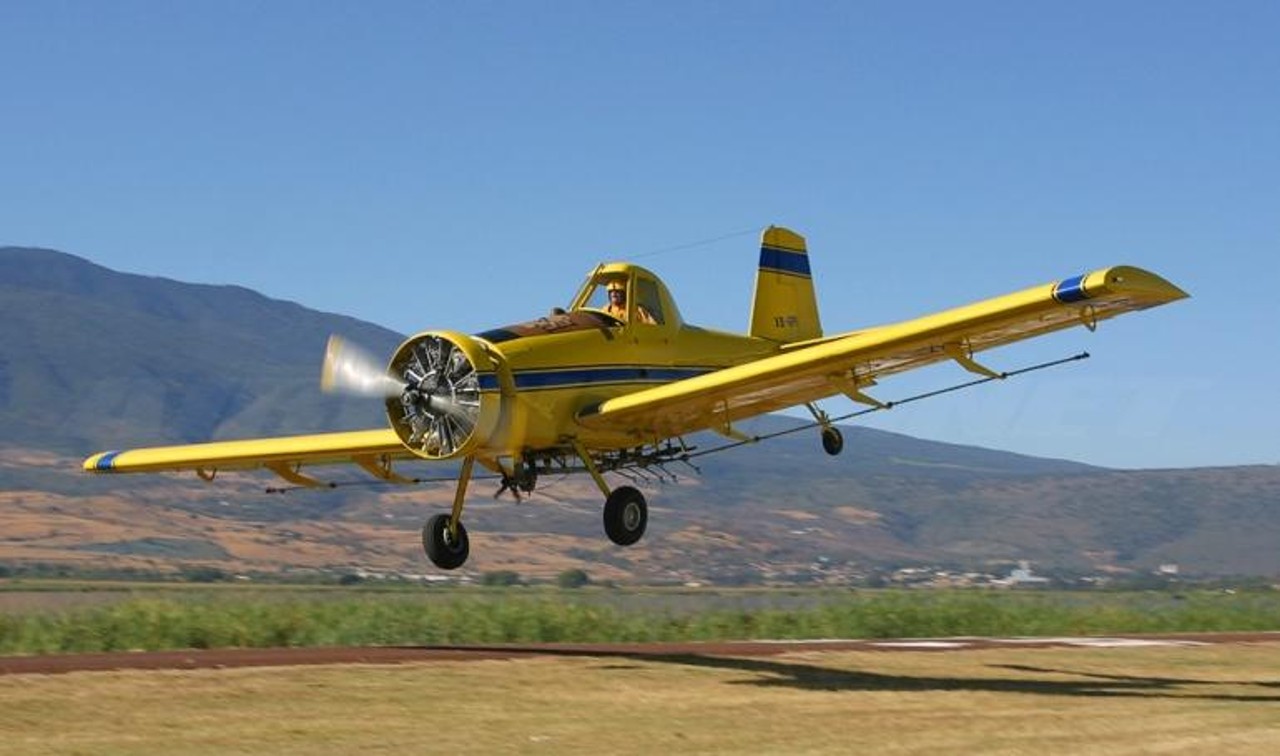
The Missing Link in Air Tractor's Legacy
The AT-250 designation presents one of aviation's intriguing mysteries within the otherwise well-documented history of Air Tractor Inc. Despite being assigned the official ICAO type code AT2P, comprehensive searches of aviation records, manufacturer documentation, and historical archives reveal no evidence of this aircraft's existence in Air Tractor's production timeline.
Air Tractor's Documented Evolution
Air Tractor Inc. established its reputation beginning with the AT-300, which first flew in 1973 under the guidance of company founder Leland Snow. The Olney, Texas-based manufacturer built its legacy on a clear progression of agricultural aircraft, moving through the AT-300 and AT-301 series in the 1970s, followed by the AT-400 family, and eventually expanding into the successful AT-500, AT-600, and AT-800 series that continue production today.
The company's numbering system typically reflected aircraft size, payload capacity, and intended mission profile. Lower numbers generally indicated smaller aircraft, while higher designations marked larger, more powerful variants capable of handling greater chemical loads and covering more acreage per flight.
The Mystery of the Missing Model
Several theories could explain the AT-250's phantom status in aviation records. The designation may have been reserved for a proposed aircraft that never progressed beyond initial design studies. In the competitive agricultural aviation market of the 1970s and 1980s, manufacturers frequently explored multiple design concepts before committing resources to full development and certification.
Alternatively, the AT-250 designation might represent an early internal project designation that was later redesignated under a different model number. Aircraft manufacturers commonly reassign model numbers during development as specifications change or market requirements shift.
ICAO Code Complications
The assignment of ICAO type code AT2P to the AT-250 adds another layer of complexity to this aviation puzzle. The International Civil Aviation Organization typically assigns these codes only to aircraft that have achieved some level of official recognition, whether through type certification processes or documented flight testing. The existence of this code suggests that at some point, aviation authorities acknowledged an aircraft bearing the AT-250 designation, even if production records remain elusive.
Air Tractor's Proven Track Record
While the AT-250 remains absent from official records, Air Tractor's documented aircraft demonstrate the company's consistent approach to agricultural aviation design. The AT-300 established the template with its single-seat configuration, radial engine powerplant, and purpose-built airframe optimized for low-level operations and chemical application.
Subsequent models like the AT-400 series introduced turbine power, while the AT-500 family expanded payload capabilities and operational flexibility. The AT-502B became particularly successful, offering 500-gallon chemical capacity and the reliability of Pratt & Whitney PT6A turboprop power.
Industry Context and Speculation
The agricultural aviation industry of the 1970s and early 1980s witnessed intense competition and rapid technological advancement. Companies frequently announced new models, explored innovative designs, and sometimes abandoned projects when market conditions changed or technical challenges proved insurmountable.
If the AT-250 existed as a development program, it likely would have fallen between the AT-300 series and the later AT-400 family in terms of capability and timeline. Such an aircraft might have explored intermediate payload capacities, alternative powerplant options, or experimental design features that ultimately influenced later production models.
The Search Continues
Aviation historians and Air Tractor enthusiasts continue investigating the AT-250 mystery. Company archives, former employee recollections, and regulatory filing records may eventually shed light on whether this designation represented a genuine development program or simply an administrative anomaly in aviation record-keeping.
Legacy of Innovation
Regardless of the AT-250's uncertain status, Air Tractor's documented contributions to agricultural aviation remain substantial. The company has delivered thousands of aircraft worldwide, establishing itself as a leading manufacturer of specialized agricultural aircraft. From the original AT-300 through today's sophisticated AT-802F Fire Boss, Air Tractor continues Leland Snow's vision of purpose-built aircraft serving agricultural and firefighting missions across six continents.