
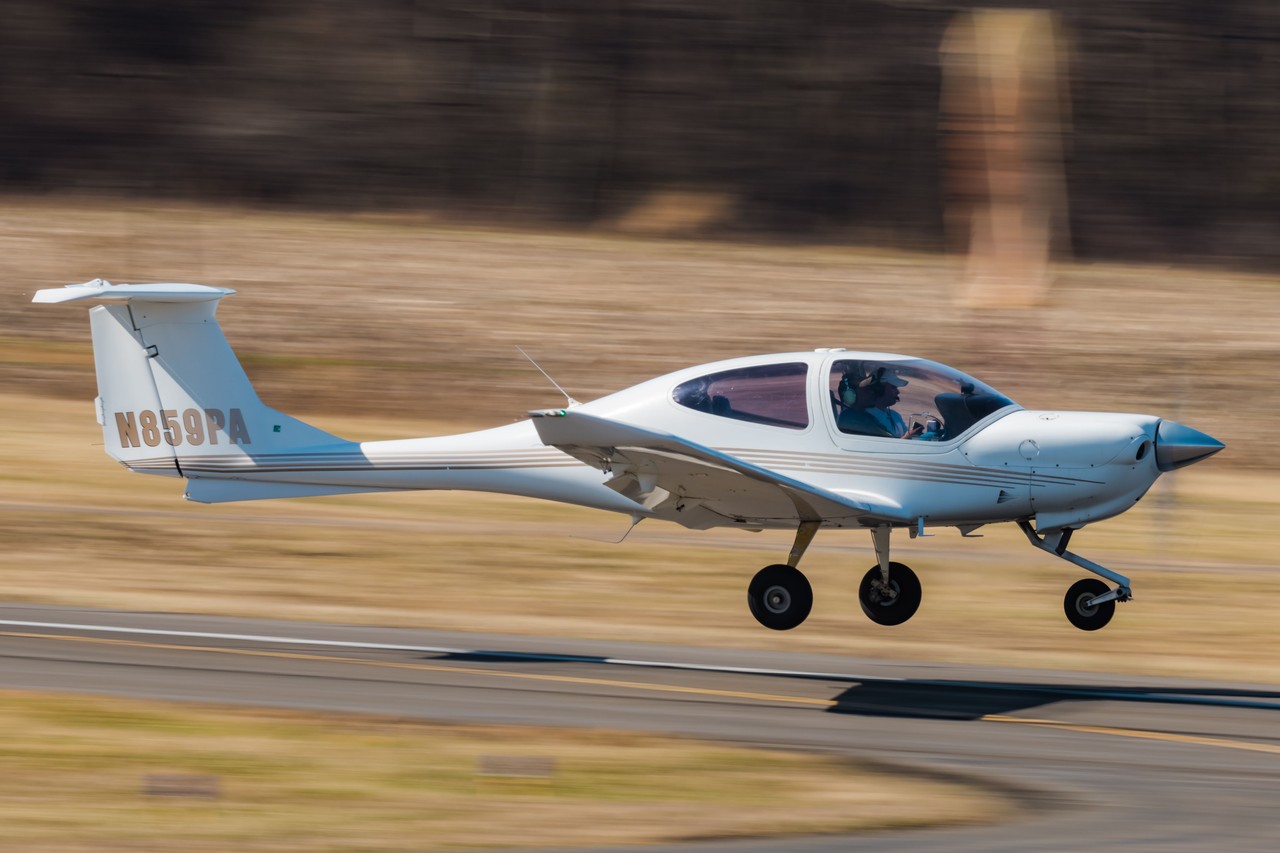
Flight Training Revolution
The DA-40 Diamond Star transformed modern flight training by introducing composite aircraft technology to the training fleet market. Flight schools across North America and Europe adopted the aircraft for its predictable handling characteristics and advanced glass cockpit systems, with many universities incorporating it into their aviation programs by the early 2000s.
Development and Design
Diamond Aircraft Industries, founded by Christian Dries in Wiener Neustadt, Austria, developed the DA-40 as part of their composite aircraft family. The aircraft emerged from Diamond's experience with the earlier DA-20 Katana, incorporating lessons learned about composite construction and pilot training requirements. The design team prioritized safety through benign stall characteristics and excellent visibility from the cockpit.
The DA-40's composite fuselage construction provided weight savings and corrosion resistance compared to traditional aluminum aircraft. Its distinctive T-tail configuration improved elevator authority and reduced the risk of tail strikes during training operations. The tricycle landing gear featured a castering nosewheel that simplified ground handling for student pilots.
Engine Options and Performance
Initially powered by the Lycoming IO-360-M1A producing 180 horsepower, the DA-40 later offered the revolutionary Austro Engine AE 300 turbocharged diesel engine. The diesel variant, designated DA-40 TDI, burned Jet A-1 fuel and provided improved fuel economy with reduced operating costs. This engine choice proved particularly popular in Europe where avgas availability remained limited.
The aircraft achieves a cruise speed of 147 knots with the gasoline engine and 142 knots with the diesel powerplant. Its service ceiling reaches 16,400 feet, while maximum range extends to 900 nautical miles with standard fuel capacity. The generous 49-gallon fuel system provides extended training flights without frequent fuel stops.
Avionics Integration
Diamond positioned the DA-40 at the forefront of glass cockpit training by offering Garmin G1000 integration as standard equipment in later production models. This advanced avionics suite exposed student pilots to modern navigation and flight management systems, preparing them for contemporary airline operations. The large primary flight displays and multifunction displays provided superior situational awareness compared to traditional analog instruments.
Manufacturing and Global Reach
Production of the DA-40 occurred at Diamond's facilities in Austria and later at their Canadian plant in London, Ontario. The aircraft earned certification from both European Aviation Safety Agency and Federal Aviation Administration, enabling global sales and support. Diamond delivered hundreds of DA-40s to flight training organizations, private owners, and commercial operators worldwide.
The Chinese aerospace conglomerate Wanfeng Aviation Industry acquired Diamond Aircraft Group in 2017, providing financial stability and access to Asian markets. This ownership change ensured continued production and development of the DA-40 series while maintaining manufacturing operations in Austria and Canada.
Operational Excellence
Pilots appreciate the DA-40's forgiving flight characteristics and excellent cross-country capability. The aircraft's low stall speed of 49 knots and gentle stall behavior provide confidence for student pilots, while its modern systems prepare them for advanced aircraft transitions. The spacious cabin accommodates larger pilots comfortably, addressing a common complaint about competing training aircraft.
Flight schools report lower maintenance costs compared to traditional aluminum trainers, as the composite construction resists corrosion and impact damage. The aircraft's modern design incorporated easy access panels and simplified systems routing, reducing routine maintenance time and costs.
Legacy and Current Status
The DA-40 established Diamond Aircraft as a major player in the training aircraft market, competing directly with established manufacturers like Cessna and Piper. Its success demonstrated market acceptance of composite construction and diesel engines in general aviation, influencing industry trends toward more efficient and environmentally conscious aircraft design.
Today, DA-40s continue flying at flight schools, universities, and private operators globally. The aircraft's modern systems and construction ensure its relevance in contemporary aviation training, while ongoing support from Diamond maintains operational readiness for existing fleets.