
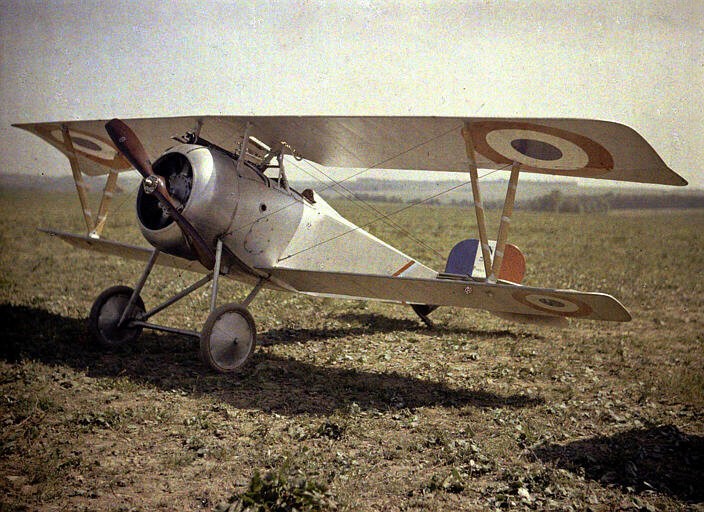
Historical Context and Development
The REDFERN Nieuport 17 emerged from the growing interest in World War I aviation replicas during the late 20th and early 21st centuries. As warbird enthusiasts and pilots sought to experience the flight characteristics of Great War fighters, several manufacturers began producing faithful reproductions of classic designs. The original Nieuport 17, which served with distinction from 1916 to 1918, provided an ideal template for such reproduction efforts due to its relatively simple construction and excellent flying qualities.
Design Philosophy
The REDFERN variant maintains the essential characteristics that made the original Nieuport 17 successful: a lightweight sesquiplane configuration with unequal-span wings, providing excellent maneuverability while maintaining structural integrity. The aircraft features the distinctive "vee" interplane struts and characteristic kidney-shaped cutouts in the upper wing center section. Modern safety considerations and manufacturing techniques are incorporated while preserving the authentic appearance and handling qualities of the original design.
Construction and Materials
Unlike the original wartime aircraft, the REDFERN Nieuport 17 benefits from modern materials and construction techniques. The fuselage typically employs welded steel tube construction covered with fabric, while the wings utilize traditional wooden ribs and spars with modern covering materials. This combination provides enhanced durability and weather resistance compared to the original 1916 specifications, while maintaining the lightweight characteristics essential to the aircraft's performance envelope.
Engine Options and Performance
Modern Nieuport 17 replicas often utilize contemporary radial engines that approximate the power output of the original rotary engines, typically producing between 80 and 150 horsepower. These powerplants provide cruise speeds of approximately 85 to 95 miles per hour, with a service ceiling around 12,000 feet. The substitution of conventional radial engines for the original rotary design eliminates the gyroscopic effects that challenged World War I pilots while preserving the authentic flight experience.
Pilot Experience
Pilots describe the REDFERN Nieuport 17 as providing an authentic taste of World War I aviation, with responsive controls and gentle handling characteristics. The aircraft's light wing loading and relatively low power loading create a flying experience markedly different from modern aircraft. Visibility from the cockpit remains excellent, particularly important for the formation flying and aerobatic displays where these replicas typically operate.
Role in Aviation Heritage
The REDFERN Nieuport 17 serves an important role in preserving aviation heritage, allowing modern audiences to witness the aircraft that shaped aerial combat doctrine during the Great War. These replicas participate in airshows, memorial flights, and educational programs that honor the memory of early military aviators. The aircraft provides flight training opportunities for pilots interested in tailwheel and vintage aircraft operations.
Current Operations
Today's Nieuport 17 replicas primarily serve in civilian roles, including airshow performances, private collections, and flight training. The aircraft's docile handling characteristics make it suitable for pilots transitioning to vintage aircraft operations, while its historical significance ensures continued interest from aviation enthusiasts. Museums and private collectors maintain examples for static display and occasional flight demonstrations.
Manufacturing Legacy
The production of faithful World War I replicas like the REDFERN Nieuport 17 represents a specialized segment of the aviation industry, combining traditional craftsmanship with modern engineering knowledge. These aircraft preserve not only the appearance of their historical counterparts but also the essential flying qualities that defined early military aviation. The continued interest in such replicas ensures that future generations will have opportunities to experience the aircraft that pioneered aerial warfare tactics and established the foundations of modern fighter aircraft design.