
Service History
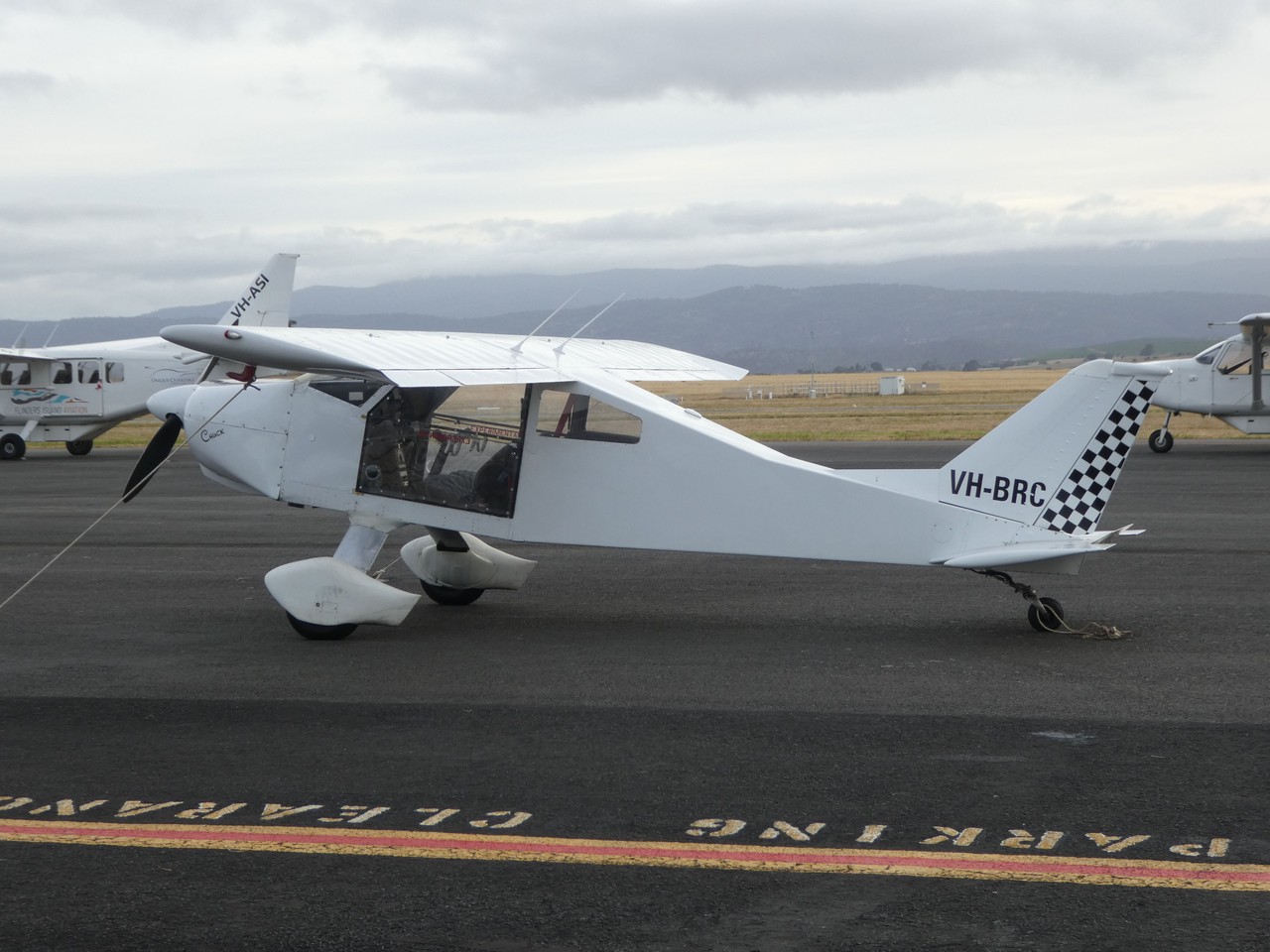
The BD-4 achieved unprecedented success in the homebuilt aircraft market, with more than 2,000 kits sold by 1976 and over 750 aircraft completed by that same year. Eventually, more than 1,000 examples were constructed worldwide, establishing the BD-4 as one of the most popular amateur-built aircraft in history. The aircraft enjoys one of the best safety records among homebuilt designs, contributing to its enduring popularity fifty years after introduction. Despite kits no longer being available from the original manufacturer, the BD-4 remains highly sought after by aviation enthusiasts and builders.
The Manufacturer
Bede Aircraft Inc. was founded by James R. Bede, a prominent light aircraft designer who became a significant figure in American aviation. The company initially operated from Newton, Kansas, before relocating to Cuyahoga Airport in Cleveland, Ohio. The rapid success of the BD-4 necessitated this move, as the company expanded from a single T-hangar to the largest available hangar at the airport within just three months of beginning kit sales in 1969. Following James R. Bede Sr.'s death in 2015, his son Jim Bede Jr. acquired the company and continued operations under the name BedeCorp. The modernized BD-4C design was eventually sold to SureWings in the 21st century.
Design Innovation and Construction
James R. Bede Sr. designed the BD-4 with revolutionary construction methods that set it apart from contemporary aircraft. The design was explicitly intended for homebuilders with only basic shop tools and no previous aircraft construction experience. The BD-4 featured a bonded-metal construction technique rather than traditional riveting, representing a significant departure from conventional aircraft assembly methods. The aircraft incorporated a slab-sided fuselage with square corners to simplify construction, while the wings utilized 24 glass-fiber panel-ribs fitted over a 12.7-centimeter diameter extruded aluminum spar secured with epoxy resin and tube clamps.
The BD-4's structural design exceeded Part 23 standards for Normal and Utility category aircraft, and at its 1,400-pound gross weight, it even met Acrobatic category requirements, though aerobatic maneuvers were not recommended. The fuselage construction employed 2024-T3 formed angles bolted together, with skin either pop-riveted or bonded to the primary structure. The tubular spars were manufactured from extruded 6061-T6 aluminum, providing an exceptional strength-to-weight ratio.
Engine and Performance
The standard BD-4 was equipped with a Lycoming O-320 four-cylinder, horizontally-opposed, air-cooled engine producing 150 horsepower. However, the aircraft's flexible design accommodated any Lycoming engine ranging from 108 to 200 horsepower, allowing builders to customize performance characteristics according to their preferences and budget. This engine flexibility contributed significantly to the aircraft's appeal among homebuilders seeking personalized performance specifications.
With its standard powerplant, the BD-4 achieved a cruise speed of 165 miles per hour, representing impressive performance for a homebuilt aircraft of its era. The high-wing configuration provided excellent visibility and stable flight characteristics, while builders could choose between tricycle landing gear or conventional tailwheel arrangements based on their operational preferences.
Legacy and Influence
The BD-4's most significant contribution to aviation was establishing the kit aircraft concept that dominates today's homebuilt market. Prior to the BD-4, amateur builders typically worked from plans alone, fabricating all components themselves. Bede's innovation of providing complete kits with pre-manufactured components dramatically reduced construction time and complexity while improving build quality and safety.
James R. Bede documented the construction process in a comprehensive 165-page manual titled "Build Your Own Airplane," which remains available today as a testament to the aircraft's enduring relevance. The BD-4's design principles influenced countless subsequent homebuilt aircraft, establishing bonded construction and modular assembly as standard practices in the amateur-built aircraft industry.
The aircraft's design heritage traces back to Bede's earlier BD-1, a low-wing two-seater that first flew in 1963 and later became the Grumman American AA-1. The BD-4 essentially represented an inverted version of this design, adapted to a high-wing configuration suitable for four-seat family transportation.
Current Status
Today, the BD-4's legacy continues through various forms. A notable example is displayed at the Pima Air & Space Museum in Arizona, bearing registration N42EE and serial number 382. The modernized BD-4C variant features a fuselage four inches wider and 14 inches longer than the original, accommodating 21st-century occupants more comfortably. This updated version incorporates CNC-cut aluminum honeycomb ribs and wet wing fuel capacity ranging from 51 to 80 gallons, representing significant improvements over the original design while maintaining the fundamental characteristics that made the BD-4 successful.