
Development and Innovation
The Hawker 4000's journey began in November 1996 when Raytheon Aircraft announced the ambitious project, initially dubbed the Hawker Horizon. The company sought to create a super-midsize business jet larger than the existing Hawker 1000, incorporating cutting-edge materials and technology that would redefine corporate aviation standards.
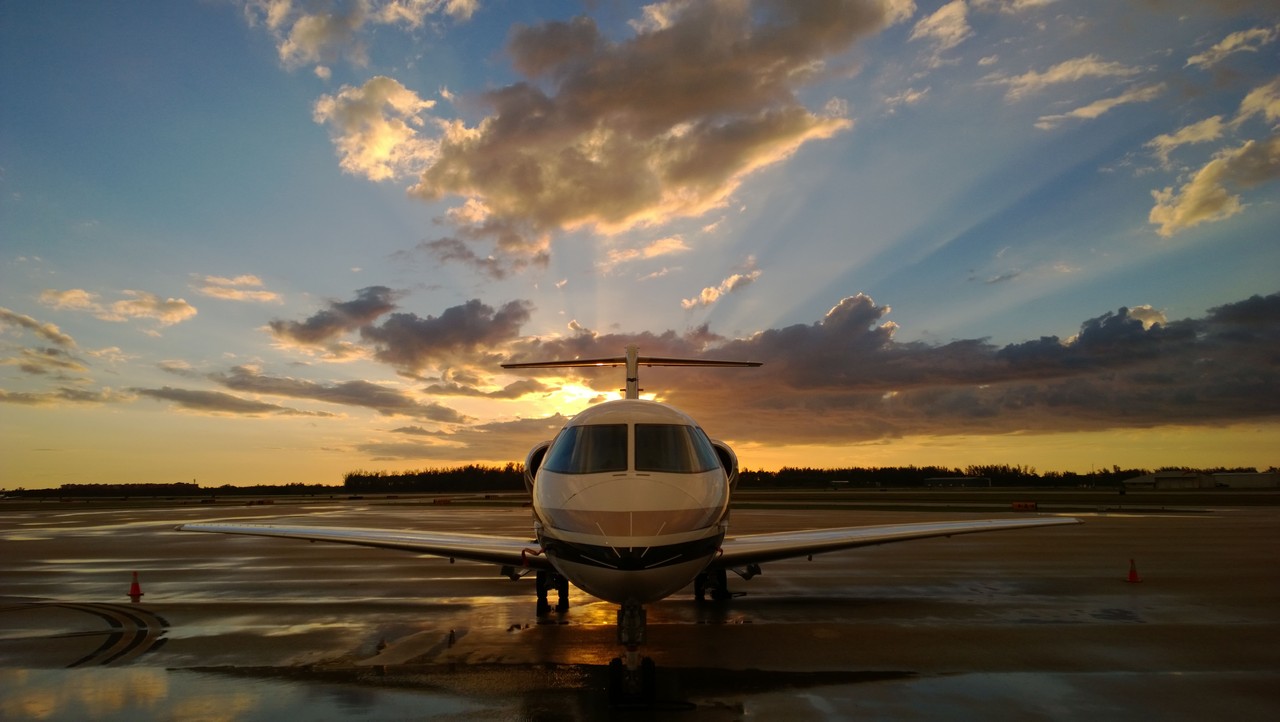
The aircraft's most groundbreaking feature was its revolutionary construction methodology. Unlike traditional aluminum fuselages, the Hawker 4000 employed an all-composite structure using graphite/epoxy laminated materials and honeycomb composites. This pioneering approach reduced overall weight while providing a more spacious cabin environment, establishing the aircraft as the first in its class to utilize carbon composite construction throughout the fuselage.
Development proved lengthy and complex. Following the maiden flight on August 11, 2001, two additional prototypes joined the test program on May 10 and July 31, 2002. The aircraft made its public debut at the November 2002 National Business Aviation Association convention, generating significant industry interest.
Certification Challenges
Certification became a protracted process that nearly derailed the program. The Federal Aviation Administration initially granted type certification in December 2004, but regulatory complications arose when the five-year certification window under FAR Part 25 expired on May 31, 2006. Raytheon filed an extension request in November 2006, ultimately receiving final FAA type certification on November 21, 2006. Additional modifications earned certification in June 2008, followed by approval from China's Civil Aviation Administration in December 2009.
Corporate Upheaval
The Hawker 4000's development coincided with significant corporate restructuring. In December 2006, Raytheon announced the sale of Raytheon Aircraft to GS Capital Partners, completing the transaction in March 2007 and renaming the entity Hawker Beechcraft Inc. This transition occurred just as the aircraft was entering full production at the Wichita, Kansas facility.
Engine and Performance
Powering the Hawker 4000 were two Pratt & Whitney Canada PW308A turbofan engines, each producing 6,900 pounds of thrust. Mounted in pods on either side of the rear fuselage, these engines featured Nordam target thrust reversers and Full Authority Digital Engine Control systems. The FADEC technology enabled exceptional hot-and-high performance characteristics, a significant improvement over previous Hawker aircraft generations.
Performance specifications positioned the aircraft competitively within the super-midsize segment. The Hawker 4000 achieved a maximum cruise speed of 470 knots and service ceiling of 45,000 feet, while carrying 14,600 pounds of fuel. Takeoff distance requirements of 4,509 feet and landing distance of 2,916 feet provided operational flexibility at various airports.
Market Entry and Commercial Success
Production officially commenced in 2008, with the first customer delivery occurring in June of that year. Jack P. DeBoer received the inaugural aircraft during a ceremony at Hawker Beechcraft's Customer Delivery Center in Wichita. The timing proved unfortunate, as the global financial crisis severely impacted the business aviation market just as deliveries began.
Despite market headwinds, several significant orders materialized. NetJets placed the largest single commercial order in Raytheon Aircraft history on December 2, 2005, committing to 50 aircraft. BJETS completed a 10-aircraft order worth more than $330 million in May 2008. Other notable customers included Flight Options LLC and the Jordan Grand Prix Racing Team.
International expansion progressed with the first delivery to mainland China in February 2010, demonstrating the aircraft's global appeal. The Hawker 4000 proved its transatlantic capabilities in June 2003 during a demonstration flight from Wichita via Los Angeles and Seattle at an average speed of Mach 0.77.
Production End and Legacy
The extended development timeline ultimately hindered the Hawker 4000's commercial success. The 12-year gap between initial announcement and production entry allowed competitors from Bombardier and Gulfstream to establish dominant positions in the super-midsize market segment. Early production aircraft experienced technical issues that required expensive and time-consuming fixes offered by Hawker Beechcraft in 2010.
Hawker Beechcraft filed for bankruptcy in 2012 as production ceased, officially ending the program in 2013 after manufacturing 73 aircraft. Textron Aviation subsequently acquired the company's assets but declined to continue Hawker 4000 production.
Market Performance
Originally priced at approximately $23 million, the Hawker 4000 represented significant value in the super-midsize category. Current pre-owned examples trade between $3.5 million and $4.2 million, depending on condition and installed equipment. Despite production challenges, aviation professionals regard the Hawker 4000 as one of the most advanced aircraft in its class, capable of carrying six passengers from Aspen, Colorado to New York nonstop even in challenging 30-degree Celsius conditions.
The Hawker 4000's brief production run belied its technological significance, establishing composite construction methodologies that influenced subsequent business jet development across the industry.