
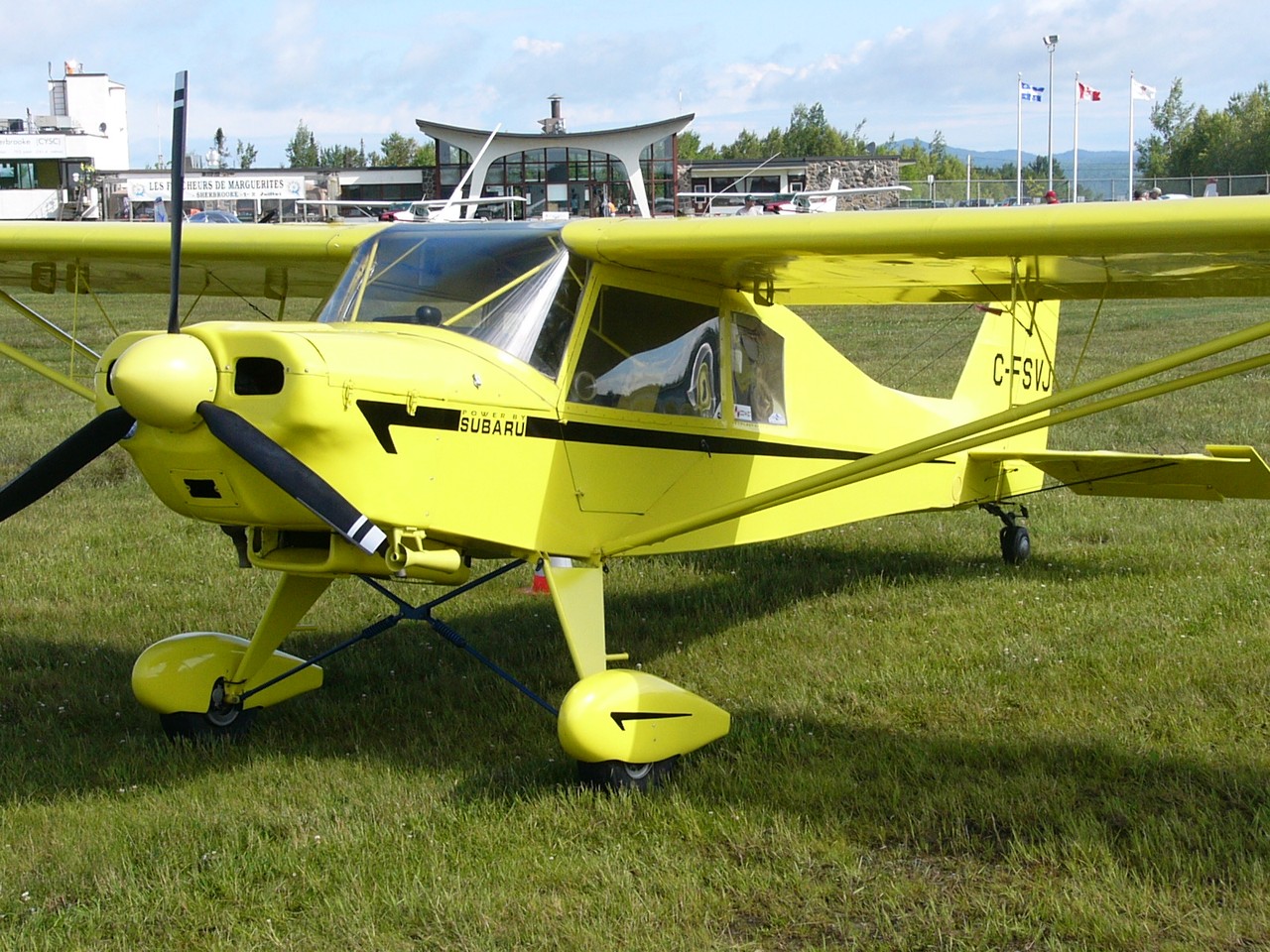
Design Philosophy and Construction
The Nordic 2 emerged from Jacques Norman's dedication to traditional ultralight construction methods at a time when many manufacturers were embracing modern composite materials. Norman Aviation specialized exclusively in aircraft featuring 4130 steel tube fuselages combined with wooden wing structures, all covered in doped fabric. This construction approach offered amateur builders the advantage of working with familiar materials and techniques that required standard metalworking and woodworking tools rather than specialized composite fabrication equipment.
The Norman Aviation Story
Jacques Norman founded Norman Aviation to produce his own designs alongside other aircraft that shared his preference for steel tube and wood construction. The company initially operated from Lévis, Quebec, before relocating to Saint-Anselme, Quebec, where it continued operations into the 2010s. Norman Aviation distinguished itself in the ultralight market by focusing on custom aircraft rather than mass production, allowing builders to modify designs to meet specific requirements.
The Nordic 2 formed part of an extensive Nordic family that included variants numbered from Nordic I through Nordic VII, plus specialized models like the Nordic 8 Mini Explorer. This systematic approach to design development allowed Norman Aviation to refine construction techniques and address different market segments within the ultralight community.
Production and Market Position
Norman Aviation offered the Nordic 2 in two configurations to accommodate different customer preferences and regulatory requirements. Amateur builders could purchase complete kits that included all necessary components, detailed plans, and construction manuals. For operators preferring immediate flight capability, the company also supplied factory-completed aircraft ready for delivery.
Production continued through 2012, though exact manufacturing numbers remain undocumented in available records. The aircraft received ICAO type designation NDIC with code number 95402, indicating sufficient production volume to warrant international recognition in aviation databases.
Aircraft Configuration
The Nordic 2's design emphasized simplicity and reliability over cutting-edge performance. The steel tube fuselage provided excellent crash protection while remaining relatively easy to repair in the field. Wooden wing construction offered favorable strength-to-weight characteristics and could be maintained using standard woodworking techniques available to most amateur builders.
Doped fabric covering reduced overall weight compared to metal skinning while providing adequate weather protection for the intended recreational flying role. This covering system also simplified repairs, as damaged sections could be patched or replaced without specialized equipment or factory support.
Operational History
At least one Nordic 2 achieved Canadian registration as C-IJLR, carrying construction number N87532R007. This aircraft was documented at Montréal–Saint-Lazare Airport (CST3), demonstrating the type's integration into Canada's recreational flying community. The aircraft's presence in the Canadian civil registry indicates successful completion of Transport Canada's amateur-built certification process.
The Nordic 2 found its primary market among recreational pilots seeking affordable access to aviation. Its conventional control systems and forgiving flight characteristics made it suitable for pilots transitioning from training aircraft to personal ownership. The type's steel and wood construction also appealed to builders who preferred working with traditional materials over modern composites.
Technical Characteristics
While specific performance data remains limited in available documentation, the Nordic 2's ultralight classification indicates compliance with relevant weight and speed restrictions. The aircraft's two-seat capability expanded its utility beyond solo recreational flying to include instruction and passenger-carrying roles within regulatory limitations.
The steel tube fuselage construction provided excellent longevity compared to some ultralight designs, with proper maintenance allowing decades of service life. Wooden wing components required periodic inspection for moisture damage and wood deterioration, but offered straightforward repair procedures when problems arose.
Legacy and Current Status
Norman Aviation continued operations into the 2010s, maintaining the Nordic 2 as part of its product line alongside other Nordic variants. The company's commitment to custom construction allowed continued production even as market demand for traditional ultralight designs declined relative to more modern alternatives.
The Nordic 2's documentation in international aviation databases ensures its recognition by aviation authorities worldwide, facilitating registration and operation in countries beyond Canada. While production numbers remained modest compared to mass-market ultralight designs, the aircraft established a reputation for solid construction and reliable operation within its intended role.
Today, the Nordic 2 represents an important chapter in Canadian ultralight development, demonstrating the viability of traditional construction methods in recreational aviation. Its steel and wood construction continues to attract builders preferring conventional techniques over modern composite fabrication methods.