
Design Evolution and Certification
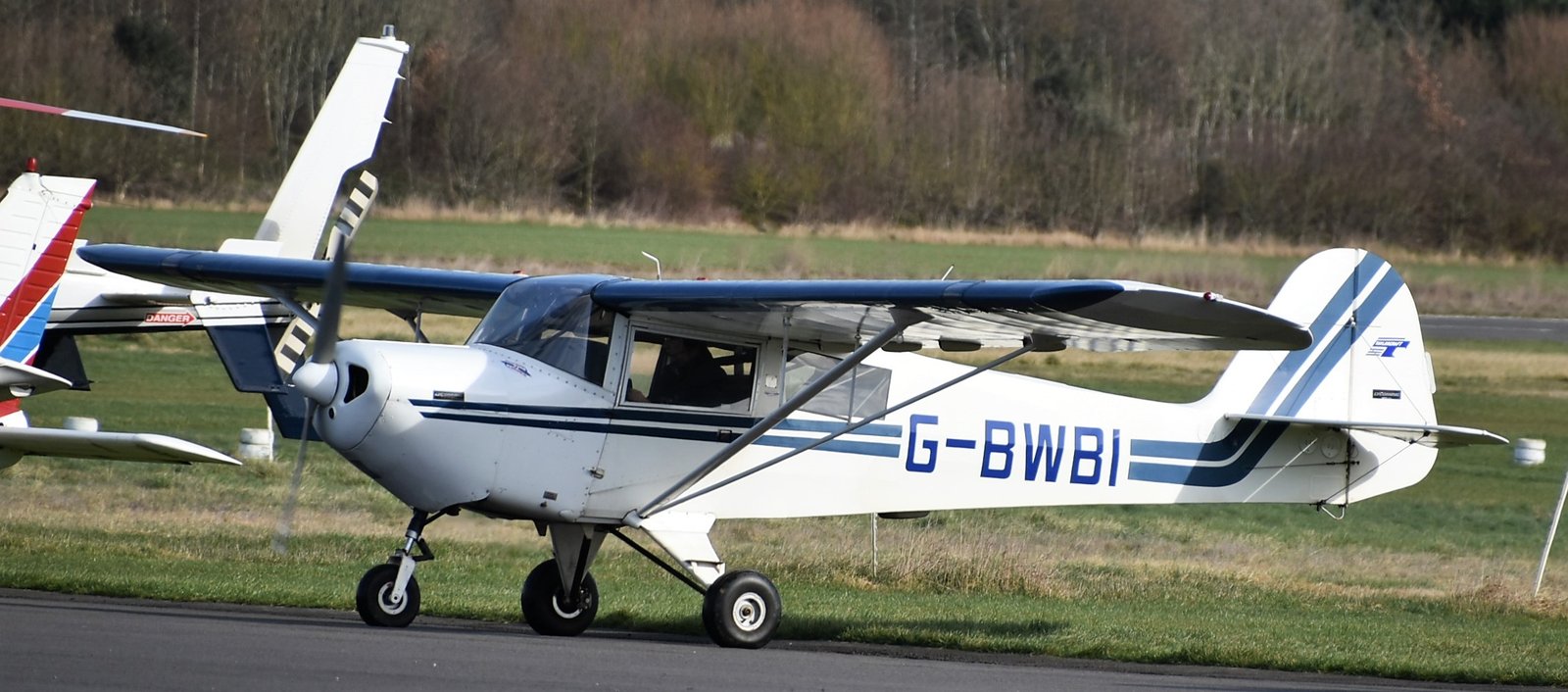
The F-22 emerged as a direct descendant of the F-21B, incorporating key improvements that addressed pilot feedback and market demands. According to the FAA Type Certificate Data Sheet, the F-22 was "basically a Model F-21B with the addition of wing flaps, wider doors, top-hinged windows, and fore and aft adjustable individual seats." The Federal Aviation Administration granted type certification on August 1, 1988, marking the beginning of a six-year production run that would span until 1994.
Charles Feris and his development team focused on enhancing pilot comfort and aircraft performance while maintaining the proven airframe geometry that had made Taylorcraft aircraft successful since the 1930s. The addition of wing flaps provided improved short-field performance, while the wider doors and top-hinged windows addressed long-standing pilot complaints about cabin access and visibility.
Production Variants and Specifications
Taylorcraft developed four distinct F-22 variants during the production period. The original F-22 utilized the 118-horsepower Lycoming O-235 four-cylinder, air-cooled engine, providing reliable performance for recreational flying. In 1991, the company introduced the F-22A, featuring tricycle landing gear to appeal to pilots preferring conventional ground handling characteristics.
The 1992 model year brought two additional variants: the F-22B bush plane powered by the 180-horsepower Lycoming O-360-A4M engine, and the F-22C, which combined the tricycle gear configuration with the more powerful engine. The F-22B became particularly popular among bush pilots operating in remote terrain, though aviation observers noted that "no self-respecting bush driver would be caught dead in a C-model," reflecting the traditionalist preference for tailwheel aircraft in backcountry operations.
Manufacturing History and Corporate Changes
Taylorcraft Aviation's path to the F-22 spanned decades of corporate upheaval and revival. The original company, founded by Charles Gilbert Taylor and his brother Gordon in the late 1920s, had achieved significant success with the Model A in 1936, building 356 aircraft in 1937 alone. However, post-World War II financial difficulties led to bankruptcy in 1957, ending the original company's operations.
Charles Feris revived the brand by obtaining FAA approval for the Continental O-200-A 100-horsepower engine and creating the Model F-19, which received type certification on July 3, 1973. Following Feris's death in 1973, his widow Doris continued operating the company through the F-22 development and production period at the Alliance, Ohio factory.
Bush Flying and Operational Service
The F-22B variant found particular favor among bush pilots and operators in remote locations due to its 180-horsepower powerplant and rugged construction. The aircraft's 1,750-pound maximum gross weight allowed for substantial payload capacity while maintaining the short-field performance characteristics essential for backcountry operations. The high-wing configuration provided excellent ground clearance and stability during rough-field operations.
Private owners appreciated the F-22's side-by-side seating arrangement, which distinguished it from tandem-seat competitors like the Piper Cub. The adjustable individual seats and improved cabin ergonomics made the aircraft suitable for extended cross-country flights, with a typical cruise speed of 110 knots providing efficient transportation for recreational pilots.
Modern Revival and Pricing
After the Alliance factory closure in 1994, the Taylorcraft design lay dormant until 2002, when Texas car dealer Harry Ingram purchased the type certificates and formed a new Taylorcraft Aviation company. Ingram established manufacturing operations at La Grange, Texas Airport in a converted cabinet factory, resuming F-22 production with updated equipment and processes.
By December 2004, the revived company offered four F-22 models with the following pricing structure: F-22 Classic at $59,995, F-22A Tracker at $63,995, F-22B Trooper at $69,995, and F-22C Ranger at $73,995. These prices reflected the aircraft's position in the general aviation market as an affordable alternative to more expensive manufactured aircraft.
Legacy and Continuing Operations
The F-22 represents the culmination of Taylorcraft's evolutionary design philosophy, combining traditional taildragger characteristics with modern improvements in comfort and performance. The aircraft's simple, robust construction has proven attractive to both recreational pilots and commercial operators requiring reliable transportation in challenging environments.
The design's enduring appeal is demonstrated by the successful revival of production in 2002, nearly a decade after the original manufacturing ceased. Current operators continue to value the F-22's combination of affordable acquisition costs, straightforward maintenance requirements, and versatile operational capabilities that make it suitable for everything from weekend recreational flying to serious backcountry transportation missions.