
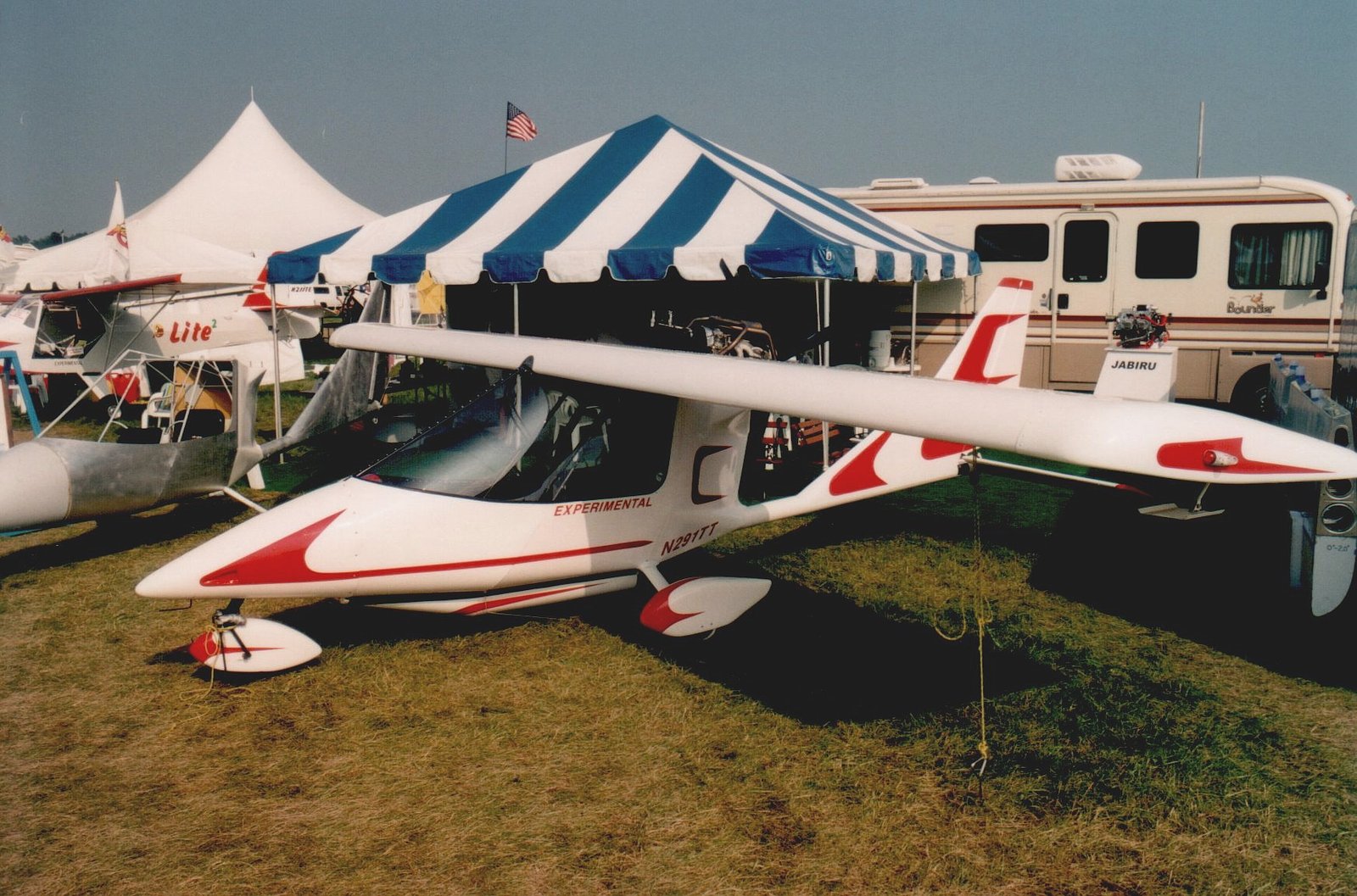
Development and Design
The Tornado SS emerged from designer John Williams' vision to create a versatile kit aircraft that exceeded the limitations of ultralight regulations while maintaining accessibility for amateur builders. Williams founded Titan Aircraft and began developing the original Tornado 103 in 1990, with the first variant entering production in 1994. The SS model represented an evolution of this design philosophy, targeting the homebuilt aircraft market with enhanced performance capabilities.
Williams designed the Tornado series around Rotax engine specifications, recognizing the Austrian manufacturer's reputation for reliability in light aircraft applications. The SS variant specifically accommodates the Rotax 912ULS powerplant, though the airframe accepts engines ranging from 50 to 80 horsepower, providing builders flexibility in their configuration choices.
Technical Specifications and Performance
The Tornado SS employs a cantilever high-wing configuration with pusher propeller arrangement, placing the engine behind the cabin for improved forward visibility and reduced noise in the cockpit. The tricycle landing gear provides stable ground handling characteristics essential for pilots transitioning from traditional aircraft configurations.
Powered by the 100-horsepower Rotax 912ULS four-stroke engine, the SS delivers a cruise speed of 120 miles per hour, making it suitable for cross-country recreational flying. The tandem seating arrangement accommodates two occupants while maintaining the aircraft's compact 23.5-foot wingspan, optimizing hangar space requirements for private owners.
Construction time averages 350 hours, positioning the Tornado SS in the middle range of kit aircraft building projects. This timeframe appeals to amateur builders seeking a substantial project without the multi-year commitment required by more complex designs.
Manufacturing and Production
Titan Aircraft, originally established in Geneva, Oklahoma, before relocating to Austinburg, Ohio, has maintained continuous production of Tornado variants since 1994. The company has manufactured at least 412 aircraft across all Tornado models, with documented SS production continuing through the mid-2000s, as evidenced by a 2005 example bearing tail number N329SA.
John Williams continues leading the company, maintaining the original design philosophy while adapting to evolving regulations and market demands. The Tornado family's longevity reflects both the soundness of the original design and the manufacturer's commitment to ongoing support for builders and operators.
Operational History
The Tornado SS serves exclusively in civilian roles, marketed to recreational pilots and aviation enthusiasts seeking performance beyond ultralight capabilities without the complexity of larger aircraft. The design's pusher configuration and high-wing layout provide excellent visibility for recreational flying and basic aerobatic maneuvers within approved limitations.
By 2011, approximately 55 Tornado aircraft of various models were actively flying, demonstrating the type's successful integration into the amateur-built aircraft community. The SS variant's cruise speed and range capabilities make it suitable for regional recreational flying and participation in fly-in events popular among experimental aircraft owners.
Engine Technology
The Rotax 912ULS represents significant advancement in light aircraft powerplant technology, offering four-stroke reliability with reduced fuel consumption compared to traditional two-stroke ultralight engines. This Austrian-manufactured engine features dual ignition systems and liquid cooling for consistent performance across varying operating conditions.
The engine's 100-horsepower output provides ample power for the Tornado SS's weight category while maintaining fuel efficiency essential for recreational flying economics. The Rotax 912 series' widespread adoption across multiple aircraft manufacturers demonstrates its proven reliability in the experimental aircraft market.
Current Status and Legacy
While Titan Aircraft continues producing other Tornado variants, the SS model's current production status remains unclear from available records. The design's influence persists within the kit aircraft community, representing successful integration of modern engine technology with proven airframe configuration.
The Tornado SS exemplifies the evolution of kit aircraft from basic ultralight designs toward more sophisticated recreational aircraft capable of practical cross-country flight. Its development bridged the gap between ultralight limitations and traditional general aviation aircraft complexity, creating a niche that continues influencing contemporary kit aircraft design philosophy.