

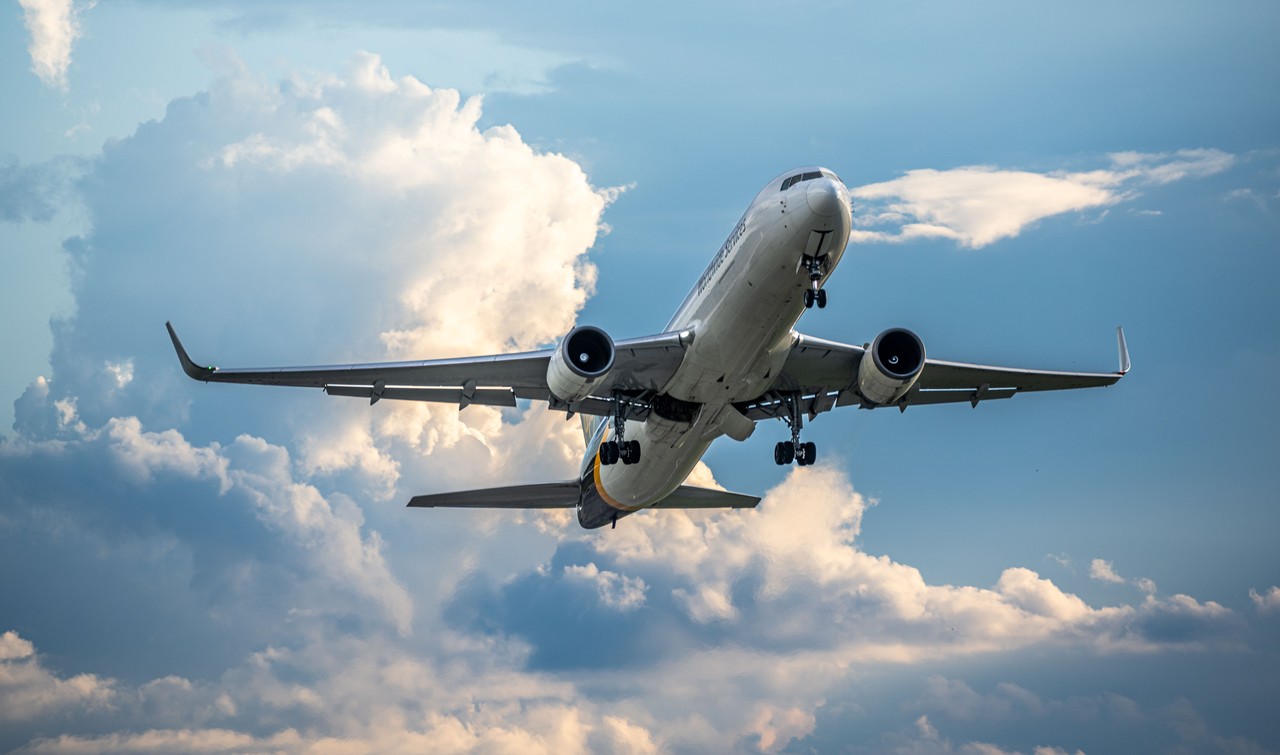
The Boeing 767-300, a highly successful wide-body airliner that fundamentally transformed commercial aviation by proving twin-engine jets could reliably operate long-range international routes, first flew as part of the 767 program in 1981 with the stretched variant entering service in 1986. This low-wing twin-engine aircraft features a wide-body configuration seating up to 290 passengers in maximum capacity or 261 in typical two-class layouts. Measuring approximately 54.8 meters in length with a twin-aisle design, the aircraft became the second wide-body to reach 1,000 deliveries. Boeing developed this variant as an extended version of the original 767-200 at their Everett, Washington facility.
View in Encyclopedia| HEX CODE | |||||
|---|---|---|---|---|---|
LN-??? | Air Astana | — | 42223 | Norway | 48435A |
| Air Astana | — | 42220 | Kingdom of the Netherlands | 4844a0 | |
| Air Astana | — | 42221 | Kingdom of the Netherlands | 48411e |
LN-???
Air Astana
S/N: 42223NorwayHex: 48435A
P4-KEA
Air Astana
S/N: 42220Kingdom of the NetherlandsHex: 4844a0
P4-KEB
Air Astana
S/N: 42221Kingdom of the NetherlandsHex: 48411e