
A Bold Replacement Strategy
Cessna Aircraft Company made a remarkable gamble in 1968 when it discontinued production of its highly successful 172 Skyhawk, betting that the new Cardinal would capture the market with its modern design and enhanced capabilities. The strategy backfired spectacularly when the Cardinal's initial sales proved disappointing, forcing Cessna to restart 172 production and relegating the Cardinal to a secondary role in the company's lineup.
Engineering Innovation Meets Market Reality
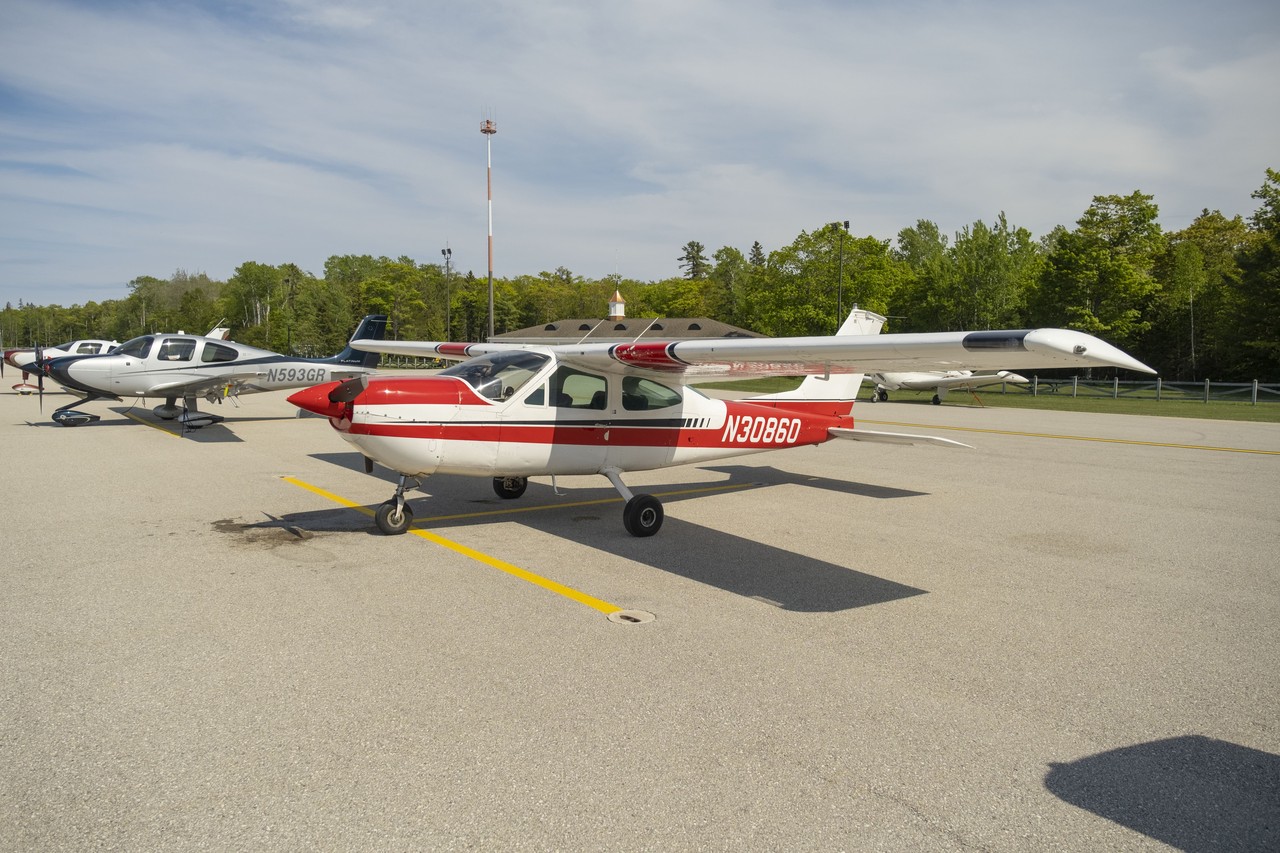
Cessna's engineering team designed the Cardinal with several advanced features that distinguished it from contemporary general aviation aircraft. The cantilever wing eliminated the external struts typical of Cessna designs, providing cleaner aerodynamics and unobstructed ground visibility. The aircraft featured an all-flying stabilator for pitch control, though early versions proved overly sensitive for many pilots. A more spacious cabin with large windows offered significantly better visibility than the 172, while the sleek fuselage lines gave the Cardinal a distinctly modern appearance.
The aircraft's fatal flaw emerged immediately upon introduction: the original 1968 model's 150-horsepower Lycoming O-320-E2D engine was severely underpowered for the airframe. Cessna had designed the aircraft for a 180-horsepower powerplant but ordered 2,000 of the smaller engines to meet production deadlines. This decision resulted in anemic performance with a climb rate of just 670 feet per minute and a maximum cruise speed of 125 knots, disappointing pilots expecting better performance than the cheaper 172.
Power Improvements and Variants
Recognizing the power deficiency, Cessna upgraded the Cardinal in 1969 with the 177A model, featuring a 180-horsepower Lycoming O-360 engine and constant-speed propeller. This modification increased the climb rate by 90 feet per minute and improved cruise performance to 134 knots. The 177B, introduced later, maintained the 180-horsepower engine while adding refinements and optional equipment.
The most successful Cardinal variant proved to be the 177RG, introduced in 1971 with retractable landing gear and a 200-horsepower fuel-injected Lycoming IO-360 engine. Despite weighing 145 pounds more than the fixed-gear version due to the retraction system, the 177RG achieved a maximum cruise speed of 148 knots and a climb rate of 925 feet per minute. The retractable-gear model found favor among pilots seeking performance comparable to the Piper PA-28-200R Arrow and Beechcraft Sierra.
Manufacturing and Production
Cessna manufactured all Cardinal variants at its Wichita, Kansas facilities, with additional 177RG production occurring at Reims Aviation in France under license. Production totals remain somewhat disputed among sources, with figures ranging from 2,752 to 4,295 units across all variants. The 177RG accounted for 1,543 aircraft, representing the most popular version among buyers willing to accept the complexity of retractable gear for improved performance.
In 1978, Cessna introduced the Cardinal Classic as a final attempt to boost sales, featuring leather upholstery, a rear passenger table, and 28-volt electrical systems. However, production ended that same year as the Cardinal failed to achieve the commercial success Cessna had anticipated.
The Cessna Legacy
Cessna Aircraft Company, founded by Clyde Cessna in 1927, had established itself as a pioneer in light aircraft design with models like the 172 Skyhawk dominating the training and personal flying markets. The company's bold decision to replace the 172 with the Cardinal demonstrated both innovative thinking and market miscalculation. Cessna continued operations independently until 1992, when Textron Corporation acquired the company. Today, Textron Aviation continues the Cessna brand, though the Cardinal remains a footnote in the company's history of successful designs.
Pilot Experience and Performance
Pilots appreciated the Cardinal's spacious cabin, excellent visibility, and stable flight characteristics once power improvements addressed the initial performance shortcomings. The aircraft's wide-opening doors and low wing loading made it comfortable for cross-country flights, while the stabilator provided effective pitch control after early sensitivity issues were resolved through design modifications.
The 177RG particularly appealed to pilots seeking retractable-gear experience without the complexity of twin-engine aircraft. With a service ceiling of 17,100 feet and useful loads exceeding 1,100 pounds, the RG variant offered genuine cross-country capability that justified its higher acquisition and maintenance costs.
Current Status and Legacy
Hundreds of Cardinals remain active in the general aviation fleet today, maintained by dedicated owners who appreciate the aircraft's unique characteristics and solid construction. While never achieving the widespread adoption Cessna envisioned, the Cardinal influenced subsequent light aircraft designs through its cantilever wing technology and emphasis on cabin comfort. The aircraft serves as a reminder that superior engineering alone cannot guarantee market success when pricing, timing, and customer expectations align against a new design.