
Service History
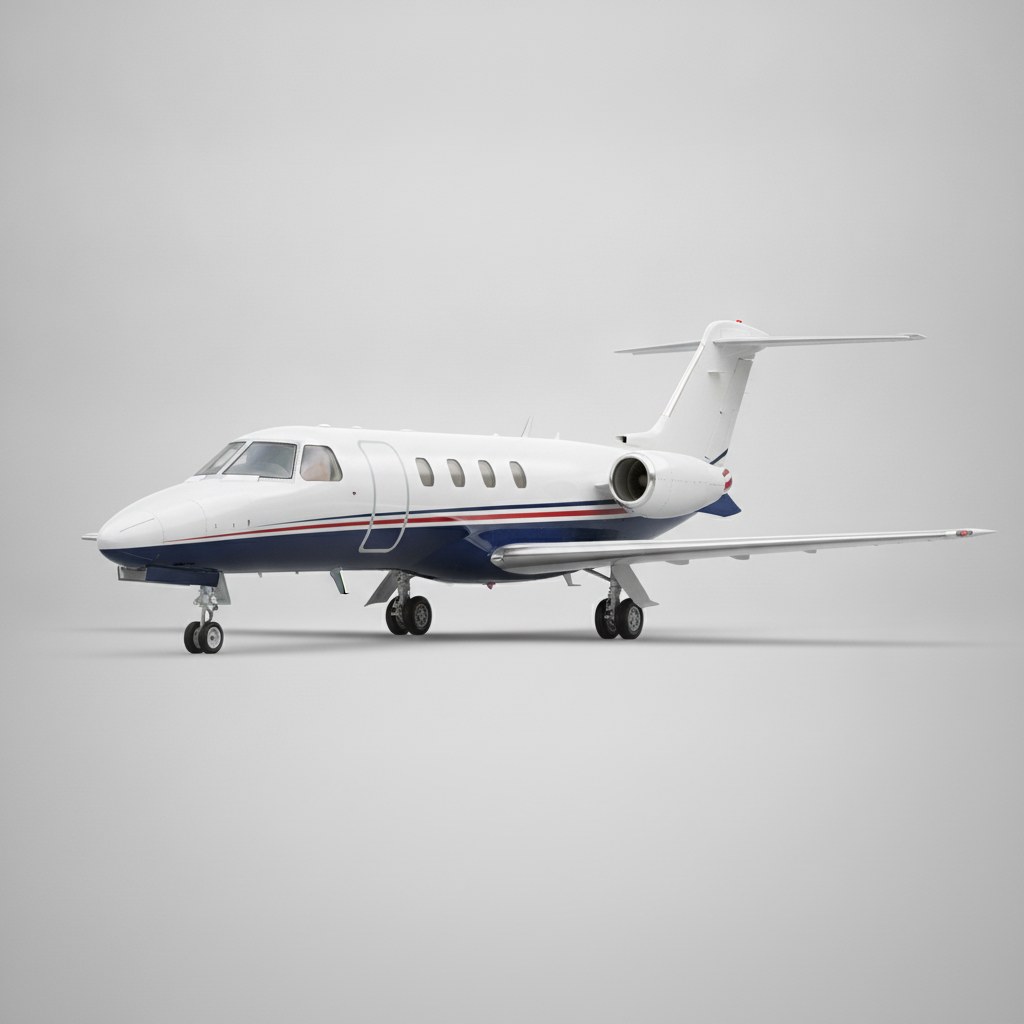
The Citation VII dominated the mid-size business jet market during its eight-year production run, becoming the most popular variant of the Citation 650 series. Its combination of transcontinental range capability and shorter runway performance made it ideal for corporate flight departments and charter operators seeking to access both major airports and smaller airfields. The aircraft could fly nonstop from New York to Houston or from London to most European destinations, establishing it as a workhorse for international business travel.
The Manufacturer
Cessna Aircraft Company, founded in 1927 in Wichita, Kansas, had established itself as a leader in general aviation by the time the Citation VII entered production. The company launched its Citation jet family in 1969 with the original Citation I, and by 2022, the Citation line had delivered over 8,000 aircraft accumulating more than 41 million flight hours. Cessna became part of Textron Aviation following corporate consolidations, but continues operations from its historic Kansas facilities where the Citation VII was manufactured.
Engine & Technical Innovation
The Citation VII's two Honeywell TFE731-4R-2 turbofan engines incorporated digital electronic engine controls (DEECs), representing cutting-edge technology for the early 1990s. These DEECs served as precursors to modern FADEC systems, automatically protecting against engine overspeed and overtemperature conditions, particularly during critical takeoff phases. The 4,140-pound thrust rating of each engine enabled operations from high-altitude airports during hot weather conditions where other mid-size jets might struggle with performance limitations.
The aircraft's design philosophy centered on enhancing the proven Citation III platform through increased thrust, higher maximum takeoff weight, and advanced avionics integration. The result was an 18-minute climb time to 37,000 feet and a balanced field length requirement of just 5,170 feet, exceptional performance for an aircraft of its size and capability.
Pilot Perspective
Pilots appreciated the Citation VII's advanced five-tube Honeywell electronic flight instrument system (EFIS), which provided superior situational awareness compared to traditional analog instruments. The optional dual Honeywell GNS-X flight management systems offered precise navigation capabilities, while the Honeywell SPZ-8000 autopilot and flight director system reduced pilot workload during long flights.
The aircraft typically cruised at 460 knots true airspeed at flight level 410, burning approximately 1,700 pounds of fuel per hour. Its certified ceiling of 51,000 feet allowed operations above most weather and commercial traffic, contributing to both efficiency and passenger comfort. The extensive soundproofing implemented throughout the cabin ensured a quiet environment that became a Citation VII hallmark.
Production & Legacy
Cessna manufactured exactly 119 Citation VII aircraft during its production span from 1992 to 2000, when the model was discontinued to make way for the larger Citation Sovereign. Each aircraft featured a cabin measuring 18.4 feet in length, 5.5 feet in width, and 5.7 feet in height, providing 438 cubic feet of passenger space. The standard configuration accommodated eight passengers, though a ninth seat could be installed in the enclosed lavatory area.
The baggage compartment capacity for five suitcases, combined with amenities including a mini-bar, coffee maker, telephone, and enclosed lavatory, established new standards for mid-size business jet comfort. These features helped justify the aircraft's position as a premium offering in Cessna's lineup.
Today, Citation VII aircraft remain active in the charter and corporate flight markets, testament to their robust design and continued operational relevance. The model's success contributed to Cessna's dominance in business aviation and helped establish design principles that influenced subsequent Citation developments. While production ended over two decades ago, the Citation VII's combination of performance, comfort, and reliability ensures its continued presence in the active business jet fleet, where it serves operators seeking proven mid-size jet capability with transcontinental range.