
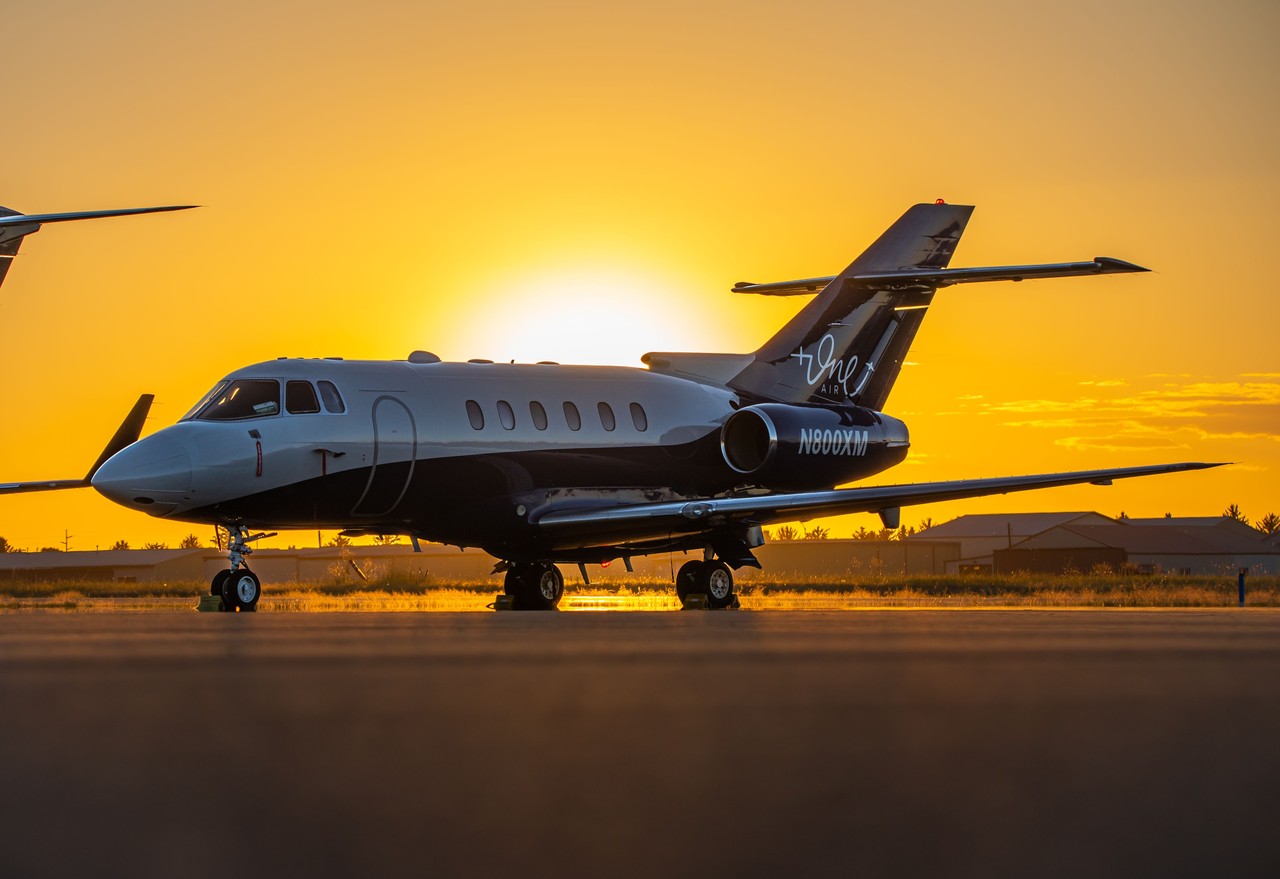
The Final Evolution
The Hawker 850XP emerged in 2006 as the ultimate expression of a corporate jet dynasty that began with the de Havilland DH-125's maiden flight in August 1962. Unlike its predecessors, the 850XP introduced Hawker's proprietary blended winglets—the first in the series to feature this technology. These aerodynamic enhancements delivered a substantial 100-nautical-mile range increase over the 800XP while improving time-to-climb performance by 8 percent.
Market Dominance and Production Success
Despite its brief production window from 2006 to 2009, the 850XP capped off one of business aviation's most successful programs. The broader Hawker 800 series achieved remarkable market penetration, reaching 200 sales in approximately five years—a pace that dramatically outstripped the original 125 series, which required 19 years to sell 500 airframes. At launch, the 850XP commanded $13,786,100 per unit, positioning it as a premium offering in the mid-size corporate jet market.
Manufacturing Heritage and Corporate Evolution
The aircraft's production exemplified international aerospace collaboration. Sub-assemblies including fuselage sections, wings, and control surfaces originated from United Kingdom facilities operated by Hawker Beechcraft and Airbus UK. Final assembly, systems integration, and flight testing occurred at Hawker Beechcraft's primary manufacturing facility in Wichita, Kansas.
The corporate lineage behind the 850XP reads like a history of aerospace consolidation. De Havilland's original design became the Hawker Siddeley HS.125 in 1964, then the British Aerospace 125 in 1977 following industry mergers. Raytheon's 1993-1994 acquisition of BAe Corporate Jets created Raytheon Aircraft, which marketed the evolved design as the Hawker 800 series. By March 2007, Goldman Sachs Alternatives and Onex Partners acquired the aircraft business, forming Hawker Beechcraft Corporation. The type certificate eventually transferred to Beechcraft Corporation in 2013, which became part of Textron Aviation in 2014.
Powerplant and Performance
Two Honeywell TFE731-5BR turbofan engines, each producing 4,660 pounds of thrust, powered the 850XP. This represented a significant upgrade from earlier variants that employed less powerful Garrett engines. The new powerplants consumed 277 gallons per hour per engine while delivering enhanced cruise performance and improved takeoff capabilities.
With a maximum takeoff weight of 12,701 kilograms, the 850XP achieved a maximum speed of 448 knots and typically cruised at 463 knots at Mach 0.86. The aircraft's 43,000-foot service ceiling and 2,642-nautical-mile range with four passengers met NBAA IFR standards, making it capable of transcontinental flights.
Operational Excellence
The 850XP accommodated eight passengers in typical configuration, though high-density arrangements could seat up to 13. A two-person flight crew operated the aircraft using advanced glass cockpit technology that represented a significant modernization from earlier analog systems in the lineage.
Maintenance intervals reflected modern reliability standards, with 2,100-hour MPIs (Maintenance Planning Intervals) and 4,200-hour CZIs (Calendar Zone Intervals). Optional service bulletins allowed operators to extend these intervals to 2,500 and 5,000 hours respectively, reducing operational costs.
Limited Production and Lasting Impact
Raytheon manufactured exactly 100 Hawker 850XPs during the model's three-year production run, making it one of the most exclusive business jets ever produced. Remarkably, 99 aircraft remain operational today, with 97 under single ownership and two in shared arrangements. The global fleet distribution reflects the aircraft's international appeal: 63 percent operate in North America, 17 percent in Asia, and 11 percent in Europe.
The 850XP filled the market void created when Hawker 1000 production ceased, offering comparable cabin space with superior fuel efficiency and operating economics. Its introduction marked the final chapter in a production program that spanned nearly five decades and multiple corporate ownership changes.
Legacy and Current Status
Production ended in 2009 with no subsequent variants developed, making the 850XP the definitive final evolution of the Hawker 800 family. Textron Aviation continues supporting the fleet through comprehensive upgrade programs, including the Hawker 800XPR enhancement package available to all 800-series operators.
The 850XP's 99-percent survival rate demonstrates exceptional build quality and operator satisfaction. As corporate aviation evolved toward larger, longer-range aircraft, the 850XP represented the pinnacle of mid-size business jet development, incorporating six decades of continuous refinement into a final, highly capable platform that continues serving operators worldwide.