
Brief but Influential Production Run
The Cessna 205 enjoyed remarkable commercial success despite its abbreviated production span from 1963 to 1964. Introduced late in 1962 as a 1963 model, the aircraft found immediate market acceptance with more than 400 units sold in its debut year. However, customer preferences quickly shifted toward greater capability, leading Cessna to discontinue the 205 after manufacturing exactly 576 aircraft, numbered serially from 1 through 577.
The aircraft's rapid replacement by the Cessna 206 in 1964 demonstrated the dynamic nature of the general aviation market. While the 205 sold 96 units in its final production year, the new 206 with its 285-horsepower engine and distinctive 42-inch cargo door captured 276 sales at a base price of $22,950.
Design Philosophy and Development
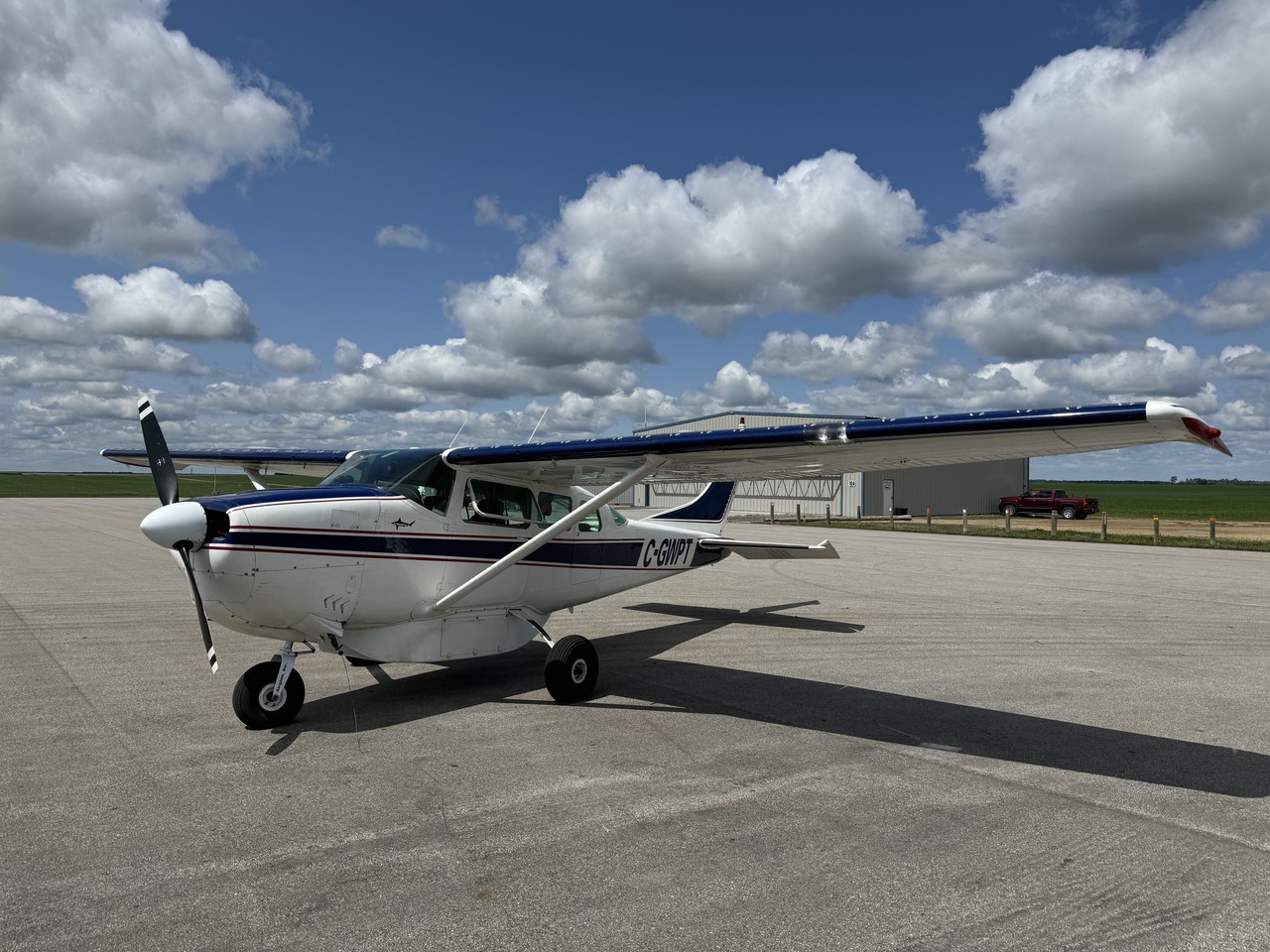
Cessna engineers conceived the 205 as essentially a Cessna 210 with fixed landing gear, officially designating it as the "Model 210-5." This approach allowed the company to offer the 210's proven airframe and cabin space while eliminating the complexity and maintenance requirements of retractable gear. The decision proved prescient for operators requiring maximum utility and minimum maintenance overhead.
The prototype underwent extensive certification testing, accumulating more than 3,739 takeoffs and landings plus hundreds of flight hours before receiving approval on June 14, 1962. This thorough testing regimen established the aircraft's reputation for reliability that would characterize the entire Stationair family.
Powerplant and Performance
The Continental IO-470-S engine provided 260 horsepower through a fuel-injected, horizontally opposed six-cylinder configuration. This powerplant delivered adequate performance for the aircraft's 3,300-pound gross weight, enabling a cruise speed of 138 mph and a maximum speed of 145 mph. With 65 gallons of fuel capacity, the 205 achieved a range of 515 miles under normal cruise conditions.
The engine's 1,500 to 1,700-hour overhaul interval and 12-year calendar limit provided reasonable operating economics for the era. Later modifications became available through field approvals for the 285-horsepower Continental IO-520-A engine and supplemental type certificates for the 300-horsepower IO-550, allowing owners to enhance performance as mission requirements evolved.
Operational Versatility
The 205's high-wing, cantilever design and robust construction made it particularly suitable for bush flying operations in remote locations. Its impressive useful load of approximately 1,550 pounds nearly equaled the aircraft's 1,750-pound empty weight, providing exceptional payload flexibility. This capability, combined with the aircraft's ability to accommodate floats, amphibious floats, or skis, established its reputation as a genuine utility aircraft.
Commercial operators quickly recognized the 205's potential for specialized missions including skydiving operations, aerial photography, and passenger transport in challenging environments. The six-passenger cabin provided adequate space for personnel transport while maintaining the structural integrity necessary for demanding operational conditions.
The Stationair Legacy
Although produced for only two model years, the 205 established the foundation for what would become one of general aviation's most enduring aircraft families. The design principles proven in the 205—rugged construction, generous payload capacity, and operational simplicity—carried forward through the 206 and 207 variants. Cessna marketed these aircraft under various names including Super Skywagon, Skywagon, and Super Skylane before settling on the Stationair designation.
From 1962 to 2006, Cessna produced 8,509 aircraft in the combined 205, 206, and 207 series. After ceasing single-engine production in 1984, the company resumed 206 manufacturing in 1997, demonstrating the design's lasting commercial viability. The aircraft family remains in production today, testament to the soundness of the original 205 concept.
Identity and Recognition
The 205's visual similarity to both the retractable-gear 210 and its successor, the 206, frequently causes identification confusion among pilots and air traffic controllers. This resemblance occasionally results in radio communications using incorrect model designations, particularly confusion with the 210 series.
Despite its brief production run, the 205 earned recognition as the "sport-utility vehicle of the air," a description Cessna continues to use for the current Stationair line. This characterization accurately captures the aircraft's blend of utility, reliability, and versatility that made it successful in roles ranging from luxury personal transport to demanding commercial operations in remote locations.