
The Fieseler Fi 103, widely recognized as the V-1 flying bomb, represents one of the earliest examples of a cruise missile. Developed in Nazi Germany, the weapon was designated as Vergeltungswaffe 1 (Vengeance Weapon 1) and was specifically intended for the terror bombing of London and other urban centers. The project was led by designer Robert Lusser, who developed a platform capable of delivering high-explosive payloads without a crew. Due to its distinctive sound and operation, Allied forces referred to the missile by nicknames such as the "buzz bomb" and the "doodlebug."
Technically, the V-1 was powered by a single Argus As 109-014 pulsejet engine. This propulsion system allowed the missile to reach a maximum speed of approximately 640 km/h (400 mph) while flying at altitudes between 600 and 900 meters. The aircraft had a total launch weight of roughly 2,150 kg, which included a high-explosive warhead weighing approximately 850 kg. Its physical dimensions were characterized by a length of about 8.32 meters, a wingspan of 5.37 meters, and a height of 1.42 meters. Guidance was achieved through a gyrocompass-based autopilot system, allowing it to fly a predetermined course over a range of roughly 250 km (160 mi), depending on fuel and configuration.
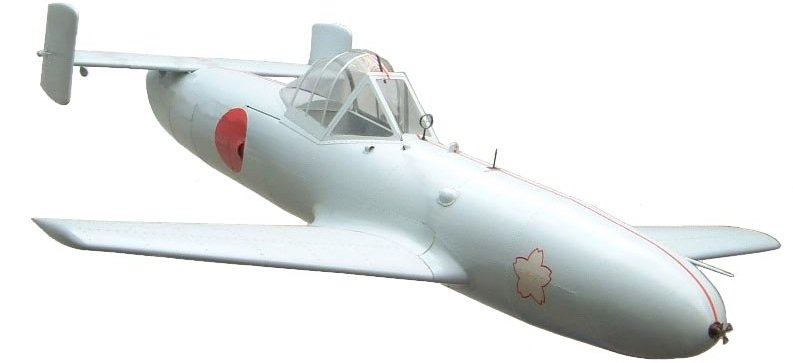
In operational use with the Luftwaffe from 1944 to 1945, the V-1 served as a precursor to modern unmanned aerial weapons. Beyond the standard unmanned version, several variants were explored. The Fi 103R "Reichenberg" was a piloted version intended for suicide or high-risk attacks. Additionally, conceptual versions utilizing the Porsche 109-005 turbojet, which provided approximately 500 kgf of thrust, were studied, although these were not deployed. It is important to note that while the V-1 is a prominent example of a "flying bomb," there is no documented ICAO aircraft type designator associated with this weapon in official databases such as Doc 8643.