
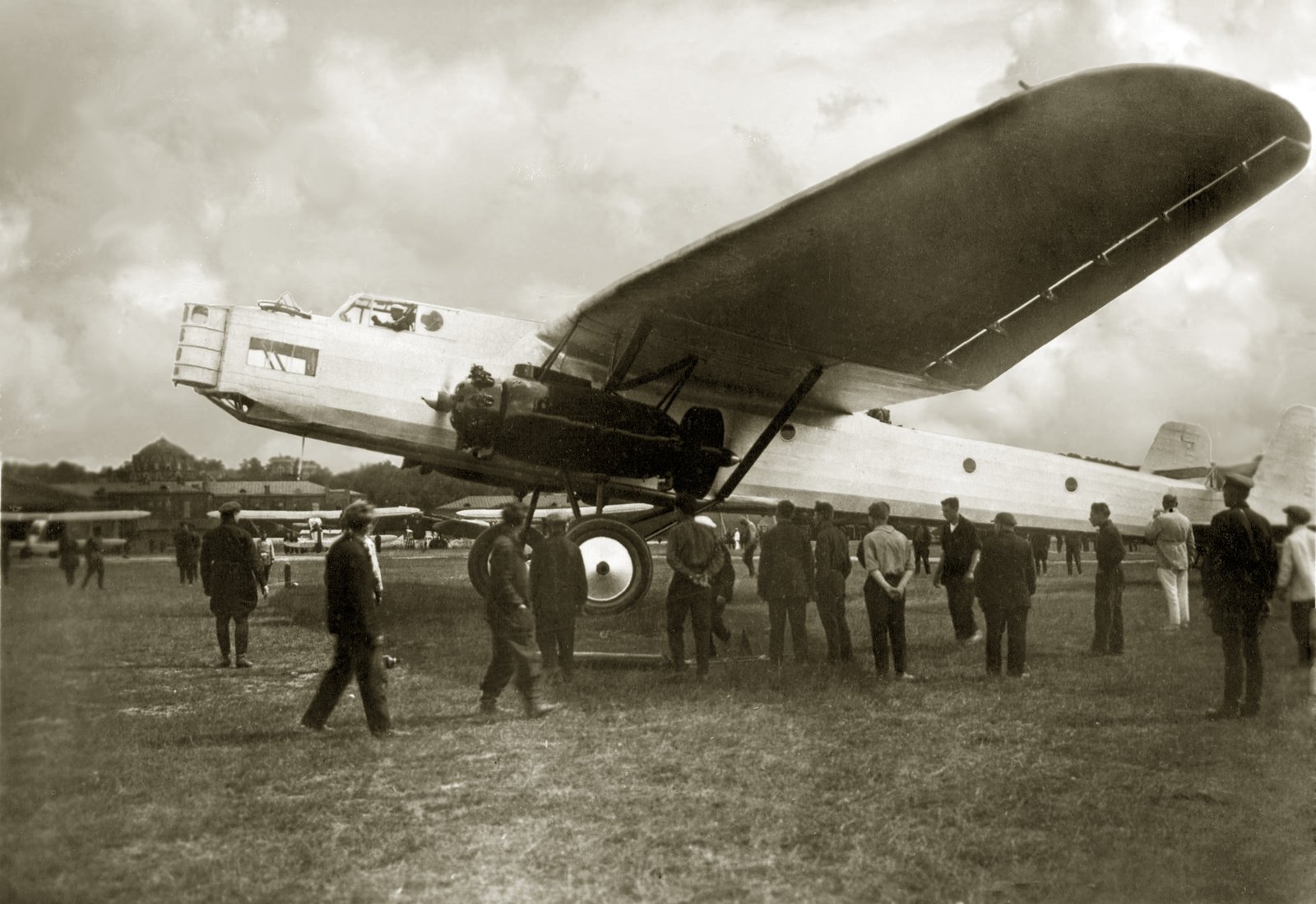
The aircraft identified as the Moscow Aviation Plant № 39 TB-5 lacks verifiable historical documentation within the available research records. While the designation suggests a Soviet-era origin, there is no confirmed evidence regarding its design, technical specifications, or operational history. The provided data indicates that the premise of a 'TB-5' produced by this specific entity may be misidentified, as no such model is listed in the historical archives provided for review.
Contextual information regarding the manufacturer reveals that Moscow Aviation Plant No. 39 was later associated with the Irkutsk Aviation Plant No. 39. By the 1960s, this facility became a site for significant Soviet aircraft production. Specifically, records from Yakovlev indicate that mass production commenced at the Irkutsk Aviation Plant No. 39 in 1960, resulting in the manufacture of 1,140 aircraft under a specific program, though this program is not identified as the TB-5.
Further institutional history shows that the Moscow Aircraft Production Association (MAPO) served as a primary state-owned military aircraft manufacturer in Russia. MAPO's origins are rooted in the broader restructuring of the Soviet aviation industry. Within this industrial framework, other facilities were established to support national defense and aviation goals, such as Plant #30, which was founded in 1939 in the city of Dubna.
Because there is no evidence of a TB-5 aircraft's first flight, engine configuration, or service history, it cannot be categorized by role or performance metrics. The absence of data regarding designers or surviving examples suggests that the TB-5 may be a misnomer or a prototype that left no verifiable trace in the provided documentation. Consequently, the aircraft's legacy is undefined, and its existence remains unconfirmed relative to the known output of the Irkutsk and Moscow production facilities.