
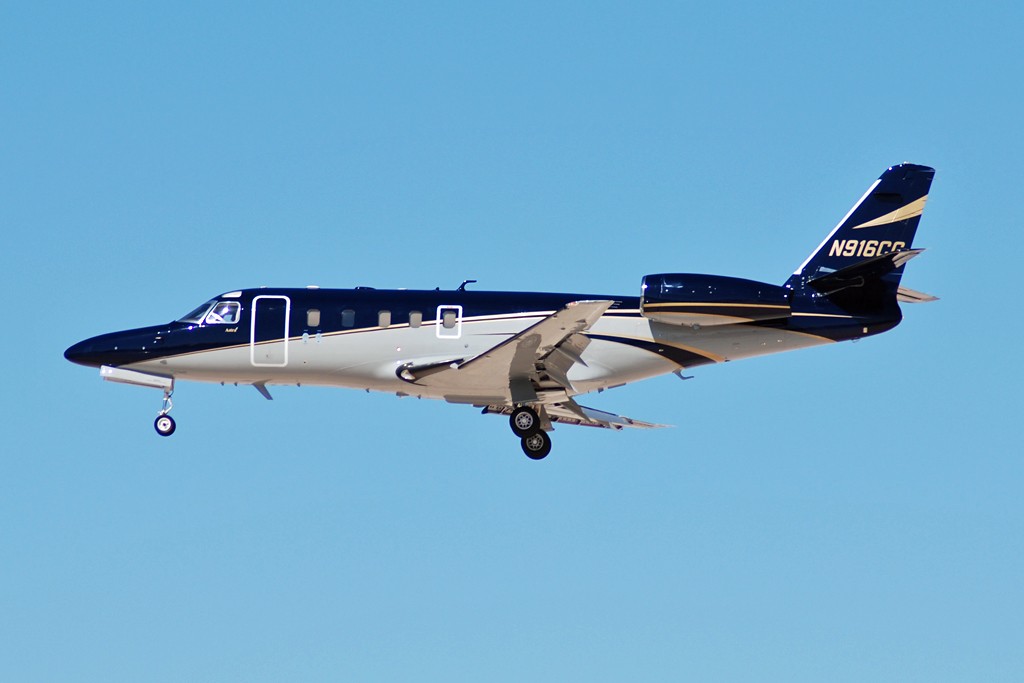
Market Dominance in Mid-Size Business Aviation
The Astra carved out a significant niche in the competitive mid-size business jet market during its two-decade production run. From 1986 through 2005, the aircraft proved its commercial viability through continuous evolution across four major variants, ultimately attracting the attention of industry giant Gulfstream Aerospace, which acquired the program in 2001 and continued production for four additional years.
Development and Design Innovation
Israel Aerospace Industries initiated the Astra program in the late 1970s as a complete departure from their successful but aging Westwind design. While the Westwind featured an unconventional mid-wing configuration inherited from the original Jet Commander, the Astra adopted a more conventional low-wing layout with engines mounted high and far back on the fuselage to minimize cabin noise. Only the tail unit survived from the Model 1124 Westwind design, making the Astra essentially an all-new aircraft.
The prototype achieved first flight on March 19, 1984, followed by the first production aircraft on March 20, 1985. The Federal Aviation Administration granted certification on August 29, 1985, enabling customer deliveries to begin in 1986. This rapid development cycle demonstrated IAI's growing expertise in business jet design and manufacturing.
Production Evolution and Variants
The original IAI 1125 Astra entered production in 1986 with twin Garrett TFE731-3A-200G turbofans producing 3,700 pounds of thrust each. Thirty-two aircraft were completed through 1989, establishing the type's reputation for reliability and performance in the executive transport role.
Recognizing opportunities for improvement, IAI announced the Astra SP in 1989, incorporating modified aerodynamics that increased range by 53 nautical miles, along with upgraded avionics and revised interior appointments. Production of 36 to 37 Astra SP aircraft continued into the 1990s, maintaining steady market demand.
The most significant upgrade came with the Astra SPX, which first flew in August 1994. This variant featured more powerful Honeywell TFE731-40R-200G engines producing 4,250 pounds of thrust each, along with distinctive winglets and increased maximum weights. The enhanced powerplant and aerodynamic improvements substantially improved range and performance characteristics.
Gulfstream Acquisition and Continued Success
In 2001, Gulfstream Aerospace acquired Galaxy Aerospace, which held the Astra type certificate, marking a pivotal moment in the program's history. From September 2002, the Astra SPX was remarketed as the Gulfstream G100, bringing the prestige of the Gulfstream brand to IAI's proven design. This transition demonstrated the aircraft's fundamental soundness and market appeal.
Under Gulfstream ownership, production continued with the same Israeli manufacturing base, combining IAI's established production expertise with Gulfstream's global sales and support network. A total of 77 Astra SPX and G100 aircraft were produced, representing the most successful phase of the program.
The Manufacturing Legacy
Israel Aerospace Industries' development of the Astra represented a significant achievement for the Israeli aerospace industry. IAI had entered the business jet market in 1968 by acquiring the Jet Commander design and transforming it into the successful Westwind series. The Astra program demonstrated the company's evolution from license manufacturer to original equipment manufacturer capable of competing with established American and European rivals.
The aircraft were manufactured entirely in Israel, showcasing the country's growing aerospace capabilities and export potential. This domestic production provided significant economic benefits and established Israel as a credible source for sophisticated business aircraft.
Technical Specifications and Performance
The Astra's cabin dimensions of 17.1 feet in length, 4.9 feet in width, and 5.6 feet in height provided comfortable accommodations for eight passengers in typical configuration, with high-density arrangements accommodating up to ten passengers. Executive VIP configurations featured fewer seats with enhanced comfort amenities.
The aircraft's low-wing configuration and rear-mounted engines created an optimal balance of performance and passenger comfort, while the swept-wing design provided efficient high-speed cruise characteristics essential for business aviation missions.
End of Production and Successor
Production of the G100 ended in 2005 following certification of its successor, the Gulfstream G150. The final G100 was delivered in mid-2017, marking the end of more than three decades of continuous evolution from the original Westwind through the Astra family. The program's longevity and successful transition between manufacturers testified to the fundamental soundness of the original IAI design concept and its continued relevance in the competitive business aviation market.
The Astra's legacy endures in the continued operation of approximately 145 aircraft worldwide, representing one of the most successful international business jet programs and establishing Israel Aerospace Industries as a permanent presence in the global executive aviation industry.