
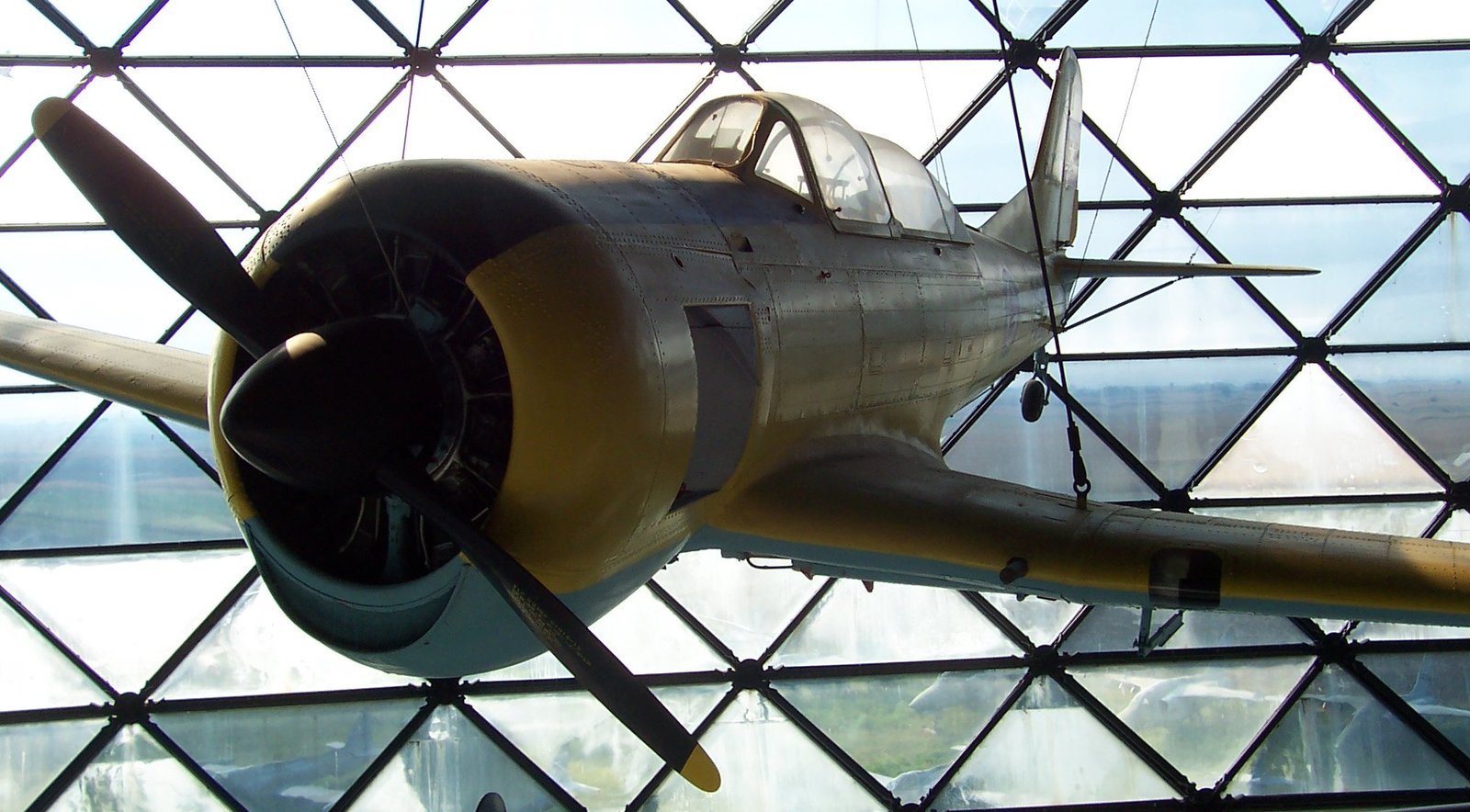
Design and Development
The Soko 522 was developed in the mid-1950s to serve as a modernized trainer and light attack aircraft for Yugoslavia. The design was spearheaded by a team of Yugoslav engineers at the Ikarus Aircraft Factory in Zemun, including Ivan Šoštarić, Stanko Marjanović, Steva Ćurić (also spelled Čurčić), and Mirko Dabinović. Departing from previous Yugoslav trainers that utilized wooden components, the 522 featured an all-metal, low-wing monoplane construction. The first prototype, numbered 60001, was completed at Ikarus and took its maiden flight in early 1955, with some sources citing February and others specifying April 27, 1955.
Production History
While the prototypes were built by Ikarus, series production was transferred to the Soko aircraft factory in Mostar. The Soko 522 holds historical significance as the first serial aircraft produced by the Mostar facility. Production continued until 1961. There is a slight discrepancy regarding total production numbers; some sources state 110 units were built, while others suggest 112. A reconciliation of these figures indicates 110 series aircraft and two prototypes. Delivery records from 1958 to 1961 show batches of 35, 31, and 44 aircraft, respectively.
Technical Specifications and Performance
The aircraft is powered by a single Pratt & Whitney R-1340-AN-1 Wasp air-cooled radial piston engine, delivering 441 kW (600 hp). It has a maximum takeoff weight of 2,400 kg, a wingspan of 11.0 meters, and a length of 9.2 meters. In terms of performance, the Soko 522 can reach a maximum speed of 351 km/h and has a service ceiling of 7,000 meters, with an operational range of 978 km. For its light-attack role, the aircraft is equipped with two 7.9 mm machine guns and can carry four 50 kg bombs.
Service History and Legacy
Operated by the Yugoslav Air Force, the Soko 522 served as a transitional trainer, bridging the gap between the basic Aero-3 and more advanced fighters like the S-49C and F-47D. It was utilized by several light combat aviation squadrons, including the 460th, 461st, 462nd, 463rd, 464th, and 465th between 1961 and 1977. Following its military retirement in the late 1970s, many aircraft were transferred to the Aviation Association of Yugoslavia for use in air clubs.
Beyond its military utility, the Soko 522 gained cultural fame as a stand-in for the German Focke-Wulf Fw 190 in war movies filmed in Yugoslavia, including Kelly's Heroes and the Oscar-nominated Battle of Neretva. Today, static examples are preserved at the Aeronautical Museum in Belgrade and the Park of Military History in Pivka. While no airworthy examples remain in the former Yugoslav republics, a few continue to fly in the United States and France.