
Development and Design Philosophy
The MD-11 emerged from McDonnell Douglas's determination to overcome the DC-10's safety reputation following several high-profile accidents in the 1970s. Beginning conceptual work in 1976 under the designation "Super 60," the company formally launched the program in December 1986 after securing 52 firm orders and 40 options. The aircraft incorporated significant technological advances over its predecessor, most notably a sophisticated glass cockpit system that reduced crew requirements from three to two pilots, eliminating the flight engineer position and reducing airline operating costs.
The Manufacturer's Struggle
McDonnell Douglas, once a titan of American aerospace alongside Boeing and Lockheed, faced mounting financial pressures during the MD-11's development. These constraints forced critical design compromises that would ultimately doom the aircraft's commercial prospects. The company had previously achieved success with the DC-10, producing 386 aircraft plus 60 KC-10 tanker variants, but the MD-11 program would prove to be their final commercial airliner effort. Boeing's acquisition of McDonnell Douglas in 1997 sealed the program's fate, as the merged company prioritized its own 777 and future aircraft development.
Service Entry and Early Challenges
Finnair became the launch customer, receiving their first MD-11 on December 7, 1990, and entering service thirteen days later on December 20. The Finnish carrier ultimately operated seven passenger MD-11s and two cargo variants. Delta Air Lines followed as the US launch customer on February 5, 1991, eventually building an all-MD-11 transpacific fleet by March 1993. However, early operational experience revealed serious performance deficiencies that would plague the type throughout its career.
Performance Shortcomings
The MD-11's most critical flaw was its failure to meet promised range and fuel efficiency targets. American Airlines, initially planning to operate 50 aircraft, ultimately accepted only 19 and retired them after less than eight years of service, citing inadequate engine and airframe performance. Singapore Airlines delivered an even more damning verdict, canceling their order for 20 aircraft and switching to the Airbus A340-300, stating the MD-11 was unsuitable for their long-haul route network.
Production Variants and Economics
McDonnell Douglas produced five distinct variants across the 200-aircraft production run: 131 standard passenger MD-11s, 53 cargo MD-11F aircraft, 5 MD-11C "Combi" passenger-cargo configurations, 5 extended-range MD-11ER variants, and 6 MD-11CF convertible freighters. Early production costs ranged from $120-150 million per aircraft, making each delivery a significant loss for the manufacturer. The company projected costs would eventually decrease to $90 million, but insufficient production volume prevented achieving these economies of scale.
Technical Innovation Despite Commercial Failure
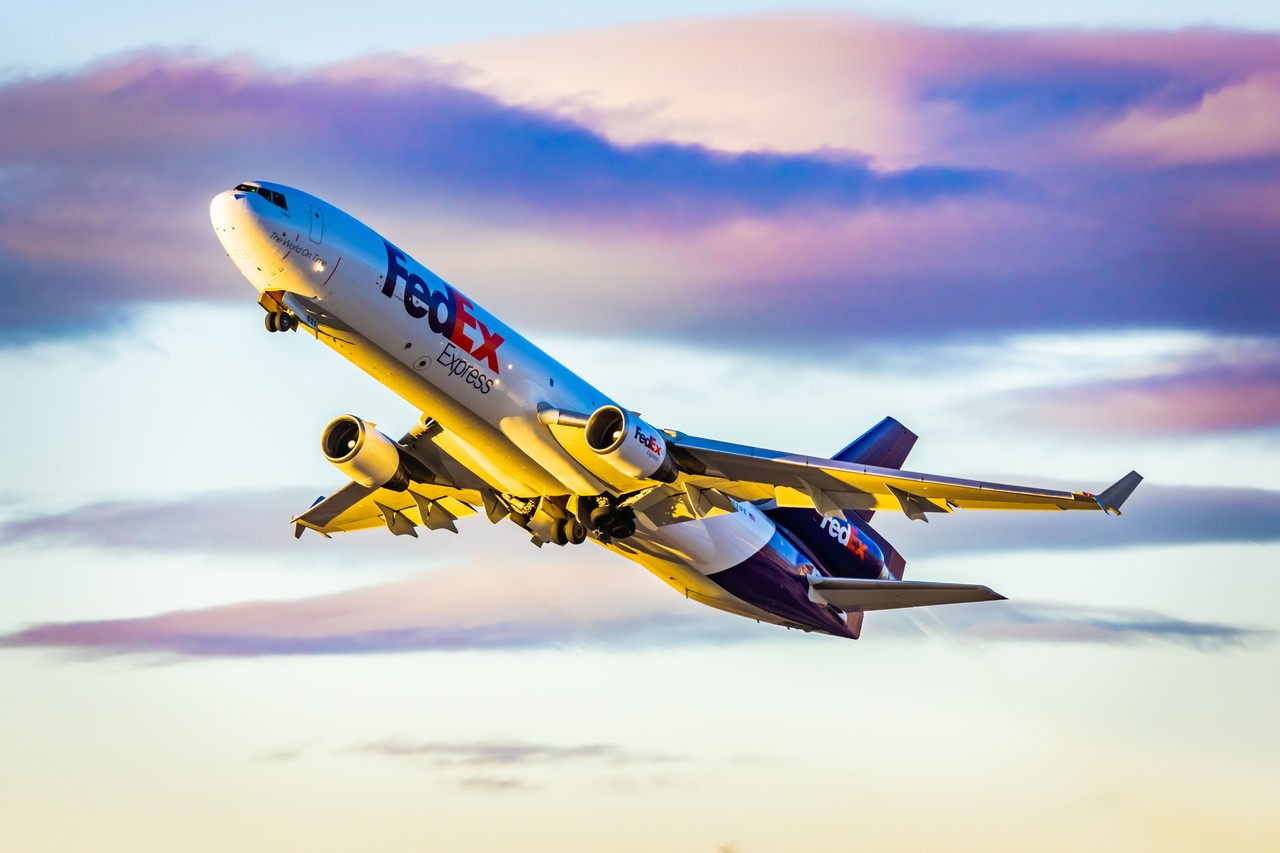
Despite its commercial shortcomings, the MD-11 incorporated several advanced technologies that influenced future aircraft design. The two-crew glass cockpit represented a significant advancement in flight deck automation, reducing pilot workload and training requirements. The aircraft's cargo variants proved more successful than passenger models, with operators like FedEx Express and UPS finding value in the type's freight-carrying capabilities and operational flexibility.
Rapid Decline and Legacy
Passenger service for the MD-11 proved remarkably brief for a wide-body airliner. Production ceased in 2000 after just 12 years, with the final aircraft delivered on February 22, 2001. KLM operated the last passenger-carrying MD-11 in scheduled service, retiring it on October 26, 2014, barely 24 years after the type's service entry. This contrasts sharply with contemporary aircraft like the Boeing 777 and Airbus A330/A340, which continue in widespread passenger service decades later.
Aviation History Significance
The MD-11 stands as a cautionary tale in aviation economics and engineering. Its failure to achieve performance targets, combined with the financial constraints that forced design compromises, demonstrates how even technically advanced aircraft can fail commercially. The program's 200-unit production run fell far short of the 386 DC-10s produced, highlighting how marketplace dynamics had shifted against McDonnell Douglas. Today, the MD-11 serves primarily in cargo operations, where its payload capacity and operating economics prove more acceptable than in passenger service.