
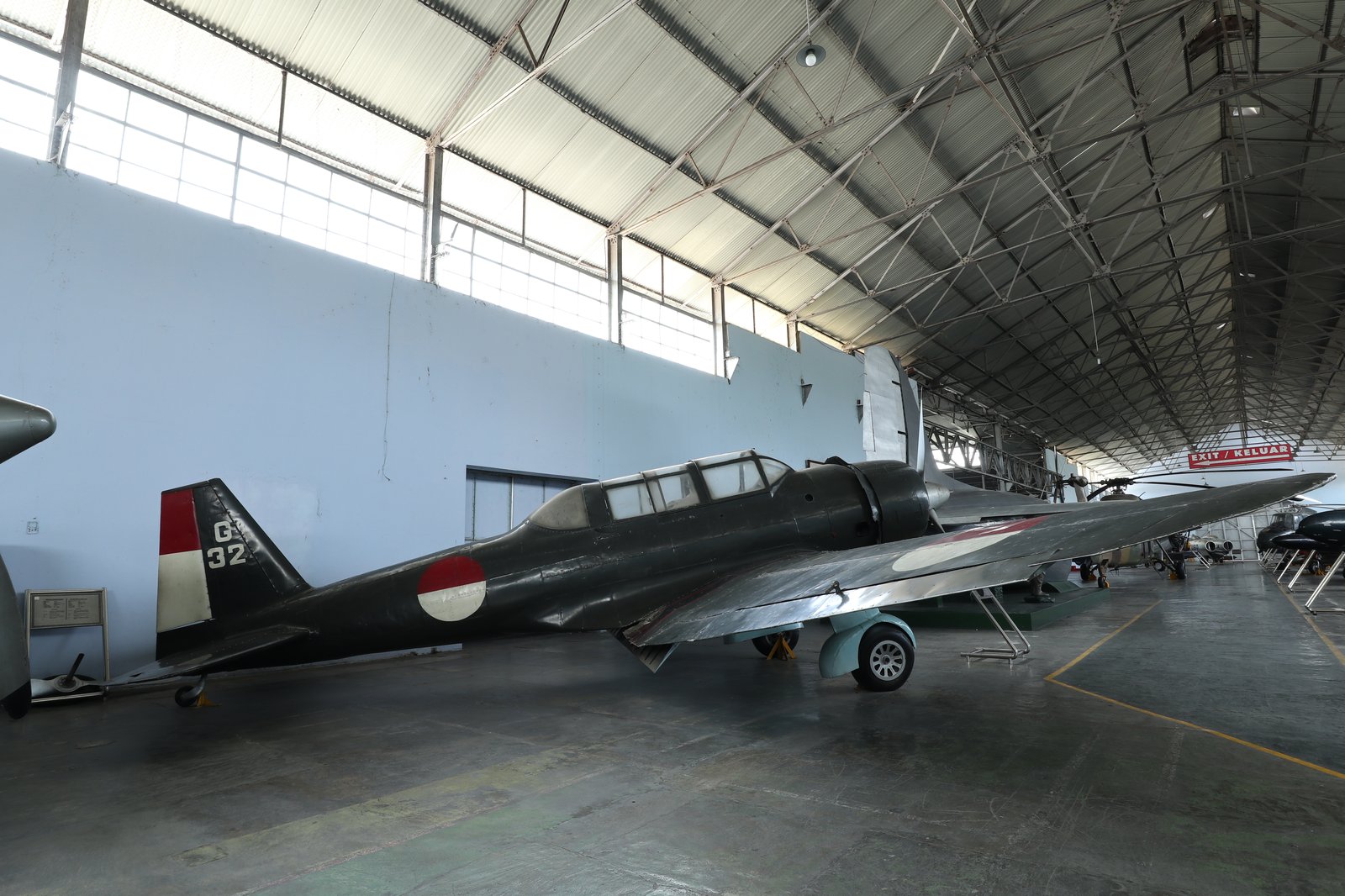
The Mitsubishi Ki-51 was a specialized light bomber, dive bomber, and tactical reconnaissance aircraft developed for the Imperial Japanese Army. First flown in mid-1939, the aircraft was designed to be a rugged and highly maneuverable platform capable of operating from austere airfields. It was particularly noted for its ease of maintenance and a level of survivability that was considered high by the standards of Japanese aircraft during that era. One source further identifies the Ki-51 as the first aircraft utilized by the Japanese Army to feature armor protection.
Production of the Ki-51 began at the Mitsubishi factory in Japan by the end of 1939, with the aircraft officially entering service around 1940. While the exact production span is not explicitly detailed, manufacturing continued through the wartime years until Japan's surrender in 1945. The aircraft was utilized extensively by the Imperial Japanese Army Air Force, with service records indicating its operation by at least 18 independent squadrons and 14 sentai regiments.
Throughout its operational life, the Ki-51—known to Allied forces by the reporting name “Sonia”—was deployed across a vast theater of operations. This included active service in mainland China, the Philippines, Burma, Indonesia, and the Malay Peninsula, as well as New Guinea. Its versatile design allowed it to perform a wide array of missions, including strafing runs, anti-shipping strikes, armed reconnaissance, and dive bombing. In the final stages of the Pacific War, the aircraft was also employed in kamikaze suicide missions. One specific combat engagement attributed to the type was the sinking of the USS Bullhead late in the conflict.
Following the end of World War II, several captured Ki-51 aircraft continued to see service with other nations. These operators included the air forces of South Korea, North Korea, Indonesia, France (operating in Indochina), and China. The aircraft is remembered as one of Japan's most effective low-altitude attack planes, particularly in the China theater where its durability and simplicity were highly advantageous.