
Breaking Electric Barriers
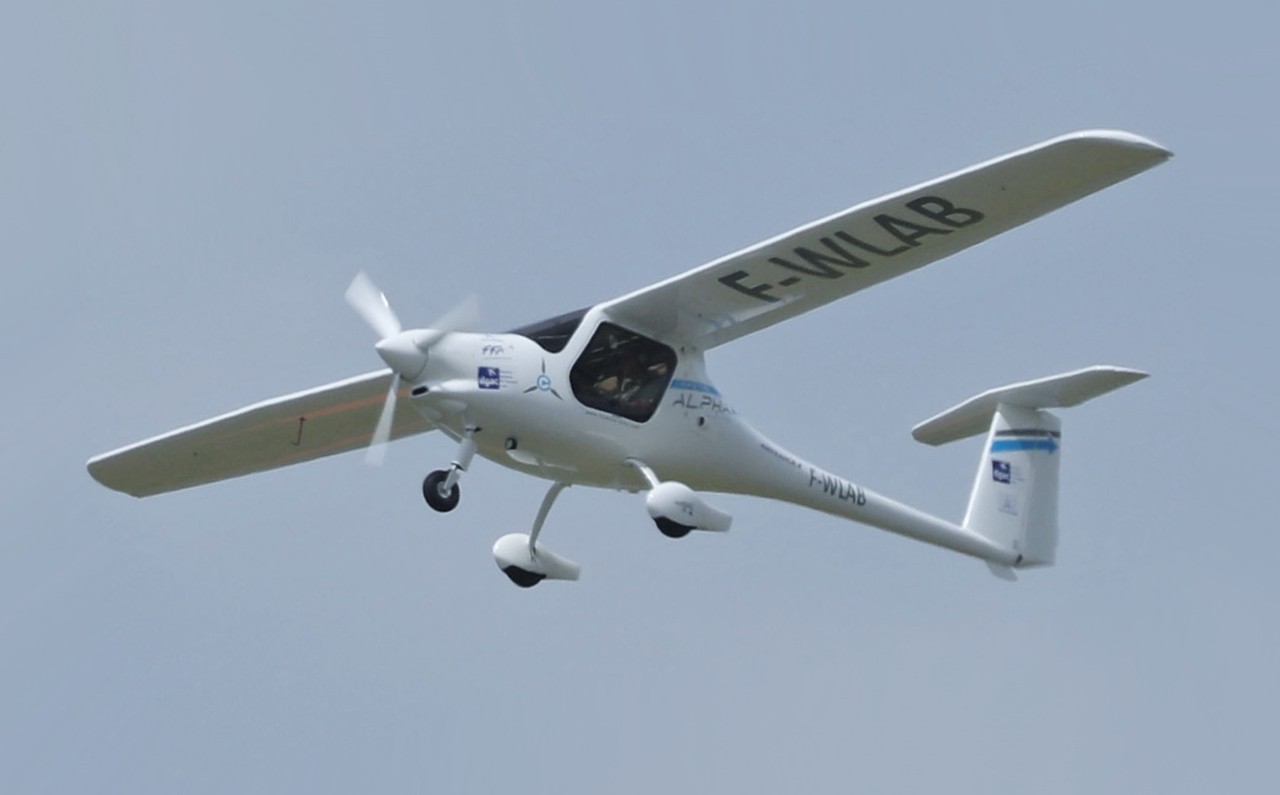
The Alpha Electro achieved what many aviation experts thought impossible: practical electric flight for commercial training operations. When the European Aviation Safety Agency granted type certification on May 18, 2020, the Alpha Electro became the world's first fully electric aircraft to receive official regulatory approval. This breakthrough followed earlier approvals from the FAA, Transport Canada, and Australia's Civil Aviation Safety Authority in April 2018, making it the most widely certified electric aircraft in aviation history.
Operational Deployment
By late 2017, four Alpha Electro aircraft entered service in Fresno, California, as part of the Sustainable Aviation Project, demonstrating the aircraft's viability for routine flight training. These operations proved that electric propulsion could deliver meaningful cost savings, with electricity expenses running approximately one-tenth the cost of conventional aviation gasoline. The aircraft's whisper-quiet operation also opened possibilities for training at noise-sensitive airports previously restricted to conventional aircraft.
Pipistrel's Electric Vision
Ivo Boscarol founded Pipistrel in 1989 in Ajdovščina, Slovenia, initially producing motor-driven hang gliders before expanding into ultralight aircraft manufacturing during the mid-1990s. The company built its reputation on composite construction expertise and innovative design, winning NASA's Green Flight Challenge three times. Boscarol's commitment to electric aviation led to the Alpha Electro's development through the European Union's WattsUp project, specifically designed to advance electric propulsion adoption in light aircraft.
In 2022, aerospace giant Textron acquired Pipistrel, integrating the Slovenian manufacturer's electric aircraft expertise into its broader aviation portfolio. Under Textron ownership, Pipistrel continues developing electric conventional takeoff and landing aircraft, electric self-launching gliders, and hybrid-electric vertical takeoff and landing vehicles from its facilities in Slovenia and near Gorizia, Italy.
Engineering Innovation
The Alpha Electro's 60-kilowatt electric motor, initially supplied by Siemens and later by Dynadyn Siemens, drives a conventional propeller through direct coupling without requiring a reduction gearbox. The propulsion system draws power from a sophisticated 22-kilowatt-hour battery pack containing 664 individual cells manufactured by South Korea's Kokam Company. Engineers configured these cells in two swappable packs positioned fore and aft to maintain proper weight and balance throughout the flight envelope.
Safety systems include software-based thermal runaway protection that automatically isolates problematic cells, while cooling air flows through dedicated battery compartments via small fuselage inlets. The 664-cell configuration limits the impact of any single cell malfunction, providing redundancy unavailable in smaller battery systems. Ground crews can exchange depleted battery packs for charged units in minutes, enabling rapid aircraft turnaround between training flights.
Flight Characteristics
Pilots praised the Alpha Electro's docile handling characteristics, derived from the proven Alpha Trainer airframe. The cantilever high wing provides inherent stability, while tricycle landing gear with reinforced components withstands the repeated impacts of student pilot training operations. A central brake lever simplifies ground handling procedures compared to conventional differential toe brakes.
The aircraft cruises efficiently on its 60-kilowatt power setting, providing one hour of flight time with legally required fuel reserves. Traditional round-dial flight instruments and GPS navigation equipment familiarize student pilots with conventional avionics layouts while electric propulsion eliminates complex engine management procedures associated with internal combustion engines.
Manufacturing Philosophy
Pipistrel constructed the Alpha Electro using single-skin laminate composite materials, simplifying production compared to the honeycomb layup techniques employed in their high-performance Virus series. This manufacturing approach reduced costs while maintaining structural integrity adequate for training operations. The high wing configuration accommodates various pilot sizes and provides excellent visibility for instructional flying.
Legacy and Impact
The Alpha Electro proved that electric aircraft could transition from experimental curiosities to practical commercial operations. Its certification success encouraged regulatory authorities worldwide to develop electric aircraft approval processes, paving the way for larger electric aircraft projects. Flight training organizations gained access to dramatically reduced operating costs and expanded operational flexibility at noise-sensitive airports.
While specific production numbers remain undisclosed, the Alpha Electro continues serving flight schools internationally, demonstrating daily that electric propulsion represents a viable future for aviation training. The aircraft's pioneering role established Pipistrel as the global leader in certified electric aircraft, influencing an entire generation of electric aviation development programs across the industry.