
Service History
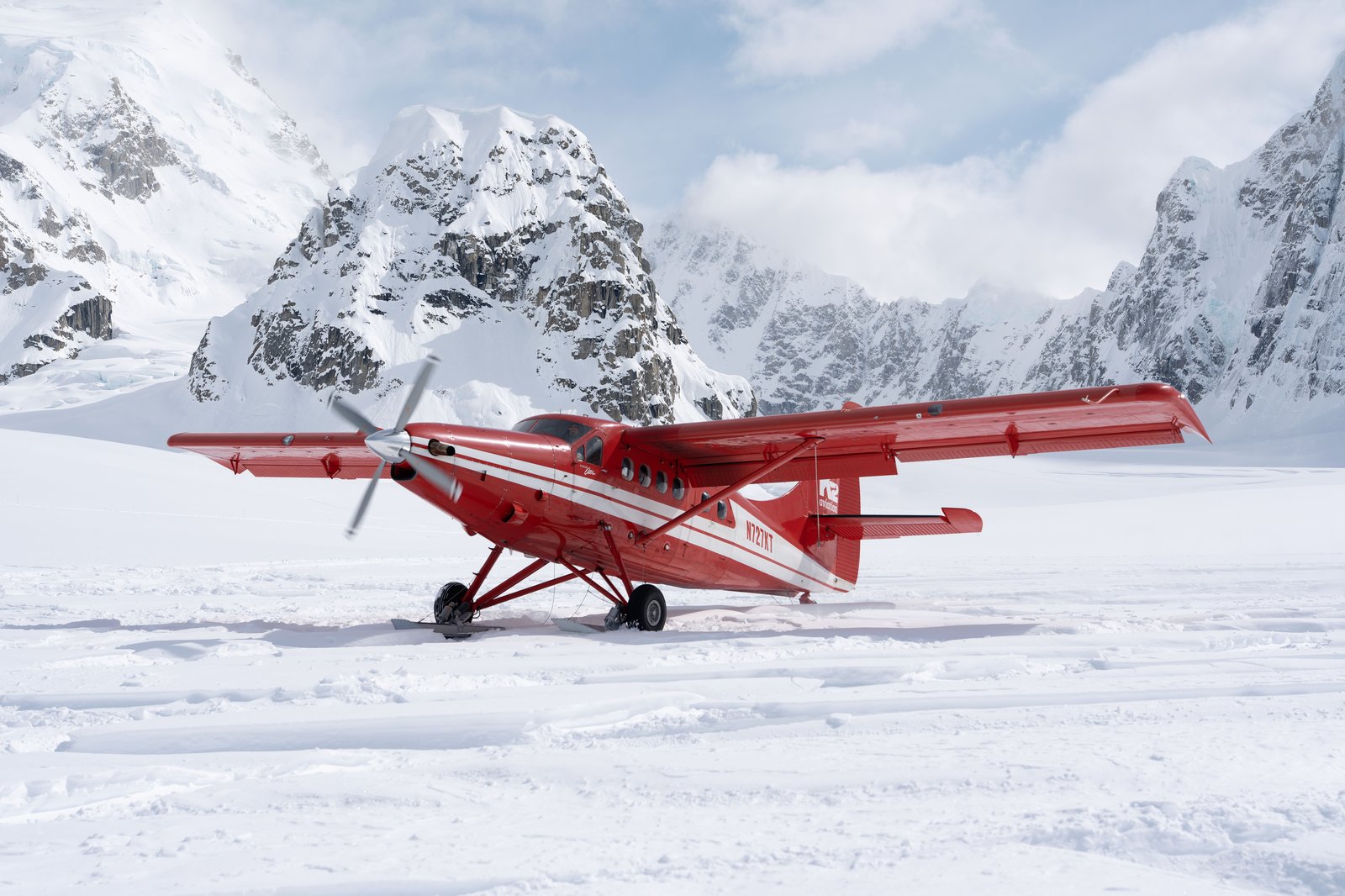
The DHC-3 Turbo Otter carved out a specialized niche in commercial aviation serving remote communities, mining operations, and specialized transport roles where conventional aircraft could not operate effectively. Unlike mass-market airliners, the Turbo Otter's value lay in its ability to access unprepared airstrips and handle diverse cargo configurations. Bush operators across Canada, Alaska, and developing nations relied on the type for essential air services to isolated settlements.
The aircraft's robust construction and reliable turboprop powerplant made it particularly valuable for operators requiring consistent performance in harsh environmental conditions. Float-equipped variants extended the type's utility to water-based operations, opening up vast territories accessible only by lake and river systems.
The Manufacturer
De Havilland Canada emerged as a subsidiary of the British De Havilland Aircraft Company in 1928, establishing manufacturing operations in Toronto. The Canadian division gained recognition for developing aircraft specifically designed for the demanding conditions of northern operations, including extreme weather, short airfields, and minimal ground support infrastructure.
Following the parent company's acquisition by Hawker Siddeley in 1960, De Havilland Canada continued autonomous operations while benefiting from expanded engineering resources. The company's expertise in short takeoff and landing aircraft design culminated in a series of successful utility aircraft, including the DHC-2 Beaver, DHC-3 Otter, and later the DHC-6 Twin Otter.
Boeing acquired De Havilland Canada in 1986, recognizing the strategic value of the company's specialized aircraft designs and manufacturing capabilities. Under Boeing ownership, the division continued developing and supporting existing product lines while contributing engineering expertise to larger corporate projects. Bombardier subsequently acquired the operation, integrating it into their growing aerospace portfolio, before Longview Aviation Capital purchased the assets in recent years, restoring the De Havilland Canada name and independent operations.
Engine & Technical Details
The Turbo Otter's conversion from radial piston power to turboprop propulsion transformed the aircraft's performance characteristics and operational flexibility. The turboprop engine provided improved power-to-weight ratio, enhanced reliability, and simplified maintenance procedures compared to the original radial powerplant.
Pilots typically operated the aircraft single-handed, though complex cargo operations or challenging weather conditions might warrant additional crew members. The high-wing configuration provided excellent ground clearance and stability during loading operations, while fixed landing gear simplified maintenance requirements and reduced operational complexity.
The aircraft's design emphasized utility over speed, with robust construction capable of withstanding the stresses of frequent operations from unpaved surfaces. Large cargo doors facilitated rapid loading and unloading of diverse freight, from mining equipment to medical supplies for remote communities.
Pilot Perspective
Pilots praised the Turbo Otter's forgiving flight characteristics and predictable handling across a wide range of loading configurations and weather conditions. The aircraft's short field performance capabilities allowed access to airstrips that challenged much larger aircraft, while the turboprop powerplant provided reliable performance across varying altitudes and temperatures.
The type's relatively low cruise speed reflected its utility-focused design philosophy, prioritizing payload capacity and field performance over speed. Operating ceiling and range specifications supported the aircraft's intended role serving remote locations within regional distances rather than competing with faster transport aircraft on longer routes.
Experienced bush pilots particularly appreciated the aircraft's robust construction and ability to handle rough field conditions without compromising structural integrity or operational safety. The predictable stall characteristics and generous control authority provided confidence margins essential for operations in challenging environments.
Production & Legacy
Production numbers for the DHC-3 Turbo Otter remained limited compared to De Havilland Canada's more successful designs, reflecting the specialized nature of the aircraft's target market. The conversion program addressed specific operator requirements for improved performance while maintaining the proven airframe characteristics that made the original Otter successful.
The Turbo Otter's legacy lies in demonstrating the viability of turboprop conversions for utility aircraft, paving the way for similar modernization programs across the industry. While never achieving the widespread adoption of the Twin Otter or other De Havilland Canada designs, the type proved the concept of updating proven airframes with modern powerplants.
Today, surviving Turbo Otters continue operating in specialized roles where their unique combination of payload capacity, field performance, and reliability remains valuable. Aviation museums occasionally display examples of the type, typically as part of broader exhibits highlighting the evolution of Canadian bush aircraft and the pioneering role of De Havilland Canada in utility aviation development.