
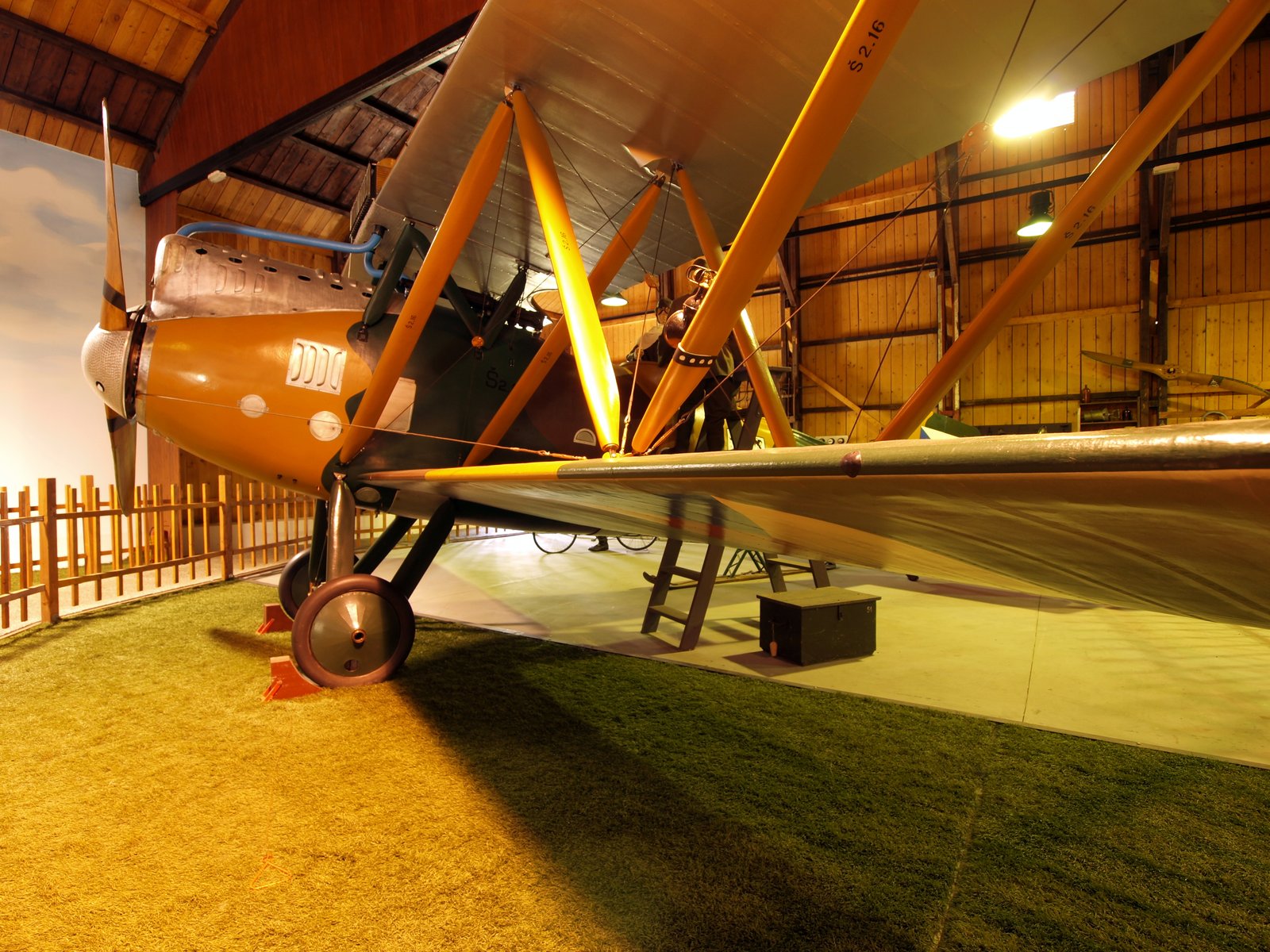
The Letov Š-13 is a designation that lacks verification in the primary historical and technical records of Czechoslovak aviation. Systematic reviews of Letov production lists, type histories, and archival materials indicate that while the manufacturer produced a vast array of aircraft under the 'Š' designation, the number 13 is absent from these sequences. Documented types include the Š-1, Š-2, Š-4, Š-6, Š-8, Š-10, Š-16, Š-19, Š-20, Š-31, Š-32, Š-28, and Š-328, but no record exists of an Š-13 prototype or production aircraft.
The manufacturer, Letov, was the first major aircraft factory in Czechoslovakia and operated as a state enterprise based at Letňany, Prague. The company's early output was defined by the work of chief designer Alois Šmolík, whose initial provided the 'Š' prefix for the company's designs. Notable successes from this design line include the Š-1 and Š-2 light bombers, which first flew in April 1920, and the Š-4 fighter, which debuted in 1922. Later developments included the Š-31/Š-231 fighter family and the Š-328 bomber/reconnaissance biplane, the latter of which saw 445 units produced between 1934 and 1939.
Throughout the inter-war period, Letov aircraft utilized a variety of piston engines from manufacturers such as Maybach, Hiero, and Walter, as well as BMW-built Pratt & Whitney Hornet engines. Despite this prolific output, no technical specifications, engine data, or performance metrics exist for a model designated as the Š-13. Furthermore, there is no evidence of the Š-13 serving in any military or civil capacity, unlike the Š-328, which served in the Slovak National Uprising, or the Š-31, which operated during the Spanish Civil War.
Following the Second World War, Letov continued as a state-controlled entity known as 'Rudý Letov,' focusing primarily on licensed production and aircraft repair. The original independent manufacturer eventually ceased to exist as it was absorbed into the broader restructuring of the Czech aerospace industry after 1989. Because no airframe for the Š-13 is documented, there are no surviving examples in any museum or private collection.