
Commercial Dominance
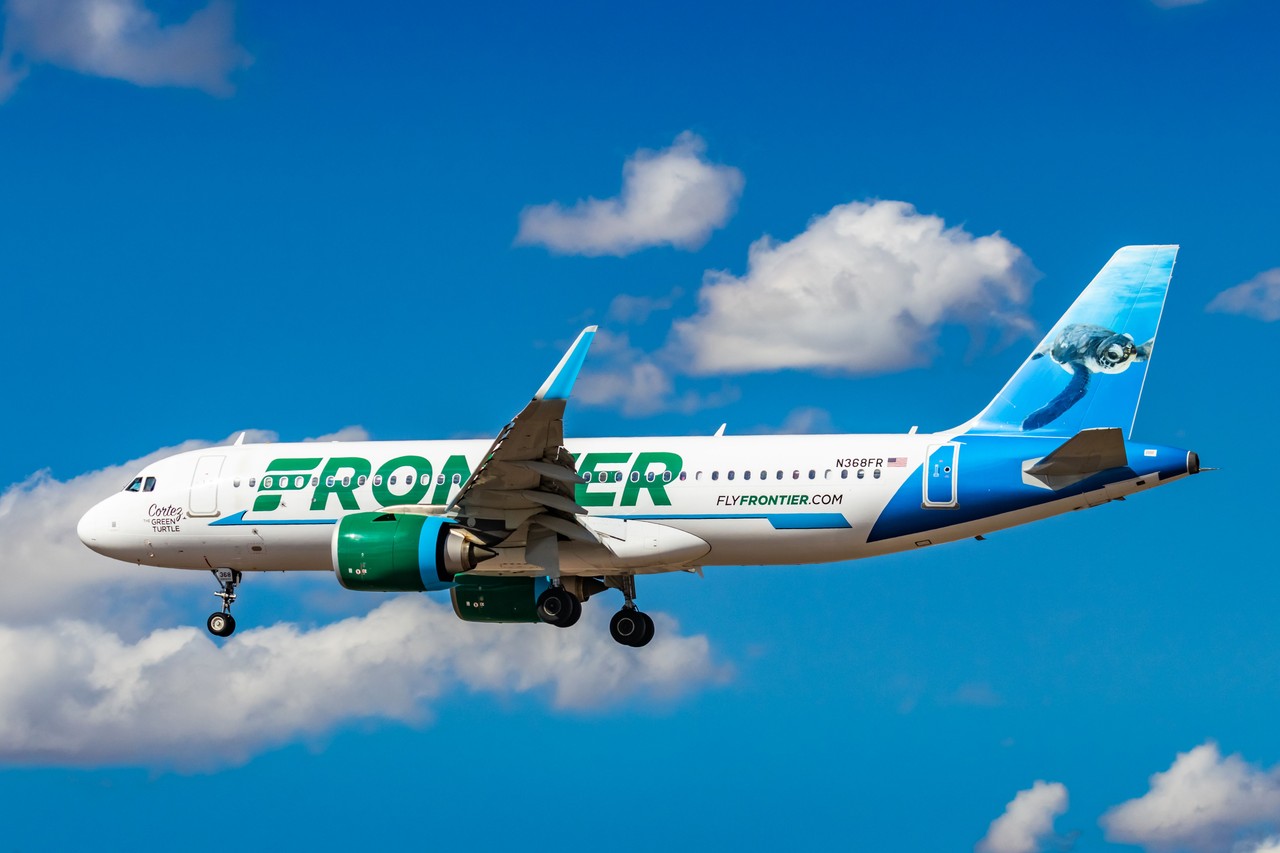
The A320neo has achieved unprecedented market success, capturing approximately 60 percent of the single-aisle aircraft market by 2019. With over 11,529 orders accumulated by 2025 and 4,372 aircraft from the neo family delivered, it represents one of the fastest-selling commercial aircraft programs in aviation history. The backlog of 7,157 aircraft as of 2025 ensures production will continue well into the next decade, making it a cornerstone of modern airline fleets worldwide.
The Airbus Legacy
Airbus originated from a European consortium formed in 1970 as Airbus Industrie, becoming a unified entity in 2001. The company pioneered fly-by-wire flight controls with the original A320 in 1988, revolutionizing commercial aviation. Today operating as Airbus SE, the manufacturer evolved from partnerships between Aérospatiale, Deutsche Airbus, and British Aerospace, fully integrating under EADS in 2000 before rebranding as Airbus SAS in 2017. The company remains a leading aircraft manufacturer, producing everything from narrow-body airliners to wide-body jets and military aircraft.
Engine Innovation and Technical Excellence
The A320neo offers airlines a choice between two advanced powerplant options: the CFM International LEAP-1A or the Pratt & Whitney PW1100G geared turbofan. CFM International, a joint venture between GE Aviation and Safran, delivered its first production LEAP-1A engines on August 11, 2014. The Pratt & Whitney PW1100G received FAA certification on December 19, 2014, introducing revolutionary geared turbofan technology to the narrow-body market. The LEAP-1A has powered approximately 80 percent of early deliveries due to its proven reliability, while the GTF engine offers superior noise reduction and efficiency after early technical challenges were resolved by 2018.
Development and Certification
Airbus launched the A320neo program on December 1, 2010, with design objectives focused on achieving 15 percent lower fuel consumption compared to previous A320 variants. The engineering team in Toulouse accomplished this through new engine technology, Sharklet wingtips, and refined aerodynamics. The prototype rolled out from the Toulouse factory on July 1, 2014, and completed its maiden flight on September 25, 2014, powered by Pratt & Whitney PW1100G engines. Joint EASA and FAA certification was achieved on November 24, 2015, clearing the way for commercial operations.
Operational Excellence
Lufthansa, serving as the launch customer, introduced the A320neo to commercial service on January 25, 2016, marking 28 years since the original A320's debut. The aircraft typically accommodates 150-180 passengers in standard configurations, though high-density layouts can seat up to 194 passengers. With a maximum range of 6,300 kilometers and cruising speed of Mach 0.82, the A320neo serves medium-haul routes efficiently while maintaining the two-pilot cockpit commonality that airlines value for crew training and scheduling flexibility.
Production and Manufacturing
Airbus maintains final assembly lines in Toulouse, France, and Hamburg, Germany, with a dedicated A320neo family line inaugurated at the Jean-Luc Lagardère factory in Toulouse in July 2023. Production rates targeted 63 aircraft per month post-2019, though COVID-19 reduced output to 40 per month in 2020. Engine supply constraints led to more than 40 completed A320neo aircraft being parked awaiting engines during 2017-2018, highlighting the challenges of ramping up production of new powerplant technologies.
Legacy and Future Impact
The A320neo represents a pivotal moment in commercial aviation's evolution toward greater fuel efficiency and environmental responsibility. As airlines worldwide retrofit their fleets with more efficient aircraft, the neo's 15-20 percent fuel savings compared to previous generation aircraft make it essential for competitive operations. The unprecedented order backlog ensures the A320neo will define narrow-body aviation for decades to come, while ongoing innovations like the "Wing of Tomorrow" composite prototypes assembled since September 2021 point toward even greater efficiency gains in future variants.