
Market Dominance
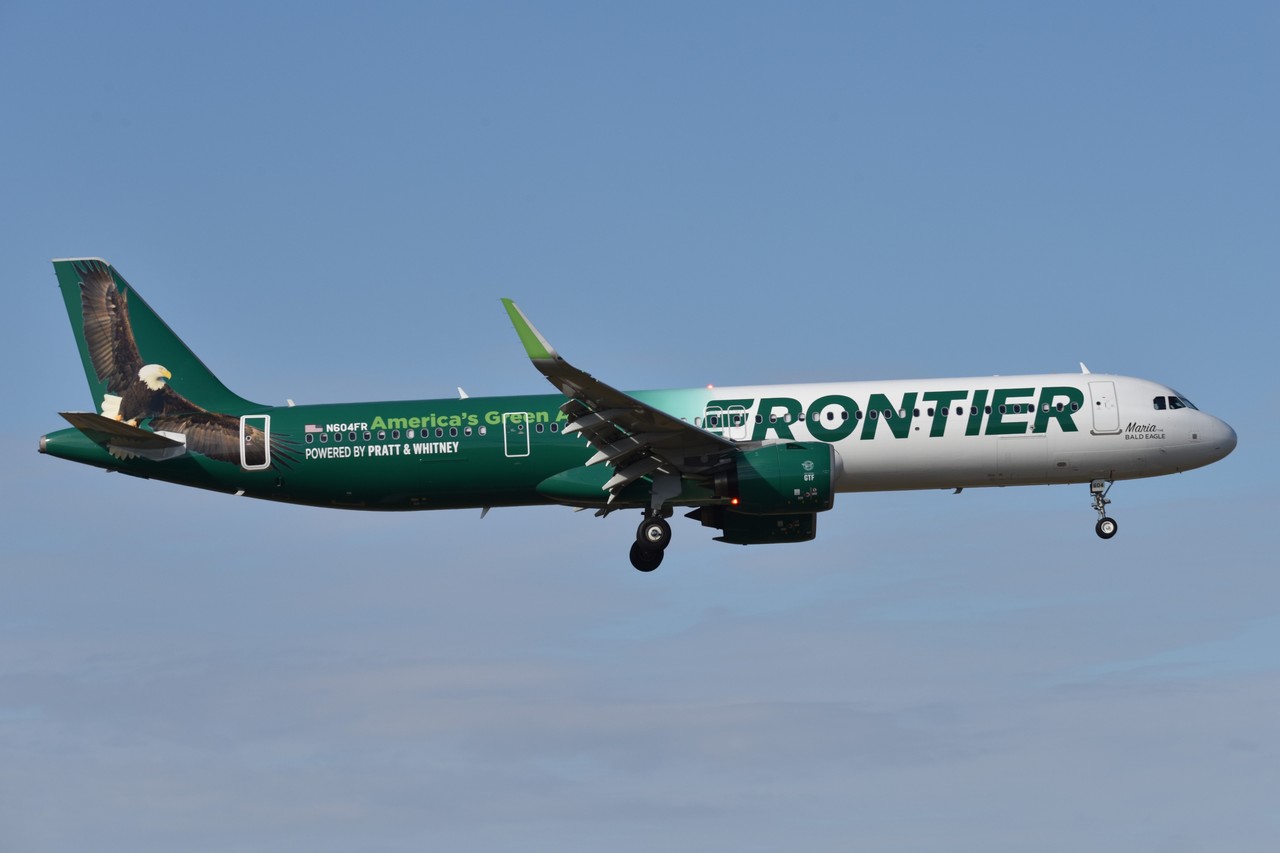
The A321neo has achieved remarkable commercial success, accumulating 7,064 orders from 88 customers by mid-2025, with 1,752 aircraft delivered to airlines worldwide. This represents one-quarter of all Airbus single-aisle orders, demonstrating the aircraft's critical role in modern airline fleets. American Airlines operates the largest A321neo fleet with 302 examples, while carriers from Virgin America to Norwegian have adopted the type for both domestic and transatlantic routes.
Service History
Virgin America became the first operator on May 31, 2017, receiving a 185-seat aircraft configured with CFM LEAP engines through GECAS leasing. The aircraft immediately proved its versatility, with Delta Air Lines adding the type in March 2022 and European carriers like TAP Air Portugal and Aer Lingus deploying it on medium-haul routes. The extended-range A321XLR variant achieved a milestone on November 14, 2024, when Iberia operated the first long-haul passenger flight from Madrid to Boston, opening new possibilities for transatlantic narrow-body service.
The Manufacturer
Airbus emerged from a 1970 European consortium designed to challenge American aerospace dominance, evolving into Boeing's primary competitor. The company operates major production facilities in Hamburg, Germany, where A321neo final assembly occurs, plus additional lines in Mobile, Alabama, Tianjin, China, and Toulouse, France. This multinational approach enables Airbus to serve global markets while maintaining European engineering leadership in commercial aviation.
Engine Technology
The A321neo offers two advanced powerplant options: the Pratt & Whitney GTF (Geared Turbofan) and CFM International LEAP engines. The CFM LEAP variant received simultaneous EASA and FAA certification on March 1, 2017, becoming the initial production standard. Pratt & Whitney's GTF technology, certified December 15, 2016, features innovative geared architecture that reduces fuel consumption and noise. Both engines represent significant advances over previous generation powerplants, enabling the aircraft's impressive 15% fuel efficiency improvement.
Technical Innovation
Airbus engineers developed the A321neo through systematic enhancement rather than clean-sheet design, reducing development time to six years from the 2010 announcement to 2016 certification. The aircraft incorporates advanced winglets called "Sharklets" that reduce drag and improve fuel economy. The A321XLR variant features a permanent rear center tank and strengthened landing gear supporting a 101-ton maximum takeoff weight, enabling its extended 4,700-nautical-mile range.
Operational Capabilities
The A321neo typically carries 206 passengers in long-range configuration with 16 business and 190 economy seats, though high-density layouts accommodate up to 244 passengers. Standard variants achieve 4,000-nautical-mile range, while the XLR extends this to 4,700 nautical miles, enabling routes previously requiring wide-body aircraft. The aircraft received ETOPS 180-minute certification on October 2, 2018, permitting any transatlantic routing with appropriate airport alternates.
Production Success
Manufacturing began in 2016 with deliveries ramping rapidly across four global production lines. The A321 family, including neo variants, captured 4,200 orders by 2019, representing one-quarter of all Airbus single-aisle sales and one-third of A320neo family orders. This success reflects airline demand for larger narrow-body aircraft offering wide-body economics on medium-haul routes.
Extended Range Legacy
The A321XLR, launched at the 2019 Paris Air Show, represents the ultimate expression of narrow-body capability. Following regulatory delays to address fuel tank safety concerns, the variant received EASA certification on July 19, 2024, and FAA approval on October 2, 2024. Iberia's October 30, 2024, delivery marked the beginning of a new era in long-haul narrow-body operations, with the aircraft enabling point-to-point service on routes traditionally served by larger, less economical aircraft. The A321neo family continues production today, cementing Airbus's position in the competitive single-aisle market while offering airlines unprecedented flexibility in route planning and operational efficiency.