
Market Dominance
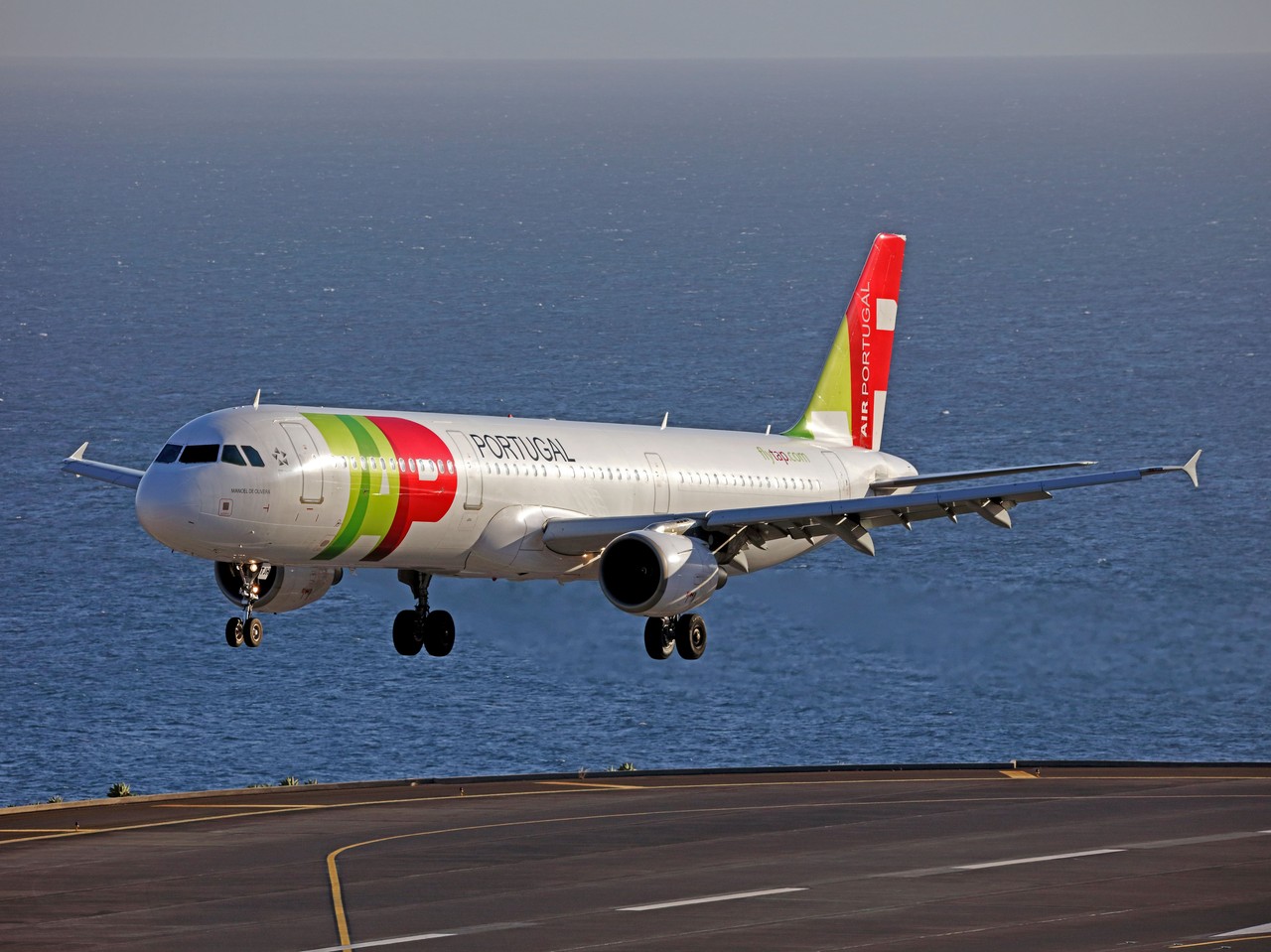
The A321 captured 25 percent of all Airbus orders by 2019, fundamentally reshaping the single-aisle market through its exceptional efficiency and versatility. American Airlines operates the world's largest A321 fleet with 302 aircraft, followed by China Southern Airlines with 154 units. The type's success stems from offering 20 percent lower fuel consumption compared to its primary competitor, the Boeing 757, while maintaining full pilot commonality with the A320 family.
The Airbus Legacy
Airbus originated in 1970 as a European consortium uniting French Sud Aviation, German Deutsche Airbus, Spanish CASA, and Britain's Hawker Siddeley. The company pioneered commercial fly-by-wire technology with the A320 in 1988, establishing the foundation for the A321's advanced flight control systems. After restructuring as Airbus SAS in 2001 and later becoming Airbus SE in 2017, the manufacturer secured early A321 development funding through innovative bond market financing, raising 480 million dollars plus an additional 180 million from the European Investment Bank.
Development and First Flight
Launched on November 24, 1988, the A321 program secured 183 initial orders from 10 customers, with Lufthansa ordering 20 aircraft and Alitalia committing to 40 units. The Airbus engineering team designed the A321 as a direct Boeing 757 competitor, extending the A320 fuselage while preserving the family's fly-by-wire architecture and pilot commonality benefits. The prototype F-WWIA completed its maiden flight on March 11, 1993, equipped with IAE V2500 engines, followed two months later by a second prototype featuring CFM56-5B powerplants.
Powerplant Evolution
The original A321ceo offers operators two proven engine options: the CFM56-5B from CFM International and the IAE V2500 from International Aero Engines. CFM International produced over 33,000 CFM56 engines across all variants between 1979 and 2020, accumulating more than one billion flight hours and establishing legendary reliability standards. The V2500, manufactured from 1987 to approximately 2015 with over 7,500 units delivered, provided sector-leading fuel efficiency during its production run.
The A321neo generation, entering service in 2016, features next-generation powerplants delivering 15 to 20 percent improved fuel efficiency. Operators choose between the CFM LEAP-1A and the Pratt & Whitney PW1100G geared turbofan, both incorporating advanced materials and design technologies that have collectively exceeded 10,000 deliveries by 2025.
Service Entry and Operations
Lufthansa launched commercial A321 operations on January 27, 1994, using a V2500-powered aircraft, followed by Alitalia's CFM56-equipped variant on March 22, 1994. The type's operational flexibility enables configurations from high-density 244-passenger layouts to premium two-class arrangements seating 185 travelers. Lufthansa's D-AIRC, delivered in February 1994, remains the oldest A321 in active service, demonstrating the type's exceptional longevity.
Global Production Network
Airbus established four final assembly locations to meet A321 demand: Hamburg, Germany served as the initial production site, later expanding to accommodate A319 and A318 variants. Mobile, Alabama delivered its first A321 to Delta Air Lines in October 2016, marking Airbus's successful entry into American manufacturing. Additional facilities in Tianjin, China, and Toulouse, France provide global production capacity supporting the type's continued success.
Range Revolution
The A321LR variant, entering service in 2018 with Arkia Israeli Airlines, extends the type's range to 4,000 nautical miles, enabling efficient transatlantic operations on thin routes previously requiring twin-aisle aircraft. The A321XLR, achieving early 2024 service entry with Middle East Airlines, pushes single-aisle capabilities to 4,700 nautical miles, revolutionizing medium-haul operations worldwide.
Cargo Innovation
Freighter conversions expand A321 utility beyond passenger service, with the A321P2F accommodating 14 upper deck and 10 lower deck containers. Qantas received the first converted freighter in October 2020, pioneering efficient cargo operations using the A321's proven airframe.
Production Achievement
As of June 2025, Airbus has delivered 3,536 A321 aircraft across all variants, with 3,453 remaining in active service worldwide. The neo variant alone accounts for 5,312 firm orders, ensuring continued production well into the next decade. This remarkable production run establishes the A321 as one of commercial aviation's most successful aircraft families, proving the enduring value of the original 1988 design concept.