
Service History
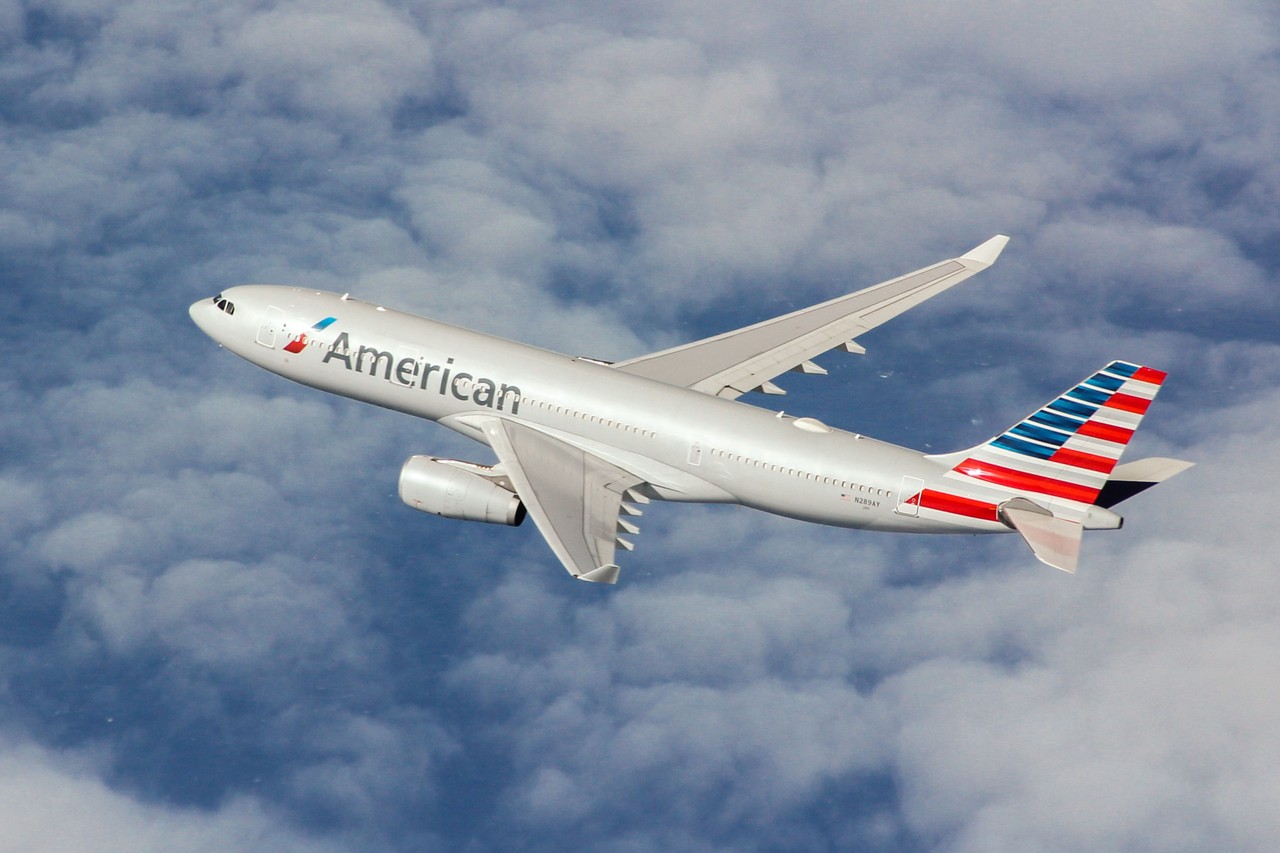
The A330-200 transformed international aviation by proving that twin-engine aircraft could safely and efficiently operate on long-range routes previously dominated by three and four-engine jets. Canada 3000, through an ILFC lease arrangement, became the launch operator in 1998, followed immediately by Korean Air. The aircraft's Extended Twin-Engine Operations (ETOPS) certification enabled airlines to operate more economical point-to-point services across oceans, fundamentally changing route economics.
By 2013, the A330 family had reached production rates of 10 aircraft per month, representing the highest manufacturing rate for any Airbus wide-body at that time. Northwest Airlines operated 11 A330-200s from 2003 to 2006 on demanding Pacific routes, while carriers like Cathay Pacific, TAP Air Portugal, and Etihad embraced the type for long-haul operations. The aircraft's versatility extended to cargo operations, with the A330-200F freighter variant entering service with Etihad Cargo in July 2010.
The Manufacturer
Airbus launched the A330 program in June 1987 as part of its ambitious strategy to compete with Boeing in the wide-body market. The European consortium had evolved from the successful A300 program of the mid-1970s, with the A330/A340 family representing its first venture into long-range aircraft. Initial orders came from Air Inter with 5 firm orders plus 15 options on March 12, 1987, and Thai Airways International with 8 aircraft split between firm orders and options.
The company underwent significant restructuring during A330 development, with British Aerospace contributing crucial engineering solutions, including resolving wing design challenges in 1992. Originally operating as a consortium under EADS, the manufacturer evolved into Airbus SE, which continues production today with A330neo variants, the military A330 MRTT tanker, and the BelugaXL transport.
Engine & Technical Details
The A330-200 offered operators unprecedented flexibility with three engine options: the General Electric CF6-80E1, Pratt & Whitney PW4000, or Rolls-Royce Trent 700, each delivering up to 71,100 pounds of thrust. This engine variety allowed airlines to leverage existing maintenance capabilities and supplier relationships while achieving consistent performance across the fleet.
Airbus equipped the aircraft with advanced fly-by-wire flight controls and a six-screen glass cockpit, representing significant technological advancement over earlier wide-bodies. The aircraft required only a two-pilot crew, reducing operational costs compared to older three-crew aircraft. With a maximum takeoff weight of 230,000 kilograms and fuel capacity of 139,100 liters, the A330-200 could carry up to 36,400 kilograms of payload across intercontinental distances.
Performance & Pilot Experience
Pilots praised the A330-200 for its common type rating with other Airbus family aircraft, significantly reducing training costs and complexity for airlines operating mixed fleets. The aircraft achieved a maximum cruise speed of Mach 0.86 and could reach altitudes exceeding 41,000 feet, providing operational flexibility in congested airspace.
The 6,200-nautical-mile range at maximum takeoff weight enabled non-stop service on demanding routes like trans-Pacific and trans-Atlantic sectors. Post-2003 upgrades delivered a two percent improvement in fuel burn efficiency, enhancing the aircraft's already competitive operating economics. The fly-by-wire system provided consistent handling characteristics and built-in protections that enhanced safety margins.
Production & Legacy
As of May 2025, Airbus had delivered 1,472 of 1,479 ordered A330ceo aircraft across all variants, with the family achieving its 1,000th delivery to Cathay Pacific on July 19, 2013, and the 1,500th delivery in September 2020. Production occurred at Airbus facilities in Toulouse, France, utilizing an innovative integrated final assembly line that combined assembly, painting, and cabin furnishing operations.
The COVID-19 pandemic impacted production rates, with monthly output reduced to just 2 aircraft in 2020 from previous highs. However, the A330-200 established Airbus as a credible competitor in the wide-body market and paved the way for the current A330neo family. Many examples continue active service with airlines worldwide, while the military A330 MRTT variant ensures continued relevance for the basic design.
The aircraft's legacy extends beyond commercial aviation, having demonstrated that twin-engine reliability could match traditional three and four-engine aircraft while delivering superior fuel efficiency. This success influenced industry-wide acceptance of twin-engine long-range operations and established design principles that continue in modern aircraft development.