
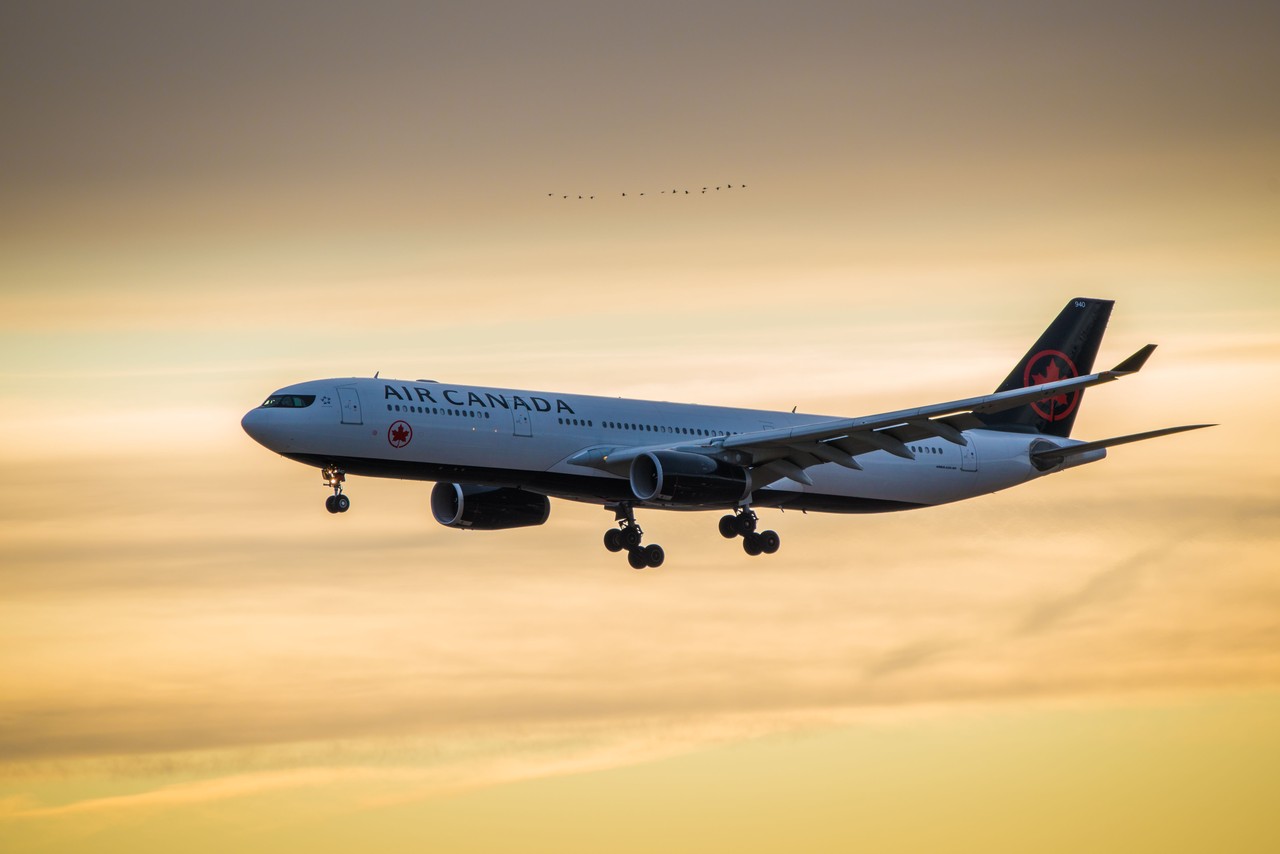
Service History
The A330-300 entered commercial service on January 16, 1994, with Air Inter operating the inaugural flight between Paris Orly and Marseille Provence airports. The aircraft quickly established itself as a cornerstone of international aviation, with Airbus delivering 1,472 A330-300s by May 2025 from a total of 1,479 orders. On July 19, 2013, the A330 became the first Airbus wide-body to reach 1,000 deliveries, joining an exclusive club with only the Boeing 747, 767, and 777. By September 2020, the type achieved another milestone as Airbus's first twin-aisle aircraft to reach 1,500 deliveries.
Major operators included Thai Airways International as an early adopter, Northwest Airlines with 32 aircraft before its merger into Delta Air Lines, and Cathay Pacific, which received the symbolic 1,000th A330 delivered. The aircraft's commercial success stemmed from its ability to offer 56 more seats than its A300 predecessor while maintaining operational efficiency on long-range routes previously dominated by four-engine aircraft.
The Manufacturer
Airbus began developing the A330-300 in the mid-1970s as part of larger A300 derivatives, formally launching the program alongside the four-engine A340 in June 1987. The Supervisory Board approved development on January 27, 1986, marking Airbus's ambitious entry into the long-range market. The European consortium pioneered an integrated final assembly facility for the A330 program, combining final assembly, paintshop, and cabin furnishing in one location—an industry first that improved efficiency and quality control.
Airbus remains a leading aircraft manufacturer today, continuing A330 production with the re-engined A330neo family. The A330-900 variant first flew in 2017 and entered service in late 2018, ensuring the design's continued relevance in modern aviation markets.
Engine & Technical Details
The A330-300 offered unprecedented flexibility with three turbofan engine options: General Electric CF6-80E1 engines (which powered the first prototype), Pratt & Whitney engines, and Rolls-Royce engines. This multi-engine approach allowed airlines to choose powerplants based on their operational preferences and maintenance capabilities.
The aircraft featured revolutionary fly-by-wire flight controls and a six-screen glass cockpit that reduced pilot workload while improving safety. Engineers designed the A330-300 with common-type-rating capability with the A350, reinforcing Airbus's family concept and reducing training costs for airlines. The design also maintained high operational synergy with the A320 family, allowing airlines to streamline maintenance and crew training across their Airbus fleets.
Production History
Airbus manufactured the A330-300 from 1992 to 2017, with the first aircraft rolled out on October 14, 1992. Production rates varied significantly throughout the program's lifecycle, reflecting market demand fluctuations. Airbus increased monthly production from 7.5-8 aircraft in 2011 to 10 per month by April 2013—the highest rate achieved for any Airbus wide-body aircraft at that time.
However, market conditions forced production adjustments, with rates dropping to 6 per month in early 2016 before recovering to 7 per month by February 2016. The COVID-19 pandemic severely impacted production, reducing monthly output from 4.5 to just 2 aircraft in 2020. The first completed A330 weighed 181,840 kg (401,000 pounds), including 20,980 kg (46,300 pounds) of test equipment.
Military Applications
While designed as a commercial airliner, the A330-300 spawned successful military variants. The A330 MRTT (Multi-Role Tanker Transport), designated KC-30B by some operators, entered service in June 2011 as an aerial refueling and strategic transport aircraft. The specialized BelugaXL cargo variant continues production alongside the A330neo, serving Airbus's own logistics needs for transporting aircraft components between manufacturing sites.
Certification and Testing
The A330-300 underwent rigorous certification testing, completing 420 test flights totaling more than 1,100 hours before receiving European and American certification on October 21, 1993. This comprehensive testing program validated the aircraft's systems and performance across various operating conditions, ensuring safe entry into commercial service.
Legacy and Current Operations
As of December 31, 2019, 1,443 A330 aircraft remained in active service worldwide, demonstrating the type's enduring operational value. The A330-300's success established Airbus as a major competitor in the long-range market and validated twin-engine design for intercontinental routes. The aircraft's proven reliability and efficiency continue attracting operators, while the A330neo family ensures the design's evolution for future decades.
The A330-300 fundamentally changed commercial aviation by proving that twin-engine aircraft could reliably operate long-range routes previously requiring four engines, leading to more efficient and cost-effective airline operations worldwide.